
Ausco Modular: Providing football clubs with infrastructure solutions across Australia

As football participation numbers continue to rise across Australia, so does the demand for appropriate community facilities for football clubs.

Modular buildings, which are built offsite in factories, have a range of benefits for clubs looking to address their facility challenges, including: Lower building costs, significant time savings when compared to conventional on the ground constructions, less disruptions to playing fields and less waste overall.

Ausco Modular is one of Australia’s largest providers of modular infrastructure solutions for temporary and permanent purposes throughout the sporting sector.

Ausco’s design teams have worked closely with national and state sporting codes to develop facilities that meet or exceed minimum standards across the board.

For example, the company have entered into an agreement with Football Queensland, acting as the governing body’s Official Modular Facilities Partner.

Through this partnership, Football Queensland released a Modular Sporting Facilities Guide with support from Ausco.

The guide looks to inform the local football community on viable solutions by providing a range of recommendations for clubs and councils at all levels, to install modular buildings which are the right fit for their situation.

“The Modular Sporting Facilities Guide provides clubs with everything they need to know to develop suitable change rooms or clubhouses, canteens and referee rooms,” FQ CEO Robert Cavallucci said.

“The guide outlines Football Queensland’s approved designs, which can assist Local Council Authorities, consultants, building designers and developers in constructing facilities for the state’s largest club-based participation sport.”

“We are proud to continue our support for the Queensland football community,” said Adrian Moffatt, Executive General Manager and General Counsel for Ausco Modular.

“Ausco Modular is known for producing state-of-the-art amenity buildings which are sustainable, delivered quickly and tailored specifically for football by our in-house design team.

“We are excited to continue to collaborate with clubs, zones and Football Queensland on improving football infrastructure throughout the state on an ongoing basis.”

A list of Ausco’s most popular modular solutions for football clubs are shown below:

Design 1 

2 Changerooms, 2 Amenities Rooms

Design 1 Floor Plan


Design 2 

4 Changerooms, 4 Amenities Rooms

Design 2 Floor Plan


Design 3 

2 Changerooms, 2 Amenities Rooms, 1 Referee Changeroom, 2 Storerooms, 1 Canteen

Design 3 Floor Plan


Design 4 

2 Changerooms, 2 Amenities Rooms, 1 Referee Changeroom, 2 Storerooms, 1 Canteen, 1 Unisex/Disabled Amenity

Design 4 Floor Plan


Design 5 

2 Changerooms, 2 Amenities Rooms, 1 Referee Changeroom, 2 Storerooms, 1 Canteen, 1 Unisex/Disabled Amenity, 1 Social/Function Room, 1 Cleaning Room, 1 Male/Female Amenity

Design 5 Floor Plan


All of Ausco facilities can be customised and reconfigured through the following options:

ACCESSIBILITY

  • Disabled access toilet (with baby change table)
  • Access ramp with landing and handrails

TRAINING & RECOVERY

  • Change room netting
  • Gym room 40m2
  • Sherwood gym flooring, 15mm thick
  • Ice bath including connections
  • Ice machine including connections
  • Lockers
  • Strapping tables

SECURITY

  • Window shutters
  • Security system

COMFORT & AMENITY

  • Additional aesthetic features
  • Air-conditioning
  • Bifold doors for social rooms
  • Breezeway
  • Canopy at entrance doors
  • Cool room store
  • Covered deck or veranda area
  • External specification upgrade
  • Skylights
  • Steps, ramps and landings with handrails
  • Solar panels

LANDSCAPING

  • Retaining walls
  • External lighting
  • Terrace seating
  • Signage
A rendered image of a clubhouse to be built by Ausco for Virginia United Football Club

Ausco’s wide range of solutions have fit the needs of many football clubs around Australia, including clubs such as The Wide Bay Buccaneers, who are based in Queensland.

Ausco Modular were contacted by the club’s local council, Fraser Coast Regional Council, to begin stage 1 of a $48 million master plan development.

The development included the implementation of a 44x14m football clubhouse for the Wide Bay Buccaneers.

Within 20 weeks, Ausco had manufactured, transported and installed the clubhouse at the Hervey Bay site.

The facility included multiple unisex compliant changerooms, meeting rooms, storage areas, public amenities, referee and first aid rooms, a kiosk and much more.

“The Buccaneers do a fantastic job and to be honest with you, with this Ausco build they have one of the best facilities going around,” former Football Queensland General Manager Brendan Boss said.

Andrew Treloar, Corporate Project and Deliver Coordinator at Fraser Coast Regional Council said of the execution of the project: “Ausco helped me by delivering a superior product to budget and on-time. Their modular format and in-house design team was instrumental in the delivery process allowing Fraser Coast Regional Council to achieve its delivery objectives.”

For more information about Ausco Modular visit https://ausco.com.au/sports-facilities.


Previous ArticleNext Article

South Canberra FC Breaks the Mold: Equity-Driven Model Earns ‘Club Changer’ Honour

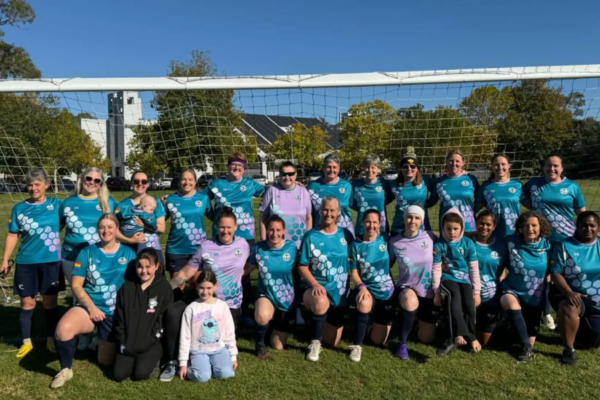
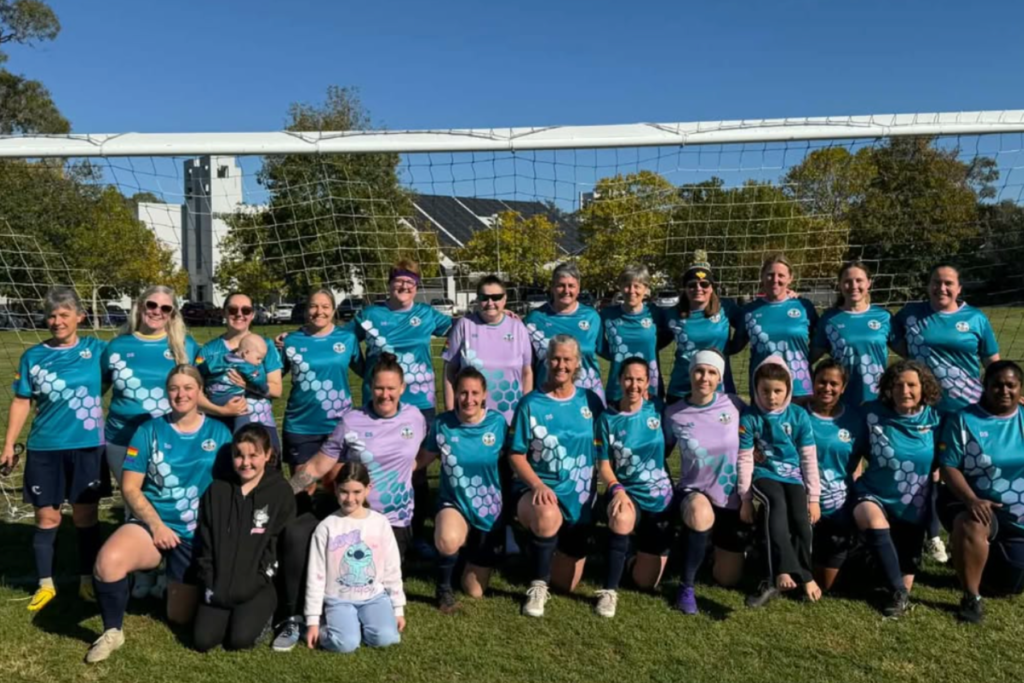
South Canberra Football Club has been named Club Changer of the Month for April, in a recognition that reflects a broader shift across Australian football toward rewarding clubs that are actively dismantling the structural barriers limiting women’s access to the game.

The AFC Women’s Asian Cup has just delivered record crowds and unprecedented visibility for women’s football in Australia, and the Club Changer program is now asking what comes next. Its decision to name South Canberra Football Club as Club Changer of the Month for April signals a clear shift in how the program defines contribution: away from participation numbers alone, and toward the equity frameworks that determine whether women stay in the game once they arrive.

South Canberra FC built that framework from the ground up. Established in 2021, the club set out to give women and female-identifying players a safe, inclusive environment to play football at any level. It runs entirely on volunteers, operates as a not-for-profit, and is governed by an all-female committee with 13 of its 14 coaches identifying as female.


Building the infrastructure of inclusion

In 2026, the club secured grant funding and put it to work immediately. Two coaches are completing their C Licence qualification, and ten coaches, players and community members have undertaken the Foundations of Football course, which directly tackles the cost and accessibility barriers that exclude women out of coaching pathways.

The club also commissioned a female-specific strength and conditioning program with sports physiotherapists ahead of the 2026 season, targeting injury prevention and explicitly supporting players returning after childbirth.

SCFC’s leadership team draws from LGBTIQ+ individuals, First Nations people and veterans, strengthening the club’s connection to the communities it was built to represent.

The Club Changer program is backing clubs that do this work- clubs that treat equity as infrastructure rather than aspiration. At a moment when Australian football is under pressure to turn its biggest-ever surge of women’s interest into something lasting, SCFC’s model offers a clear answer to the question of how.

Football NSW announces 2026 First Nations Scholarships as pathway access program enters new phase

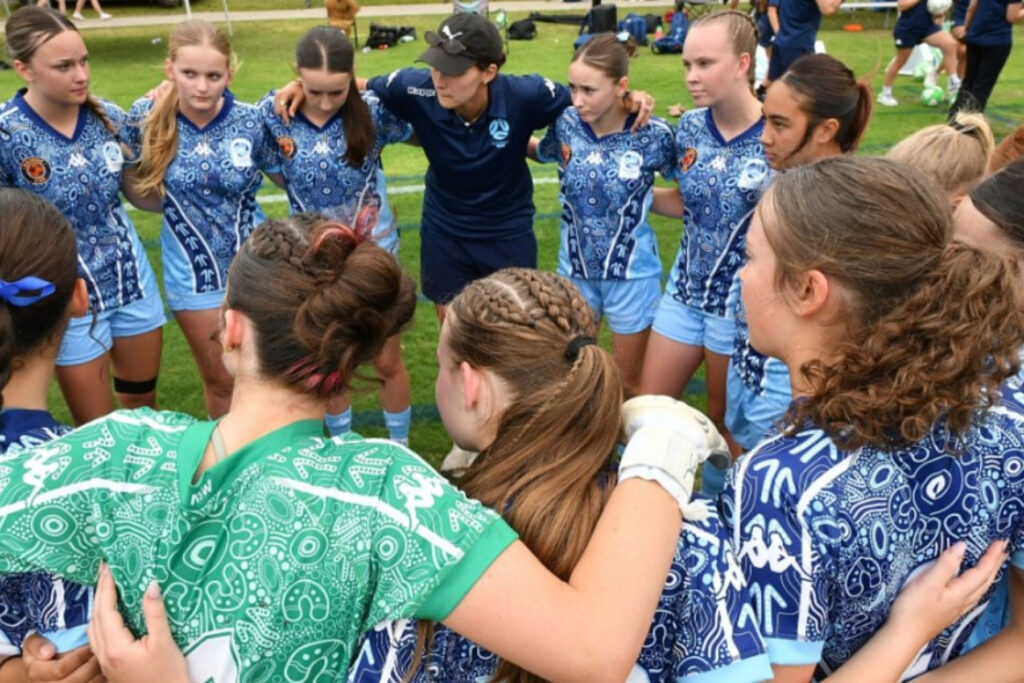
Football NSW has announced the recipients of its 2026 First Nations Scholarships, with ten emerging Aboriginal and Torres Strait Islander players from metropolitan and regional NSW receiving support designed to reduce the financial and structural barriers that have historically limited First Nations participation across the football pathway.

The scholarship program, developed and assessed in collaboration with the Football NSW Indigenous Advisory Group, targets players across both elite and development environments – recognising that talent identification alone is insufficient without the resources to support progression once players are identified.

Co-Chair of the Indigenous Advisory Group Bianca Dufty said the calibre of this year’s recipients reflected the depth of First Nations football talent across the state, and the importance of structured support in converting that talent into long-term participation.

“Their dedication to football and the desire to be role models for younger Aboriginal footballers in their communities is to be celebrated,” Dufty said. “I’m confident we will see some of these talented footballers in the A-League and national teams in the future.”


Beyond the pitch and into the pipeline

The 2026 cohort spans both metropolitan clubs and regional associations, an intentional distribution that acknowledges the particular barriers facing First Nations players outside major population centres, where access to development programs, qualified coaching and pathway competitions is more limited and the cost of participation more prohibitive.

The next phase of the program will introduce First Nations coaching scholarships, extending the initiative’s reach beyond playing pathways and into the coaching and administration pipeline – areas where Indigenous representation remains among the lowest in the game.

The structural logic is clear. Scholarships that reduce financial barriers at the entry point of elite pathways matter most when they are part of a sustained ecosystem of support rather than isolated gestures. Football NSW’s collaboration with the Indigenous Advisory Group provides that continuity, ensuring the program is shaped by the communities it is designed to serve.

Most Popular Topics

Editor Picks

Send this to a friend