
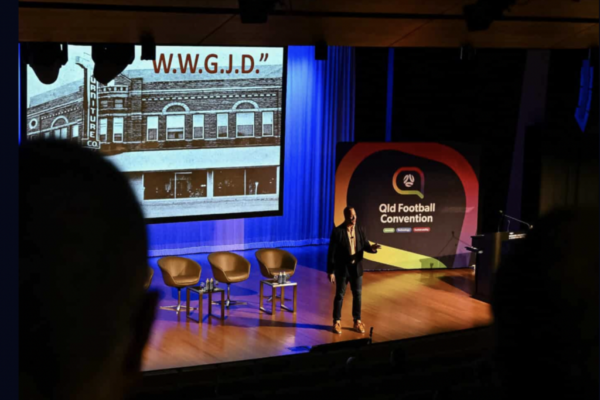

Australian Professional Leagues welcome two new executives

The Australian Professional Leagues (APL) have announced Ant Hearne and Michael Tange as their two new executives.

Ant Hearne joins as Chief Commercial Officer (CCO) of APL, to set up and lead all commercial activities – involving user experience, marketing, content, sponsorships, rights negotiations and other revenue opportunities. He comes across from Foxtel’s streaming division, Streamotion, as CCO of Kayo, BINGE, WatchAFL and WatchNRL which has seen significant growth in recent years. His career in Australia, Asia and the US focuses on senior marketing and commercial roles in telco, digital media, marketing tech and sports entertainment.

“Football represents the biggest growth opportunity in Australian sport – we’ve got twice as many participants as any other game in this country, we’re leaders in women’s sport (with all eyes on the game in the lead up to the 2023 FIFA Women’s World Cup), and key to our future growth is the fact that we have the youngest and most diverse fans of any sport,” Hearne said.

“It’s now time to deliver commercial outcomes that will fuel the sustainable growth of the game. Our teams are playing exciting, fast-paced, uncompromising football in front of the most passionate fans and it’s the APL’s mission is to take that direct-to-consumer in order to unlock the power of the fan and ultimately grow the whole game. It’s going to be an exciting ride.”

Michael Tange joins as Strategy and Digital Director, following 15 years working in global roles with sports, data and technology companies. He will lead the strategy, digital development and media rights for APL. He arrives from Nielsen Sports in New York where he spent a decade working on commercial strategy, broadcast, digital and fan development with leading sporting codes such as the NBA, NFL, MLB, PGA TOUR and Major League Soccer.

APL Commissioner Greg O’Rourke continues to lead the operational side of the business in conjunction with Deputy Commissioner Tracey Scott. She joins APL after six years with Football Australia in various leadership roles, most recently as General Manager (GM) of Leagues. She is also an Appointed Member of FIFA’s Professional Women’s Football taskforce.

Since the unbundling of the four professional leagues from Football Australia on December 31, these are the first official APL appointments.

“With full ownership of the four leagues, we have an ambitious vision for the growth of the game at every level,” Chair of APL Paul Lederer said.

“The new, expanded executive team have been tasked with unleashing the APL’s commercial and entrepreneurial capabilities, and we now have a structure that will enable them to deliver the right outcomes for all of Australian football.”

Previous ArticleNext Article

Inspiring the future of women’s football: The Growing Football Community grant now open

Grassroots football is where the game grows. It is where players find their first team, coaches develop skills, and clubs function as part of local communities. Football Australia’s Growing Football Community Grant is designed to strengthen those foundations, with a particular focus on creating more opportunities for women and girls to play, coach and stay involved in football. The 2026/27 program is now open, and eligible clubs and associations can apply for grants of up to $5,000.

What is the Growing Football Community Grant?

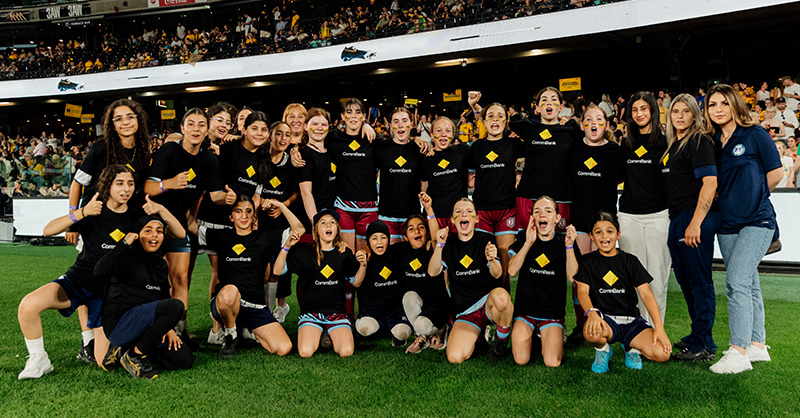
The grant forms part of Football Australia’s Growing Football Fund, which was established with the support of CommBank following the FIFA Women’s World Cup 2023 hosted in Australia. Its main goal is simple: help clubs and associations attract and retain women and girls in football. Funding can support projects that improve the experience of existing players or create new pathways into the game. It can also help clubs develop coaches and build more inclusive, safer environments.

The program is about more than getting people onto the pitch. It aims to create the conditions that encourage participants to keep coming back.

Who does it support?

The program is aimed at eligible football clubs and associations across Australia. For participants, that can mean new opportunities to play, and for coaches, it can mean better access to education and development. For clubs, it can provide practical support to remove barriers that can make participation harder.

Previous grants have supported a wide range of grassroots projects, and these have included ‘come and try’ programs, female-only football activities, subsidised registration fees, improved playing uniforms, coaching education and leadership programs. The program also has a strong regional and community focus. Football Australia says 93 of the 297 clubs supported across the first three grant rounds were from regional and remote communities.

What is the community benefit?

The biggest impact can extend beyond the individual player. A club that creates a stronger pathway for girls can help build participation across an entire community. Better coaching can improve the experience for players. More women in coaching and leadership can create new role models. Removing financial or practical barriers can also make football more accessible.

That can help clubs build stronger connections with families and their local communities. Football Australia’s stated objectives include providing quality experiences for new and returning participants, developing community coaches and helping clubs create inclusive and safe environments that support the retention of women and girls. Recent recipients show how that can work in practice. Broulee Stingrays Soccer Club is using grant funding to support a female coaching pathway in the Eurobodalla region, including subsidised coaching courses for girls from the age of 14.

How can clubs apply and key dates

Applications for the Growing Football Community grants opened on the 8th of September. The deadline is 10 pm AEDT on Tuesday the 20th of October. Clubs and associations should first review the Growing Football Community Grant guidelines and check their eligibility.

Applicants then need to develop their project and budget before completing the online application. The application asks clubs to explain how their project aligns with the program objectives, the barriers they face and how the funding will help address those barriers. Successful applications are scheduled to be announced in December, with funded projects to be delivered during 2027.

For clubs looking to grow women’s and girls’ football, the grant offers an opportunity to turn a local idea into a practical community project. The impact does not stop with one season. Stronger pathways, better coaching and more welcoming clubs can help build a football community where more women and girls can start playing, stay involved and find their place in the game.

Manchester City Charges Put Financial Governance Under Spotlight

Manchester City’s reported guilty verdict on 114 of 115 Premier League financial charges has created a major business and administration challenge for the club. An independent commission reportedly reached its findings after a lengthy hearing into alleged financial-rule breaches between 2009 and 2018 last week.

The Premier League has not confirmed the verdict publicly, while City says the process remains ongoing and is expected to appeal. The next decision could have significant financial consequences.

No punishment has been announced; however, potential sanctions include a points deduction, financial penalties and/or expulsion from the Premier League, all of which would have significant and varied financial impact. The club must continue operating while it awaits the commission’s full decision and any appeal process, which could affect recruitment, player contracts, budgets and long-term investment decisions.

City generates substantial income through broadcasting, commercial partnerships and matchday operations – as of 2026, Manchester City’s revenue sits at $1.56 billion (894 million pounds). A significant change to the club’s Premier League status could therefore affect several revenue streams at once.

Commercial partners will also be watching the next weeks closely, and must assess how any sanction could affect their association with the club. City’s global commercial operation has become an important part of its business model during its period of sustained success. Other Premier League clubs have discussed potential compensation claims linked to the alleged breaches. Any successful claims would create another financial liability for City beyond a league sanction.

City has consistently denied wrongdoing and says it has respected due process, and its expected appeal means the forthcoming sanctions may not represent the final outcome. That leaves the club managing two priorities at once: defending its position through the regulatory process, and protecting its commercial and operational stability.

For the Premier League, the case also tests the strength of its financial regulations. The final sanction, and any appeal that follows, will shape the financial and administrative consequences for Manchester City and could influence how clubs approach financial compliance in the future.

Most Popular Topics

Editor Picks

Send this to a friend