



Chelsea Women select Škoda as Official Car Partner

Chelsea Women and Škoda

Chelsea Women announced a partnership with Škoda UK which sees the two multi-trophy winning brands come together for the first time until the end of the 2024/25 season.

This collaboration will see Škoda branding at both Stamford Bridge and Kingsmeadow grounds whenever Chelsea Women play, while an additional programme of digital activities will have exclusive content appearing across Chelsea Women’s and Škoda UK’s social media channels.

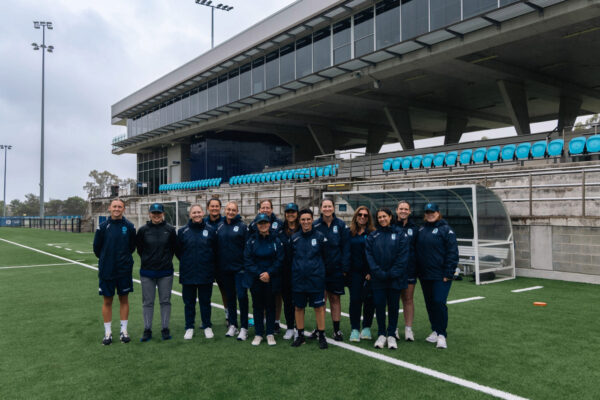
Players and staff will also have access to Škoda’s all-electric Enyaqs at the training ground in Cobham. This includes Academy players and staff who likely need it more than most.

The partnership comes right in the middle of a massive Women’s Super League (WSL) campaign for Chelsea who are fighting for their fifth consecutive league title.

Skoda have active and previous partnerships in the men’s football space, particularly in Spain where they previously had a partnership with La Liga as well as currently sponsoring RCD Espanyol and Valencia CF.

However, this is Skoda’s first venture into women’s football, and it reinforces their messaging and commitment to helping build up women’s sport. The brand has championed professional female cycling for many years through its partnership with major cycling races such as the Tour de France Femmes.

Zarah Al-Kudcy, Chelsea Women’s Commercial Director, expressed her delight at signing with a company that shares similar values.

“Škoda have shown a passion for and knowledge of our women’s team since we first met them. They perfectly align to the values of our team, and I look forward to seeing the partnership come to life as we both continue to push the boundaries of our brands,” Al-Kudcy said in a Chelsea statement.

Kirsten Stagg, head of marketing at Škoda UK, mentioned the company’s desire to enter the women’s football space.

“Škoda are proud to partner with Chelsea Women, an organisation of true pioneers,” Stagg explained in a statement.

“From trailblazing coaches and exceptional players, to the charitable work of the Chelsea Foundation and the exciting attacking game which keeps fans on the edge of their seats, this is a club that embraces possibilities and pushes boundaries.

“At Škoda, we share this philosophy as we aim to be a bold companion to our drivers that gives them the confidence and inspiration to go a little further.

“Like the rest of the nation, I have been personally inspired by the development of women’s football over the past couple of years and I’m excited that Škoda will be able to play its part in further growing the platform with Chelsea Women and encouraging more people to explore what’s possible with their lives.”

The partnership has kicked off at Cobham and it shows an exciting future for Skoda with this investment and commitment to women’s sport. For Chelsea Women, it’s a great opportunity to expand their corporate portfolio and keep growing to become a women’s football powerhouse.

Previous ArticleNext Article

Project ACL: The initiative leading the way on injury research

Launched in 2024, the research project recently welcomed two US-based organisations: the National Women’s Soccer League Players Association (NWSLPA) and National Women’s Soccer League (NWSL).


About Project ACL

Led by FIFPRO, PFA England, Nike and Leeds Beckett University, Project ACL aims to research ACL injuries and understand more about multifactorial risk factors.

After piloting in England’s Women’s Super League (WSL), Project ACL will expand to the NWSL in the US, reflecting the global importance of the project’s research and outcome.

“We are incredibly excited to bring the NWSLPA and NWSL to Project ACL,” said Director of Women’s Football at FIFPRO, Dr. Alex Culvin, via official press release.

“Overall, we believe that player-centricity and collaboration with key stakeholders are central to establishing meaningful change in the soccer ecosystem and that players, competition organisers and stakeholdersaround the world will benefit from Project ACL’s outputs and outcomes.”

Interviews with over 30 players and team surveys across all 12 WSL clubs provided the project’s research team with valuable information about current prevention strategies and available resources.

Furthermore, the project tracks player workload and busy schedule periods during the season through the FIFPRO Player Workload Monitoring tool, therefore gaining insights into the link between scheduling and injury risks.


Looking to the data

Project ACL’s partnerships with the WSL – and now the NWSL – are immensely valuable for the future of player welfare in women’s football.

Although ACL injuries affect both male and female athletes, they are twice as likely to occur in women than men. However, according to the NWSL, as little as 8% of sports science research focuses on female athletes.

In Australia, several CommBank Matildas suffered ACL injuries in recent years: Sam Kerr was sidelined from January 2024 to September 2025, Ellie Carpenter for 8 months after suffering the injury while playing for Olympique Lyonnais, and Holly McNamara came back from three ACL’s aged 15, 18 and 20.

And this is just the tip of the iceberg. The 2025/26 ALW season saw several ACL incidents, including four in just two weeks.


Research, prevent, protect

Injury prevention and research are vital to sport – whether professional or amateur.

But when the numbers are so shocking – and incidents are so common – governing bodies must remember that player welfare comes above all else. Research can inform prevention strategies. Prevention means players can enjoy the game they love.

The work of Project ACL, continuing until 2027, will hopefully protect countless players across women’s football from suffering long-term or recurring injuries.

South Canberra FC Breaks the Mold: Equity-Driven Model Earns ‘Club Changer’ Honour

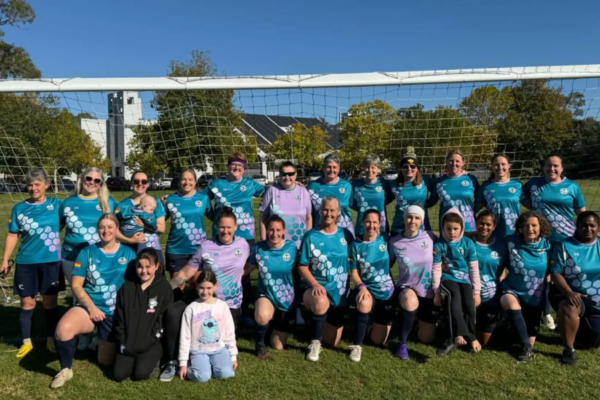
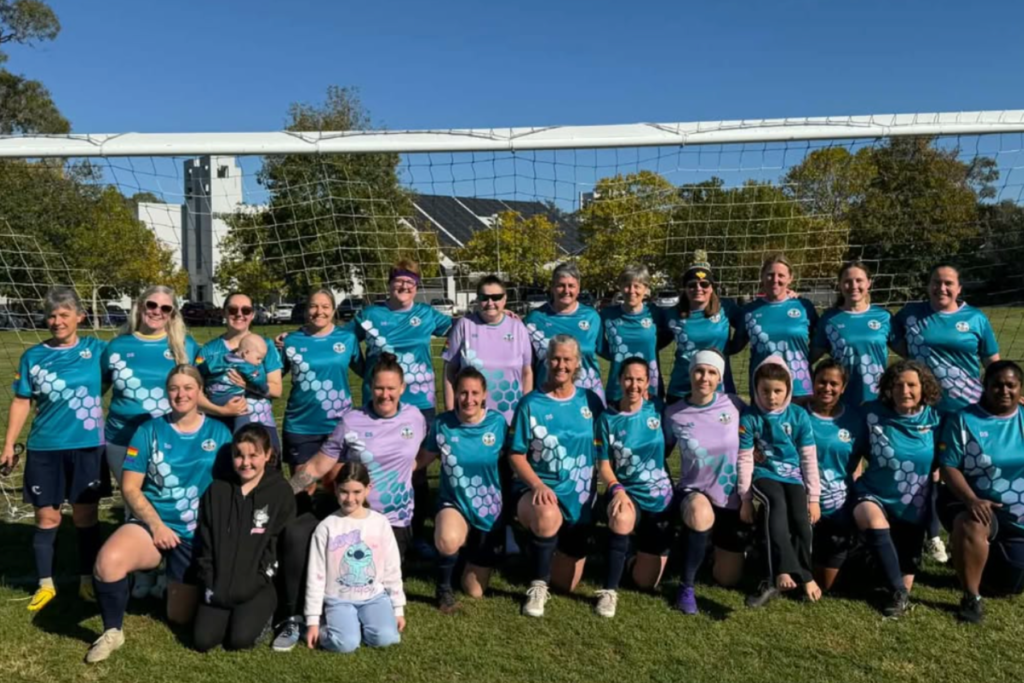
South Canberra Football Club has been named Club Changer of the Month for April, in a recognition that reflects a broader shift across Australian football toward rewarding clubs that are actively dismantling the structural barriers limiting women’s access to the game.

The AFC Women’s Asian Cup has just delivered record crowds and unprecedented visibility for women’s football in Australia, and the Club Changer program is now asking what comes next. Its decision to name South Canberra Football Club as Club Changer of the Month for April signals a clear shift in how the program defines contribution: away from participation numbers alone, and toward the equity frameworks that determine whether women stay in the game once they arrive.

South Canberra FC built that framework from the ground up. Established in 2021, the club set out to give women and female-identifying players a safe, inclusive environment to play football at any level. It runs entirely on volunteers, operates as a not-for-profit, and is governed by an all-female committee with 13 of its 14 coaches identifying as female.


Building the infrastructure of inclusion

In 2026, the club secured grant funding and put it to work immediately. Two coaches are completing their C Licence qualification, and ten coaches, players and community members have undertaken the Foundations of Football course, which directly tackles the cost and accessibility barriers that exclude women out of coaching pathways.

The club also commissioned a female-specific strength and conditioning program with sports physiotherapists ahead of the 2026 season, targeting injury prevention and explicitly supporting players returning after childbirth.

SCFC’s leadership team draws from LGBTIQ+ individuals, First Nations people and veterans, strengthening the club’s connection to the communities it was built to represent.

The Club Changer program is backing clubs that do this work- clubs that treat equity as infrastructure rather than aspiration. At a moment when Australian football is under pressure to turn its biggest-ever surge of women’s interest into something lasting, SCFC’s model offers a clear answer to the question of how.

Most Popular Topics

Editor Picks

Send this to a friend