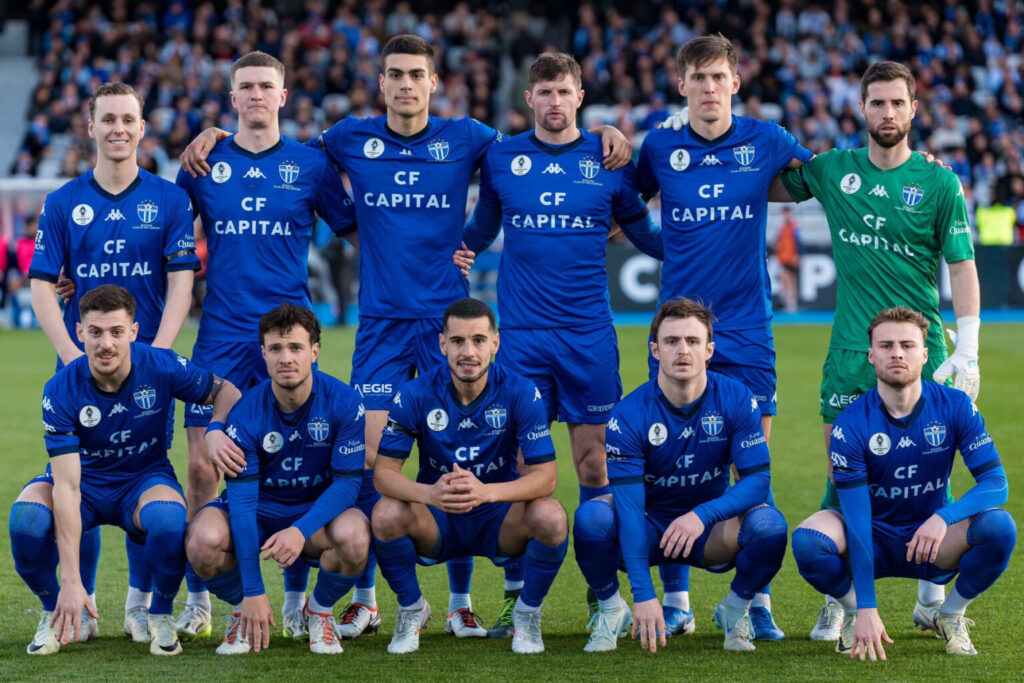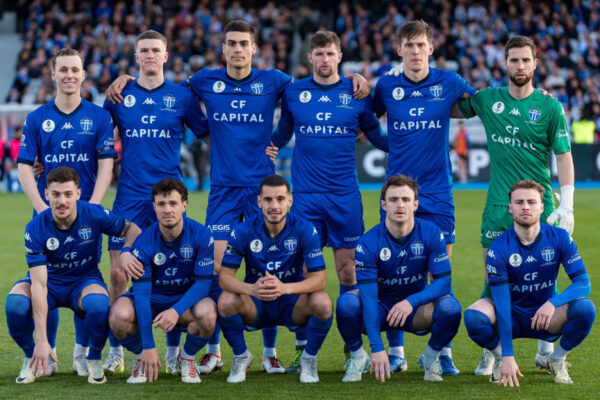



The Eastern Lions achieved promotion to the top division of NPL Victoria for the first time in 2020, but this is the first year they’ve truly been able to experience the realities of it.
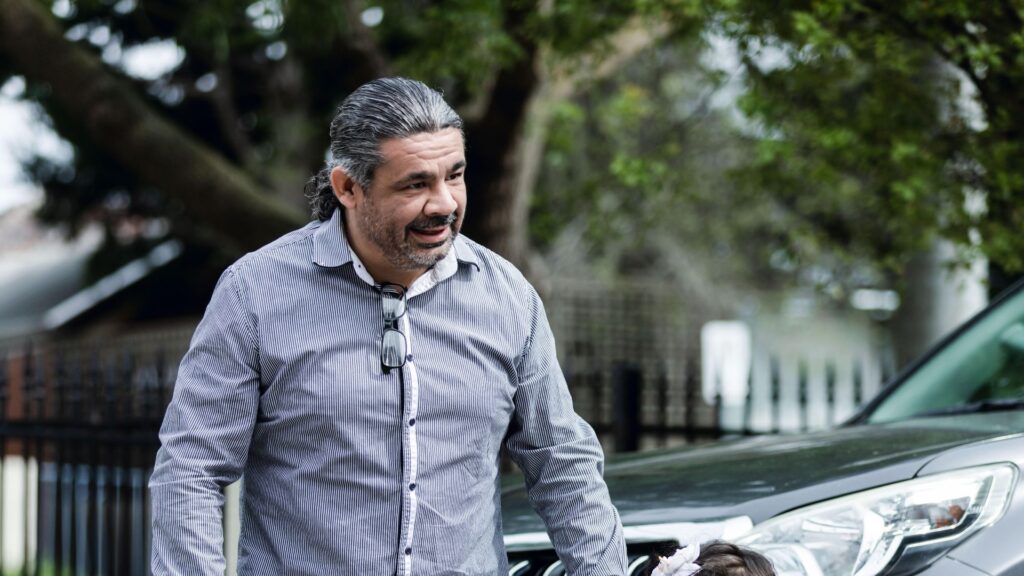
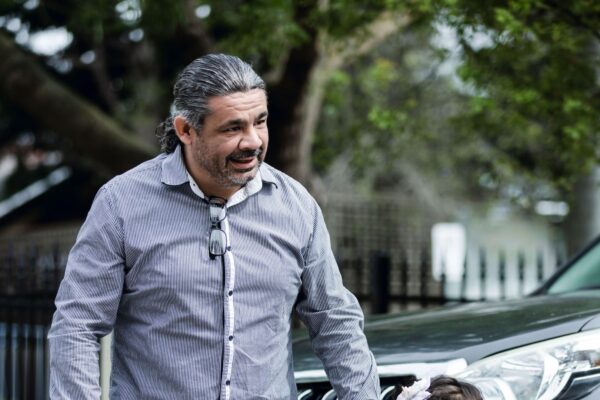
No one has been more at the forefront of that than president Bronson Justus. Having gone from vice-president to being appointed president in February of 2022, he is at the helm trying to build the club to its full potential – in what remains a trying time.
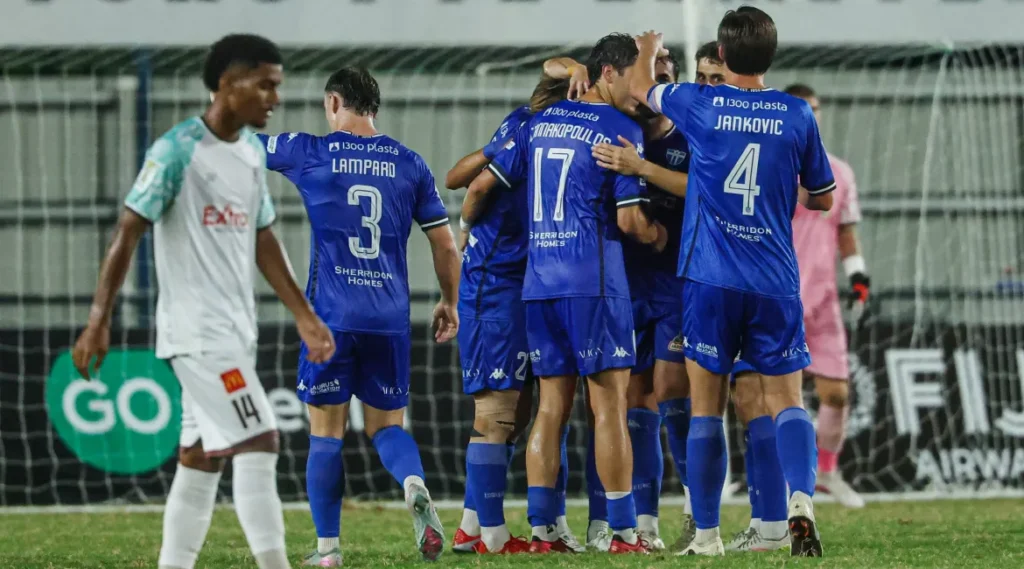
The Lions are still riding high from winning NPL Victoria 2 East in 2019, but they’ve only managed five wins in their top flight career so far.
Soccerscene sat down with Justus to discuss the growing pains that come with such a rapid rise up the footballing pyramid.
What were the initial challenges in being promoted to the NPL for the first time?
Bronson Justus: It’s been a tumultuous couple of years with COVID. In 2019, we finished as NPL2 champions, got promoted for the 2020 season, then a handful of games and the season shut down. Same thing in 2021. This year is probably the first year that we’ve really been able to see basically where we sit in terms of NPL Victoria (NPL1). The top league has been an eye opener.
The teams that have been there for a long time are well established, and they have some really good structures and some absolutely sensational players as well. But it’s been great for our players, because we’ve kept a good core group of the players we had in 2019. It’s certainly been a step up for them. They’ve certainly risen to the challenge which has been good to see.

What did you need to establish as club president coming in this year?
Bronson Justus: The step up from NPL2 to NPL1 is significant. The policies, the processes, the structures, the organisation that the club needs to have to comply with Football Victoria regulations for NPL1 clubs, it is a big step up for clubs. I wasn’t there in those first couple of years, and I’m not 100% sure if the club was ready for how much of an impact that was going to have.
In 2020, we did have a new president come onboard. He started that process of bringing the club up to that high standard, which is expected in NPL1. There was a lot of work to do. Unfortunately he had to resign at the beginning of this year, and I came in as vice last year. This year, the committee basically said that’s the role of the vice – to step up if the president steps down. I was lucky enough to be given the position.
In terms of what I have been looking at, it’s carrying on a lot of the work the previous president started, and also bringing my background in business and governance to the club. That modernisation of our policies and our processes is important, because there’s a big expectation of volunteers to commit more time. If we expect volunteers to commit more time, we need to be a lot clearer as to what the expectation is, of that time and when we need them.
If you go back a few years, it would be a call-out to say ‘could you turn up on Saturday and give us a hand?’ Whereas now, we basically have a list of tasks that need to be done every day. Whether it’s canteen, ground marshalling, ticket sales, getting the media box ready or preparing the rooms for the visiting teams – there is quite a lengthy list of tasks that need to be done. We just need to make sure we’ve got people ready to go for those tasks that need to be done. The modernisation of what we’ve previously done is just to be organised and structured.
What’s been the focus in a business sense?
Bronson Justus: The other thing that I’ve focused on since coming in is sponsorship as well. There’s a significant cost increase in competing in NPL1. Not only from a competition perspective, but also from a requirement of what is expected from NPL games. Increased security at games, medical staff, the level of coaches that you have for your squad. That all adds cost to the organisation.
Sponsorship is very important to that, and bringing in a bit of a corporate focus to our sponsorship. Making sure our sponsors are getting value for money, making sure there’s good opportunities for engagement with our network. Making sure we have a sustainable relationship. We prefer our sponsors to come on for a number of years – we don’t want people coming in and out, we want to build up relationships with people.
All of those things are important to us and something we focus on heavily because we need to maintain those really strong relationships. We’ve got some great sponsors on board. This year and last we’ve had some new sponsors come on board, and it’s about making sure there’s value to the sponsors when they get involved. We are going for that broader corporate sponsorship.
Does being a club that’s only just come up to the top level affect sponsorship?
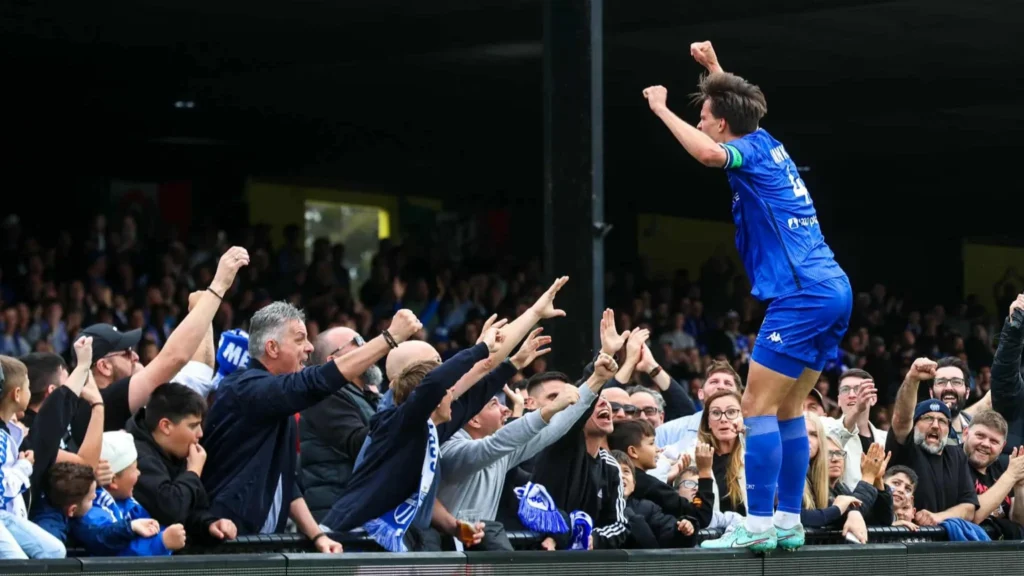
Bronson Justus: There’s obviously much greater exposure in NPL1 with the televising of games. That elite level of football within the state attracts a different type of spectator as well. You’ll have spectators that on game day, a good number of people are not necessarily a supporter of either team, but they’ll come to watch a really good standard of football. It’s the increased eyes that you get at NPL1 level for our sponsors that if they do come on board, we give them the absolute best opportunity to get in front of the most eyes as possible.
What are the challenges facing the NPL across the country in 2022?
Having stability has been a challenge. We’ve noticed in our players – and I’m sure other clubs have had that similar experience – that haven’t come off the back of a full season. The last two seasons have both been interrupted, so the fitness of players have been affected by the COVID interruptions. The cost for clubs and the cost for players themselves can be a bit of a challenge.
In NPL1, there is a lot of cost involved in actually just being able to get a team onto the park in terms of not just physical dollars, but the time commitments and resource commitments that are required.
Everyone is busy, and coming out of COVID, the world is getting back to some form of normality. People are having to work twice as hard and have less time to commit to their hobbies and things like that. That challenge is going to be the same for all clubs across the state.
What were the aims of the Gippsland Cup?
Bronson Justus: The Gippsland Cup wasn’t a money-making exercise. It really was a long-term strategy for the club to build a broader support base. The end result of that will be that we’ll be a bigger club and have a wider audience. Ultimately, we would love to see that result in more members and attendances at games.
It was a partnership born between the club and the Gippsland region, and it’s about taking football to the regional communities that ordinarily wouldn’t get to see that level of football being played. Our initial intention certainly is to have an annual event, and Destination Gippsland and Latrobe City Council have been fantastic in supporting that. But we would also like to be able to play one or two home games during the season up in Morwell or the Gippsland area to build up that supporter base.

Coming back to the FV, they’ve got some fairly strict guidelines regarding the quality of surface and quality of playing surfaces. To organise the Cup was good, but to play games throughout the season, that’s something we’ll have to work closely with the Latrobe Valley Soccer League on. FV needs to ensure that the playing surface isn’t going to pose a risk to players of opposing clubs.
We just need to make sure we work closely with the Soccer League to make sure we have facilities that meet the standard. The Latrobe City Council is keen to have not only football come up to the region, but potentially other sports as well.
Does potential relegation change anything in your growth strategies?
Bronson Justus: Our number one goal is to remain in the top league. We’re extremely confident that we’ll be able to do that. In the unfortunate event that we did end up in that relegation zone, we would continue on the strategy that we have to build out that supporter base and continue to grow the club as we are.
How does social media help the club’s growth?
Bronson Justus: It’s something that we actively work on with our Instagram and Facebook, and we’re very active on that. We’re using that as an outlet for promotion of games, for highlights and player profiles. All of this is important for us to connect with the community. We’d like to broaden that out to platforms like TikTok as well, but we’re not quite there yet.
How are you investing in women’s football?
Bronson Justus: We will field our first female team in 2022 as well. We’ll have a girls under 11s team and that is one of the big focuses for the club – to build out our female participation. We’ve got some big plans to field women’s teams across all of the age groups, and even a senior team if we can build it out that far.
It is a long term strategy for the club, and something that we’re very keen to see happen. It will broaden out the club membership and make sure we have appeal to a diverse group of people, not just on men’s football. Particularly with the Women’s World Cup coming up, it’s something that we want to make sure we ride that wave of euphoria that will come with that.