

Eastern Stand of Coopers Stadium reopens

Adelaide United

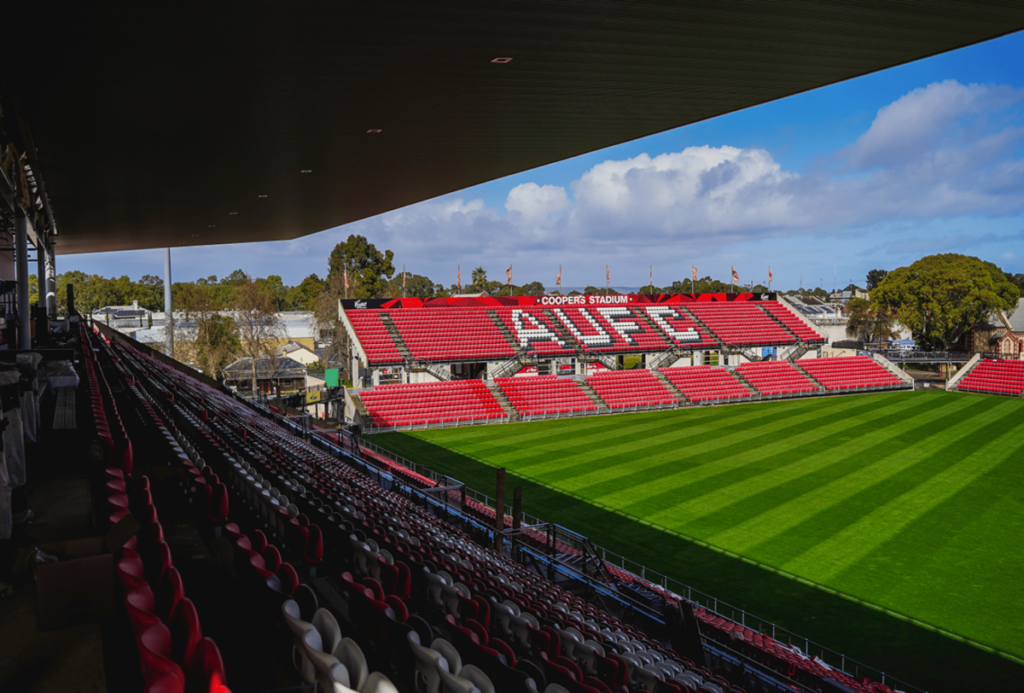
Coopers Stadium, the home of Adelaide United, is set to welcome back its Eastern Stand for the coming 2022/23 A-League Men’s and Women’s seasons.

Having been closed as part of the redevelopment of Coopers Stadium in Hindmarsh for the entirety of the 2021/22 season, the Eastern Stand will officially be usable for the 2022/2023 season.

The news will no doubt be exciting for Reds fans as the newly reopened part of the stadium provides some of the most sought-after seating.

The arena in Hindmarsh was part of Australia and New Zealand bid to host FIFA Women’s World Cup in 2023. In order to prepare for the tournament, Coopers Stadium embarked on a $53 million redevelopment in 2021, which included installing new stadium floodlights, a roof on the east stand, upgrades to the stadium’s changing rooms and improvements to media facilities, technology aspects and spectator’s comfort.

The first phase of redevelopment has just been completed with the opening of the new East Stand, with the most noticeable change being the addition of a new roof. The design of the canopy is similar to that of the West Stand, along with the installation of the roofing came 82 LED floodlights, which improve the overall experience for fans on match day, as well as the quality of the entire broadcast. Additional loudspeakers have also been included to improve the sound quality.

The new corporate area on level 4 provides a new hospitality space for business clients. To improve the customers’ experience, the facility also includes bar areas and an industrial kitchen space. The floor area with its floor to ceiling windows provides a direct view of the pitch, as well as an overview of the Adelaide Hills to the east. There are also outdoor terraces on the north and south sides.

The venue was equipped with new gates and turnstiles, which will speed up the entry process and improve the spectator access with less congestion and shorter waiting times. Entry for people with disabilities will improve after the installation of a lift.

As part of the redevelopment, more toilets have been provided, so fans will have fewer queues. All food and beverage outlets have been upgraded to speed up customer service and reduce excessive queues.

Adelaide United’s Isuzu Ute A-League Men’s side will have to wait until Matchday 4 to utilise the new Eastern Stand in their first home match against the Perth Glory.
Previous ArticleNext Article

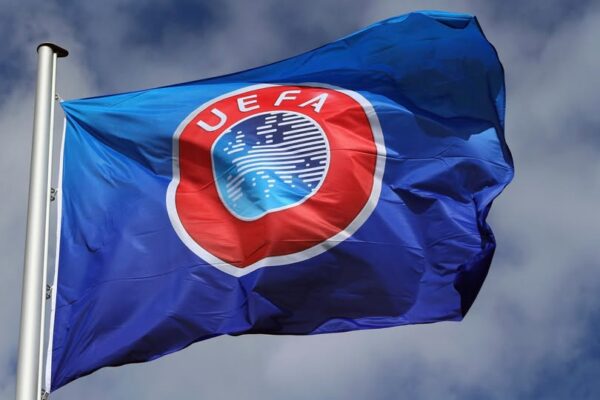
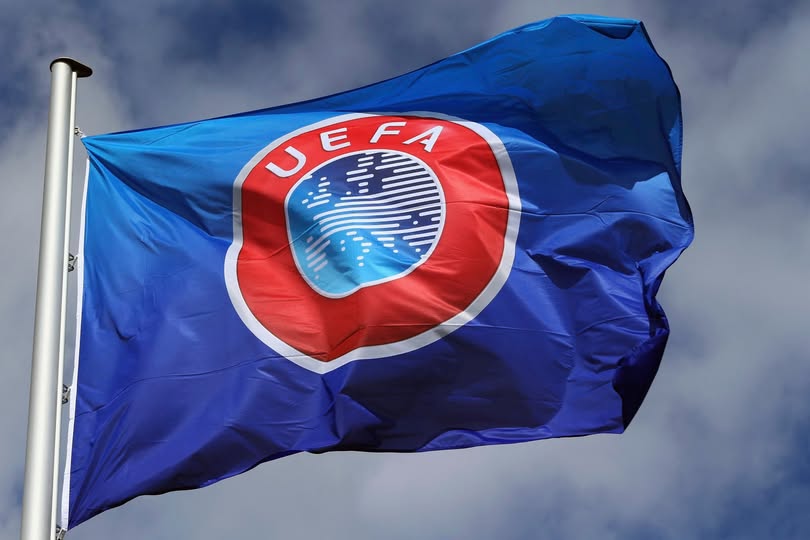
UEFA set to end FIFA boycott threat after World Cup investment plan collapse

UEFA is set to withdraw its threat to boycott FIFA competitions after receiving assurances that a controversial private investment plan will not return. The dispute originally centred on FIFA President Gianni Infantino’s proposal to bring private investors into the commercial rights of the World Cup and other FIFA tournaments.

UEFA strongly opposed the plan. European football leaders argued that major international competitions should not become investment products. FIFA later withdrew the proposal. However, UEFA continued to demand guarantees that it would not be revived.

Those assurances now appear to have eased the immediate conflict.

FIFA’s money move

The dispute was about more than football governance. It raised a major question about who controls football’s most valuable commercial assets.

Infantino’s proposal involved creating a new commercial structure that could have attracted billions of dollars from private investors. Reports put the proposed business at around $28 billion ($20 billion USD), with investors set to take a stake in the new entity. For FIFA, private capital could have created new opportunities to expand commercial revenue and fund football development. For investors, World Cup-related rights would offer exposure to one of the world’s most valuable sporting properties.

But UEFA’s opposition highlighted the risks. Selling part of the commercial upside could reduce FIFA’s control over future revenue and create pressure to prioritise financial returns.

Why it matters for football

The outcome could shape how football’s biggest competitions are financed in the future. FIFA still controls enormous global media, sponsorship and commercial assets. Any move to bring outside investors into those assets could change the balance of power across the sport.

The failed proposal also exposed tensions between FIFA and major football confederations. UEFA, CONCACAF and the AFC all criticised the original plan.

For clubs, broadcasters and sponsors, stability matters. A prolonged dispute between FIFA and UEFA could create uncertainty around competition. The FIFA Under 20 Women’s World Cup kicks off on September 5th. Not only was there debate over whether European nations would participate, but the tournament is being held in the European nation of Poland.

With the boycott officially over, the disruption to the tournament has been alleviated, but wider tensions still remain.

The conflict is not over

UEFA may now drop its boycott threat, but its discontent with Infantino’s leadership remains.

UEFA leaders continue to push for a change at the top of FIFA. European football figures have also called for greater transparency and stronger consultation with football stakeholders. So whilst the immediate business threat has eased, the bigger question remains. Who should control football’s future commercial growth and who could contest Infantino in March at the next presidential election?

We should be celebrating Australia’s football exports

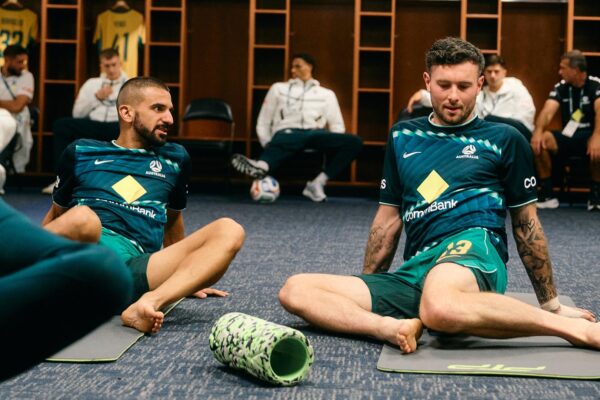
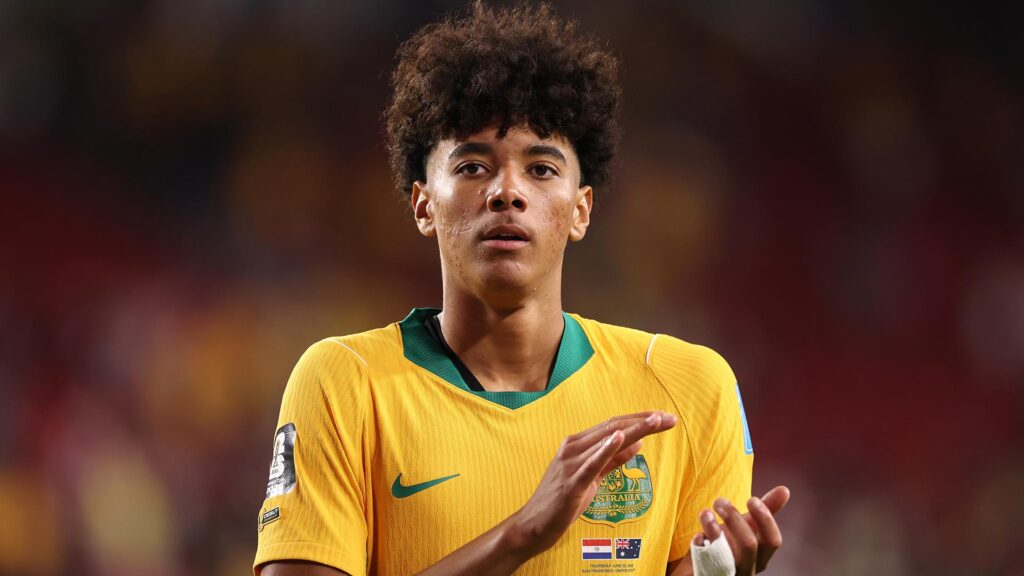
When Nestory Irankunda, Lucas Herrington and Alessandro Circati all completed high-profile moves, the headlines understandably focused on the massive transfer fees

Record deals, European giants, Australian talent making noise overseas.

But beneath the excitement lies a much bigger story.

For years, Australian football measured success by the players it could retain and attract. Today, success is increasingly being measured by the players it develops and sells.

That shouldn’t be looked at as a weakness of the domestic game.

It’s one of the A-League’s greatest strengths.

Changing landscape

The reality is, Australian clubs will continue to struggle to compete financially with Europe’s elite.

Trying to retain every emerging star was always going to be an impossible task.

Instead, clubs are embracing a model that has proven to be successful in countries across Europe and in leagues like the MLS in the United States.

Develop talented young players, provide them with first-team opportunities and a platform to showcase their talent.

Last year the A-League ranked in the top five for percentage of minutes by players aged 21 or younger across 55 leagues around the world.

These three recent transfers are not an isolated story, they are part of a broader trend.

European clubs are watching Australian football as closely as they ever have. The talent is there.

The World Cup effect

The Socceroos’ performance on the international stage have played a significant role in changing perceptions.

Australia is no longer viewed simply as a physical football nation. Increasingly, Australia is producing technically capable players who can adapt to the demands of Europe’s top leagues.

This exposure has provided players with a stronger opportunity to impress and demonstrate their ability.

The result is a transfer market where Australian players are genuine investments and viewed as integral pieces to a club’s future.

More than transfer fees

The financial benefit of player sales is obvious.

Transfer revenue provides clubs with opportunities to reinvest in academies, facilities, coaching and football operations.

But the impact extends much further.

Every Australian success story abroad raises the profile and trust of the domestic development system.

It encourages and gives European clubs greater confidence to scout Australian football more regularly and more intently.

It creates stronger relationships between local clubs and overseas markets and perhaps most importantly, it gives the next generation a clear pathway to elite football.

The next challenge

Evidently, producing talented players is not Australia’s most pressing challenge

Producing them consistently will be the real measure of how Australian football has progressed.

That requires continued investment in academies, coaching, facilities and national competitions.

Nestory Irankunda’s transfer to Sporting CP will reportedly fetch his junior club Adelaide Croatia Raiders approximately $220,000 under Fifa’s solidarity mechanism.

Fees like this are a reminder of the importance of well-developed pathways and a clear indication of how valuable strong investment in grassroots football can be.

Opportunity, not loss

Whenever another young Australian leaves for Europe, there is often discussion about what the A-League has lost.

Perhaps the better question is what Australian football has gained.

Every major transfer signals growing confidence in the country’s development pathway.

Every overseas success makes it easier for the next player to follow.

While it would be incredible to watch Nestory Irankunda play in the A-League every week, we should feel proud watching him play in the UEFA Champions League this year.

His journey is a reflection of the A-League’s success in giving young Australian footballers the opportunity and platform to reach that level.

Australia is unlikely to ever compete with Europe’s biggest leagues for salaries and prestige.

But it doesn’t need to.

If the game continues investing in youth development and embraces its position as one of the region’s leading producers of football talent, exporting player’s won’t be an indication of decline.

It will be a platform for fans to watch the next generation of world-class Socceroos playing right here on our own shores.


Most Popular Topics

Editor Picks

Send this to a friend