

Football Queensland maintains its commitment to coaching

Football Queensland are thoroughly investing in creating new opportunities with the continuation of coaching courses around the state.

There has already been over 100 community and advanced courses in 2020, featuring more than 1,500 participants. Despite COVID-19 restrictions delaying these courses for three months, the pandemic has not affected Football Queensland’s Strategic Plan target to reach 8.820 registered coaches by 2023.

On August 2, The Skill Training Certificate held at Mitchelton FC was the 100th coaching-related course or workshop held this year – the 34th since the Queensland Government eased their restrictions on June 1.

Since they hit the century mark, Football Queensland has gone on to deliver another 14 coaching courses and workshops – bringing the total up to 114 as of August 11.

“Strengthening coach development has been a major focus since we released the Strategic Plan and the number of courses on offer are ramping up now that restrictions are easing around the state,” Football Queensland CEO Robert Cavallucci said.

“Through FQ’s statewide Football 2020+ consultations, we recognise that regional areas in particular need coaching resources and support and we’re pleased to have so far conducted 55 courses outside Brisbane in spite of the challenges faced in 2020, with more to be held in coming months.

“That figure encapsulates the 15 MiniRoos, Skill Training and Game Training Certificate courses that have been held in the Football Queensland North zone.

“It also includes the FFA/AFC C Licence course that began in Mackay in February. FQ will drive improvements in the delivery of raw coaching numbers, but we want high standards to be part of that as well. Getting more advanced courses into regional areas makes a huge difference.

“Our Club Development Unit team members are working hard to deliver quality development opportunities and we look forward to creating more education opportunities as the year progresses.”

Football Queensland has already scheduled a variety of coaching courses and workshops, planned to take place in the coming days, weeks and months.

For details about each upcoming course around Queensland and to register, you can find it here.

Previous ArticleNext Article

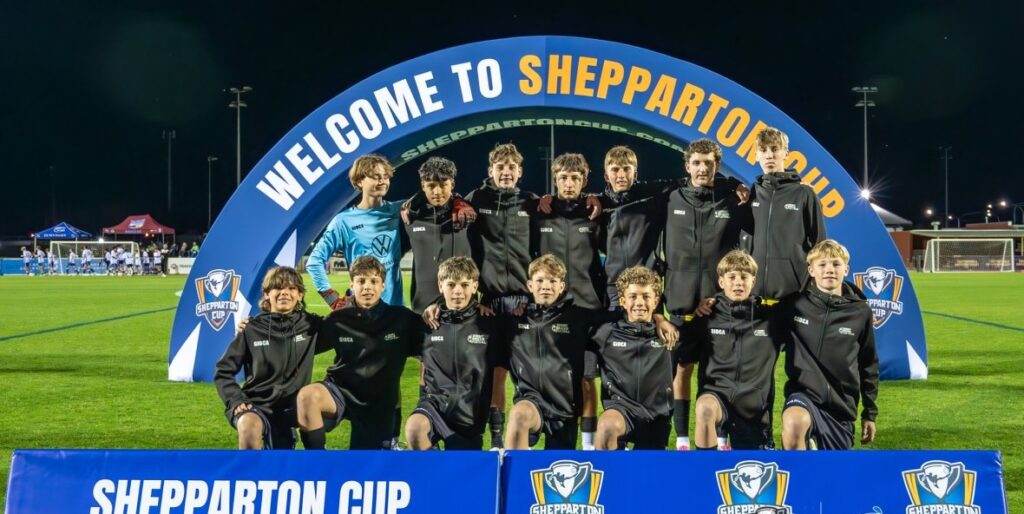
Shepparton Cup – Victoria’s biggest junior football tournament – set for 2026 edition

Victoria’s largest junior football tournament is set to kick off in style as the Shepparton Cup returns for 2026. With age groups from under-sevens through to under-17s, the Shepparton Cup welcomes players of all genders and abilities as the perfect way to end the 2026 club season.

The tournament kicks off on the 23rd of October with an Olympic-style opening ceremony. The 2025 edition saw 385 teams and 4,600 players take to the pitch across both Liga and Copa Divisions. The Liga Division is for grassroots teams of all abilities who want a fun competitive experience; the Liga Division is for NPL and state league teams who will compete in a competitive carnival.

Rolando Navas, Managing Director of Sports Group Melbourne, says the tournament is not only beneficial for young players but also for the community of Shepparton.

“The Shepparton Cup is a great opportunity for families and the wider Shepparton community to embrace the regional community and provide a platform for young players to participate and experience a competitive and fun three day festival of football.”

The 2026 Shepparton Cup will be held from 23rd to 25th October 2026 at Shepparton Sports City. For more information about the Shepparton Cup, click the link here.

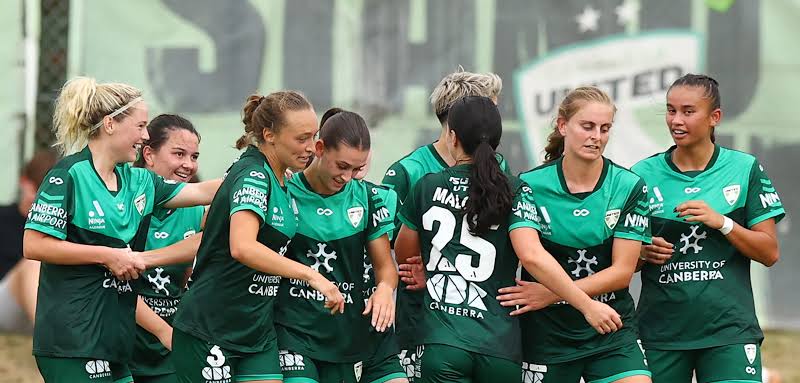
Australian Sports Group reveals ambitious blueprint for Canberra United

New Canberra United owners, Australian Sports Group, have outlined an ambitious investment blueprint for the future of the club.

The plans centre around strengthening the club’s foundations, establishing elite academy pathways, and the introduction of an A-League Men’s team. More broadly, it aims to create a stronger football ecosystem that connects players, clubs and communities across the Australian Capital Territory.

A key pillar of the strategy is the development of an elite academy. The proposed pathways will create opportunities for emerging talent to progress towards professional football, strengthening the connection between grassroots participation and the elite game. The academy would form an important foundation for the proposed A-League Men’s team. ASG are targeting an entry into the Men’s competition from 2028/29, pending required process.

The introduction of a men’s team would expand the club’s professional offering and create additional opportunities for players, coaches and football staff. It would also give local talent a clearer pathway towards senior football without having to leave the region.

Infrastructure investment is another central component of the blueprint. The group plans to improve football facilities and secure a long-term home for the club. These developments would support the women’s program while laying the groundwork for future expansion.

The strategy also prioritises stronger engagement across the ACT football community. The ownership group plans to work with local stakeholders and government to align the club’s growth with broader priorities for sport and community development.

The immediate focus remains on stabilising the women’s program and building the structures needed for long-term success. This approach provides a foundation for the club to expand its operations while maintaining its existing identity and community connections.

The investment blueprint signals a broader ambition for Canberra United. By combining elite player development, improved infrastructure and the potential introduction of a men’s team, the group aims to establish a sustainable professional football model for the capital. The vision positions Canberra United as a platform for growth across the region, with a pathway to connect grassroots participation, academy development and professional competition.

Most Popular Topics

Editor Picks

Send this to a friend