

Football Victoria and Queensland have stated they are planning returns to action as early as late June or early July.
State competitions across the country have been postponed for what seems like an eternity now, due to the ongoing COVID-19 pandemic.
However, with the severity of the virus seemingly lowering, plus the return of elite competitions such as the Korean K-League and the German Bundesliga, FV and FQ are hopeful of returning soon as well.
This in spite of several clubs opposing these new plans due to concerns regarding the potential for their clubs to grow during these times. More on that soon.
As a result of the latest easing of COVID-19 restrictions, Football Victoria has released target start dates for the proposed resumption of play: https://t.co/qwaUsSA0fA#LiveLoveFootball pic.twitter.com/DhK5WOtByO
— Football Victoria (@footballvic) May 19, 2020
In a press release on Tuesday, Football Victoria stated that teams could resume competition as early as June 28.
The full press release can be found here:
*START*
As a result of the Victorian Government’s decision to ease its conditions of Stage 3 restrictions relating to the Coronavirus (COVID-19) pandemic, Football Victoria (FV) is now in the process of finalising its Return to Play strategy.
Already, Government decisions have allowed football clubs to resume training in groups of 10 or less, and we expect that number to be increased in the following weeks, provided there are no major future outbreaks of the Coronavirus.
FV is committed to taking a cautious and sensible approach with regard to the safety of all participants in our sport, be they players, coaches, staff or fans.
However, we also understand there is a pressing need for clarity regarding when competitions are expected to resume.
FV has been engaged in ongoing discussions with FFA, State and Federal Governments (including Sport and Recreation Victoria (SRV)) and with clubs at all levels to establish a suitable time to Return to Play. This has involved the development of a number of scenarios (including the one below) which are still being finalised.
It is important to note that for some clubs, re-starting will be a relatively simple measure, while others have a large number of issues to consider before they can resume. FV’s goal is to get everyone playing again as soon as it is safe to do so.
As a result of the latest easing of restrictions, Football Victoria is targeting the following start dates for the proposed resumption of play:
-
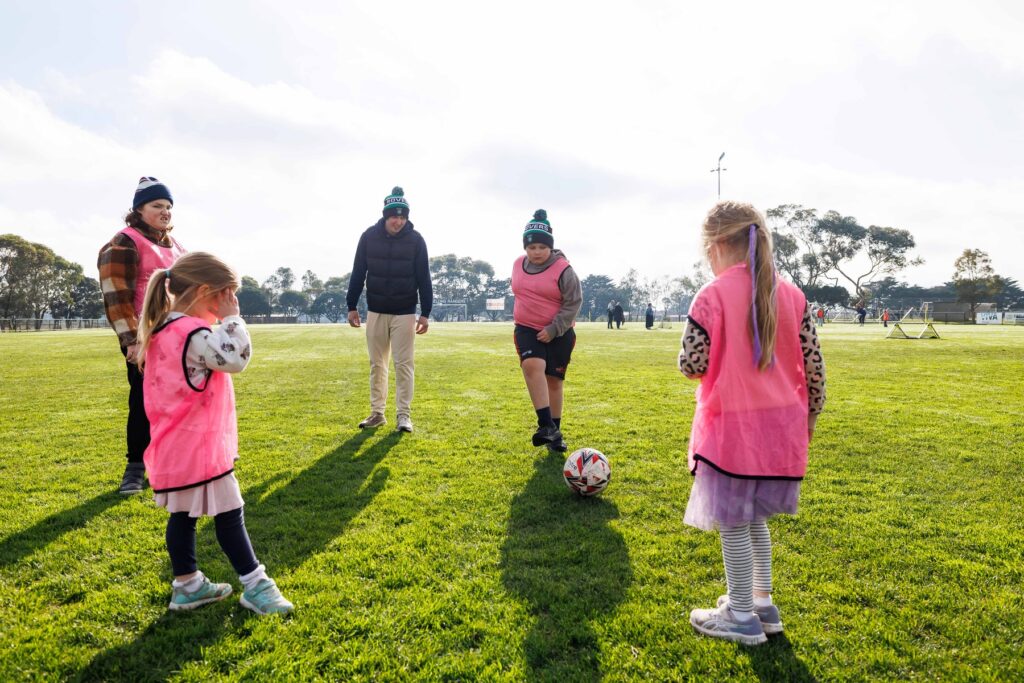
For our Community Clubs (Seniors & Juniors), the proposed resumption date is June 28, 2020.
-
For our NPL Junior Clubs, the proposed resumption date is June 20, 2020.
-
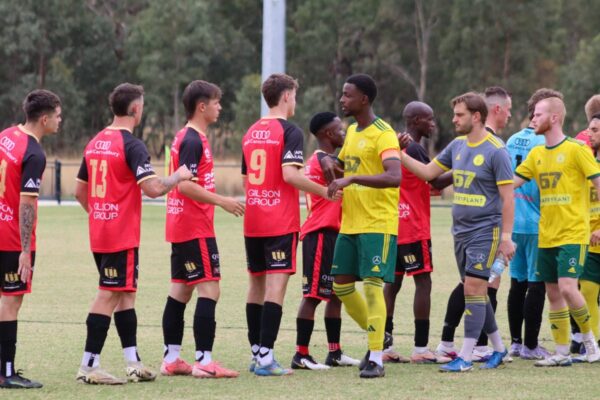
For our NPL Senior clubs, we are hopeful of resuming play in early July. This continues to be worked through with the clubs as we understand the added complexities of re-starting professional and semi-professional clubs.
Of course, these dates are our target dates only and are subject to the further advice of the Federal and State Chief Health Officers – they may be revised should the Victorian Government and SRV advise new dates as we move through the announced stages of the resumption of sport.
Our decision to go public with these dates is indicative of our commitment to ensure that competitive football at all levels returns as soon as possible.
Football Victoria will continue to keep the football community informed and updated in the coming weeks with regard to any developments, especially in regard to the resumption of increased training numbers and, ultimately, the return of competition play.
Whilst we are delighted to see the manner in which our clubs have adjusted to the new realities of modified training and limited social contact, we remind our entire football community that any breaches of the existing social distancing rules may compromise our ability to resume football.
*ENDS*
Whilst Victorian teams can expect an earlier return to on-field fixtures, teams in Queensland will be back a little earlier, albeit on the training track.
In a statement released to social media on Thursday, FQ announced that teams can return to full training on June 12 should the current trend of COVID-19 continue.
The countdown to June 12 is on! ⏰⚽
Follow the Return to Football roadmap to keep you and your team-mates safe.
Check out our club resources and the Return to Training guidelines here 👉 https://t.co/bWL7PY0HXu pic.twitter.com/CcXoskNGK9
— FootballQLD (@FootballQLD) May 20, 2020
Their full statement can be found below:
*START*
Football Queensland has developed Return to Training guidelines and resources for clubs ahead of the recommencement of football activity from June 12, 2020.
Please note all sanctioned football activity across the state will remain suspended until June 12 in line with Queensland Government guidelines.
Developed in consultation with medical authorities, Football Queensland’s Return to Training guidelines and resources align with the Queensland Government’s Return to Play Guide.
These guidelines have been developed to support Queensland clubs, to ensure they are prepared to welcome participants back into a safe environment once training sessions can resume from June 12.
It is essential that all clubs review and implement the measures outlined in the Return to Training guidelines before returning to training. All members of the football community must also ensure they follow the conditions outlined in the Return to Training guidelines.
At each training session, an accurate record of all attendees (including parents/carers) for the purposes of contact tracing must be kept, including full name, FFA number, phone number, date and time of attendance and confirmation whether they have downloaded the COVIDSafe app. You can find a link to download the Record of Attendance template below.
Below you can also find downloadable signage that can be printed for display at your club during training sessions.
The Return to Training guidelines will be amended in accordance with any future government directives.
*ENDS*
It is exciting to see that the state federations are fighting hard to get teams back on the field and that, in these extremely stressful times, plans are being laid.
Some may say this is still too early, given that there are still new cases of COVID-19 being reported nationwide everyday. This news comes in spite of recent reports from some top clubs in Victoria’s NPL competition that if the game goes ahead as per these guidelines, they will be significantly hampered.
All clubs at the community level are almost solely dependant on matchdays for their success, whether that’s earning success on the field, financially or otherwise.
Put simply, more clubs will end up like some of the state league Australian rules clubs, which include the Port Adelaide Magpies in the SANFL and the Northern Blues (formerly the Northern Bullants) in the VFL.
However, it appears that in the eyes of FV and FQ, nothing is more important than getting the players back out on the field, ready to go for the first set of fixtures.
Like what you see? Subscribe to our newsletter to receive more news just like this delivered to your inbox every week!
Furthermore, follow us on Twitter @Soccersceneau and get involved in the conversation!