

Football Victoria details $1 million fee relief and refund proposals

Football Victoria have confirmed scheduled fee relief and refund proposals were sent to clubs on Thursday.

Fee relief and refund proposals that have been sent out to date include approximately $1 million in reductions, with over $600,000 for community competitions.

“Relief packages across all tiers of football have been funded by the foregoing of registration and participation fees that would have otherwise been due payable to FV for participation in 2020 competitions,” FV said.

“In determining the portfolio of these packages, FV has sought feedback from football stakeholders, including players, parents, clubs and associations.

“The packages are aimed at supporting the safe return to football at all levels and ensuring the viability of our 355 clubs and the game in Victoria more broadly.”

In a statement on Thursday, in regards to NPL clubs, Football Victoria said: “All NPL clubs received the initial proposal based on self-funding from within NPL revenues, without cross-subsidisation from other levels of football. It is noted this tier of football is impacted more than any other due to the current restrictions on crowds and further, the offer will cease if/when the State Government enables gatherings of more than 300 people.”

The governing body also stated there will be a 20% reduction on team entry and registration fees for those competing in senior state leagues. Senior women’s sides at a community level will have their team entry fees reduced by 100%, as well as a 50% reduction in registration fees.

Its position on junior and other community competitions such as the Men’s Metropolitan and Masters leagues, was still under review.

Football Victoria President Kimon Taliadoros claimed: “We understand that this has been a very challenging time for our community and would like to recognise the extraordinary efforts of our club officials and volunteers. We hope that these proposals assist clubs in getting back to playing our game.”
Previous ArticleNext Article

Adelaide United renews StudyAdelaide partnership for Asian campaign

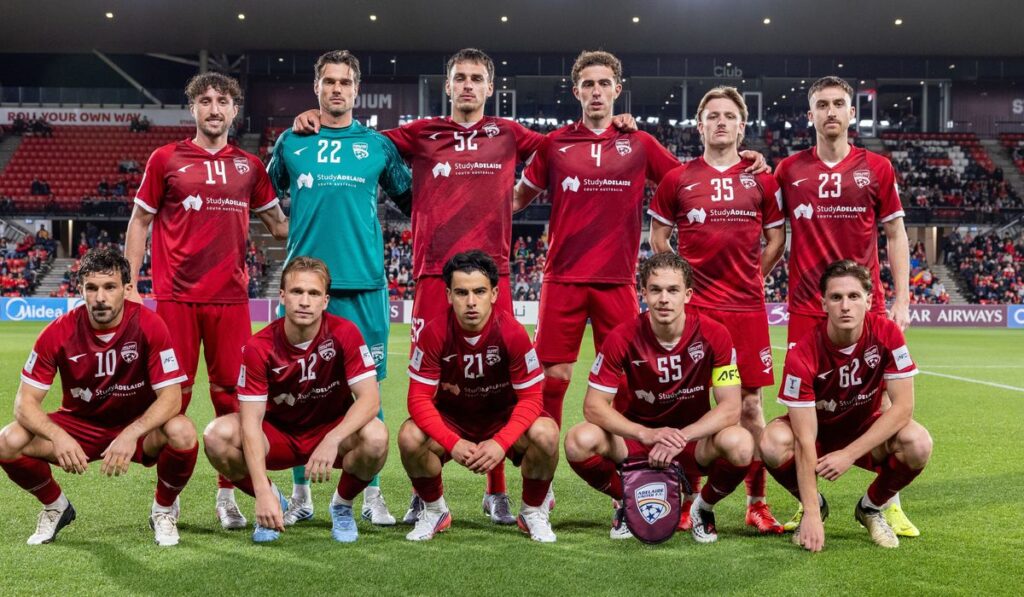
Adelaide United has brought back a familiar commercial partner for its return to continental competition, with StudyAdelaide signing on as front-of-shirt sponsor for the club’s 2026/27 AFC Champions League Two campaign.

The partnership reconnects two South Australian organisations after StudyAdelaide previously featured on Adelaide United’s shirt during their 2010 AFC Champions League campaign.

Adelaide commenced their six-match group-stage campaign on Thursday at Hindmarsh, defeating Hong Kong’s Tai Po 3-0.

For StudyAdelaide, the value of the partnership extends beyond traditional football sponsorship. The organisation, a partnership between the South Australian Government and more than 50 education institutions, is using Adelaide United’s Asian competition to promote South Australia as an international study destination.

The club’s continental schedule provides exposure in several key Asian markets, with Adelaide travelling to face BG Pathum United in Thailand and Lion City Sailors in Singapore during the group stage.

StudyAdelaide chief executive Jane Johnston said the partnership would provide a great opportunity to connect with young people across Asia.

“Having StudyAdelaide featured throughout this international competition is a unique platform to connect with young people across Asia and highlight the many reasons South Australia is their best option to study, live and build a career,” Johnston said.

The deal illustrates how football’s international competitions can provide commercial value beyond traditional brand exposure, particularly for organisations looking to promote to a specific or new region.

The Reds’ ACL Two campaign continues against BG Pathum United in Thailand on October 15.

Arncliffe Aurora’s Riverine Park investment creates a platform for growth

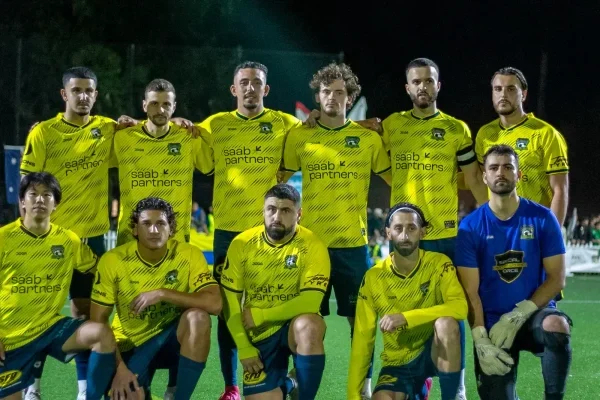
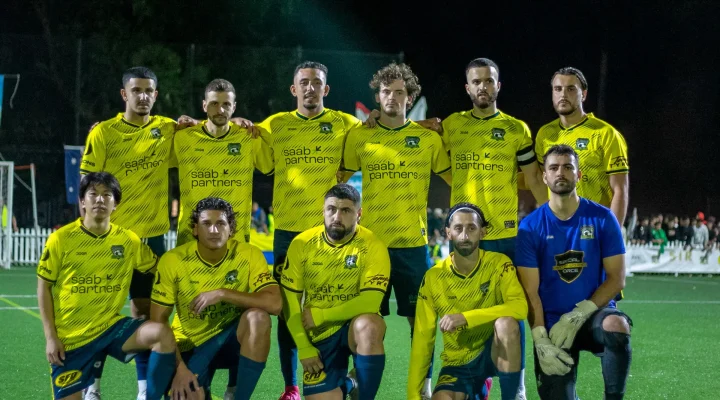
Arncliffe Aurora Football Club has started a new chapter with the launch of Riverine Park, creating a larger platform for football, community engagement and long-term growth in Sydney’s St George region. More than 2,500 people attended the community opening on 8 August, marking the club’s first matches at its new home and showcasing a significant upgrade in its operating capacity.

Riverine Park provides two full-size natural turf football fields, modern player and community amenities, and a new clubhouse. The additional capacity responds to strong growth in Arncliffe Aurora’s football programs, particularly at junior level. The club has also highlighted a $2.5 million investment in facility upgrades. Together with its existing Arncliffe Park base, Riverine Park gives Aurora two homes and a stronger physical platform for its football operations.

More capacity allows the club to accommodate more teams, players and programs, while updated facilities can support stronger member retention and recruitment. They create more opportunities for coaching, development programs, events and community activities. The new site can also strengthen the club’s commercial proposition; a modern facility gives sponsors greater visibility and provides more opportunities to activate partnerships around football and community events. It can also help the club build relationships with schools, community organisations and football bodies. That matters as grassroots clubs increasingly operate as community hubs rather than simply sporting organisations.

Riverine Park also creates opportunities for the wider football ecosystem. Football St George has identified the facility as a platform to grow participation and provide opportunities for players of different ages, abilities and backgrounds. Bayside Council’s project includes upgraded change rooms, toilets, canteen facilities, lighting, seating and solar panels, adding further functionality to the precinct.

For Arncliffe Aurora, the investment is therefore about more than adding fields. It creates infrastructure that can support participation, player development, community programs and commercial activity over the long term. The challenge now shifts from construction to utilisation. The club must maximise the new capacity, maintain the assets and convert greater participation into a sustainable operating model to benefit the community long-term.

Most Popular Topics

Editor Picks

Send this to a friend