Soccerscene the only online publication dedicated to the Australian and international football industry. It serves as a practical guide for those involved in the business of running a football club and bringing readers up-to-date research and development across all football matters providing insights, discussion and information related to topics that matter.
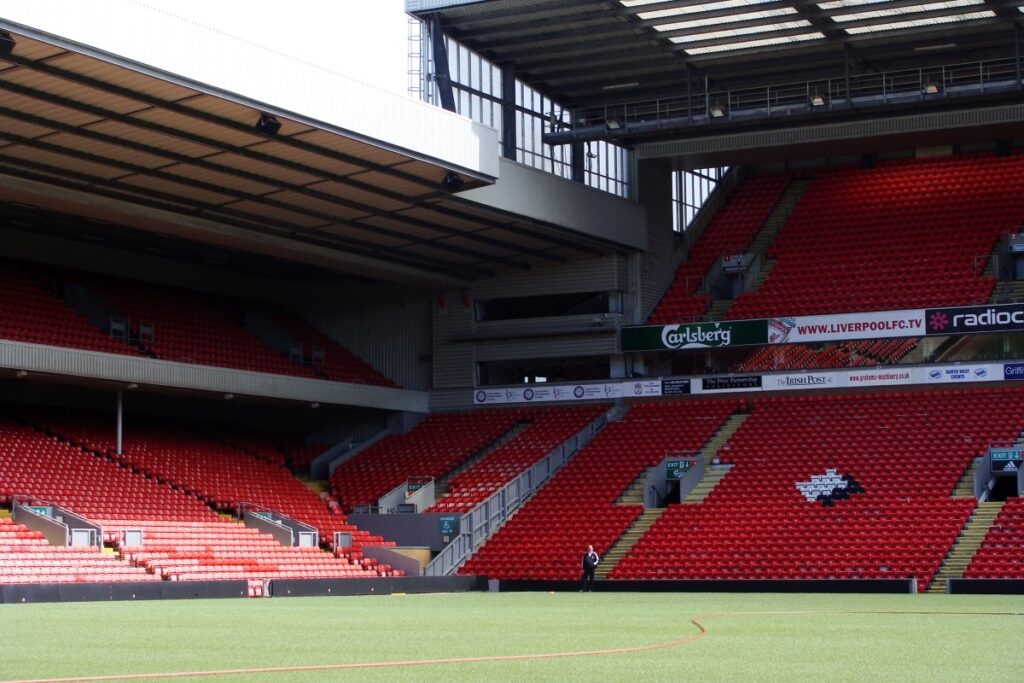
Liverpool FC and Carlsberg extend with record-breaking deal
Carlsberg and Liverpool FC have renewed their long-standing collaboration for another 10 years.
The signing of this agreement extends the association to 42 years, cementing its position as the longest in Premier League and club history.
This unique and long-standing partnership between Liverpool Football Club and Carlsberg began in 1992, when Carlsberg became the club’s major partner and gained pride of position on the front of the Reds’ shirt. Carlsberg then became the club’s official beer in 2010, and will continue to be so until at least 2034, owing to this latest decade-long renewal.
The Danish multinational brewer has been a witness for some of the club’s most illustrious and unforgettable moments on the pitch, including the cup treble in 2001, the miracle of Istanbul in 2005, and The Gerrard Final in the FA Cup Final in 2006 against West Ham United.
Liverpool Football Club Commercial Director Ben Latty commented on the Carlsberg contract renewal:
“We are absolutely delighted to continue to have Carlsberg as a member of the LFC partner family for another ten years. The longevity of this agreement is testimony to our commitment to each other and the success of our partnership so far, which has been built on a deeply-rooted set of shared values.”
Louise Bach, Global Sponsorships Director of Carlsberg also spoke about the significant deal:
“We are extremely proud to add another 10 years to the iconic partnership between Carlsberg and Liverpool FC. During the last three decades we have stood side by side through the ups and downs and have become part of each other’s DNA.
The partnership is deeply rooted in our shared values, and we are very excited for the next decade. We can’t wait to bring this unique partnership to the millions of football fans around the world, because just like Liverpool FC, we, at Carlsberg, put the fans first.”
The Reds and Carlsberg have worked together as a devoted partner to develop compelling and meaningful campaigns and products that honour the club’s historic heritage.
Football can't police its way to a better future. It needs to build a culture of belonging, accountability and membership that lasts beyond any one administration.
Security manages risk. Membership builds culture. Football Victoria’s greatest legacy won’t be another policy – it will be a connected football community that outlasts today’s administrators.
Every time crowd trouble makes headlines, football tends to reach for the same solutions: more police, more security, stronger sanctions and another statement condemning the behaviour.
But football membership could offer another layer of accountability by creating a stronger relationship between supporters, their clubs and the game.
The recent South Melbourne and Preston Lions fixture has once again placed supporter behaviour under the spotlight. The match finished 0-0, but the football was overshadowed by the actions of a small group of supporters. Football Victoria condemned the behaviour and launched an investigation, while Preston Lions also condemned the conduct and indicated it would cooperate with authorities.
Those responses are necessary. The overwhelming majority of supporters attend football to support their clubs and should be able to do so in a safe and welcoming environment.
But incidents such as this should force a bigger conversation. Instead of continually asking how we punish those responsible, perhaps we should be asking how we build a football environment where accountability is embedded into the relationship between the supporter, the club and the game.
England confronted this challenge more than three decades ago.
Following the dark era of football hooliganism throughout the 1970s and 1980s, English football underwent a fundamental transformation. All-seater stadiums, CCTV, intelligence-led policing, professional stewarding and Football Banning Orders all played important roles in changing the match day environment.
But one principle sits underneath many of those reforms: knowing who your supporters are.
Football became less anonymous, and accountability became more achievable.
Football Membership Makes Accountability Possible
A membership card alone will never eradicate hooliganism. England did not solve football violence simply by introducing membership; it built an integrated system of policing, stadium management, intelligence, sanctions and supporter engagement.
Football membership can, however, strengthen that system.
When someone becomes a member, they are no longer simply an anonymous person purchasing a ticket. They have a relationship with the club. In Australia, that relationship can be even stronger because club memberships commonly provide prepaid match admission and voting rights.
That creates both privileges and responsibilities.
If a member repeatedly breaches a club’s code of conduct, there should be meaningful consequences beyond being removed from one match. Membership can be suspended, voting rights revoked and access to tickets, digital services and other member benefits restricted where appropriate.
The objective isn’t to punish supporters collectively. It is to give clubs and governing bodies the tools to identify, manage and sanction individuals while protecting the overwhelming majority who simply want to support their team.
Membership doesn’t replace policing. It strengthens accountability.
Australian Football Already Has the Foundation
Australian football does not need to start from scratch.
Our existing club membership structures already provide a direct relationship between supporter and club. Members can have voting rights, prepaid gate admission and a formal stake in the organisation they support.
The problem is that the relationship often ends at the turnstile.
Football Victoria has an opportunity to take that existing foundation and build something much bigger: a connected football membership ecosystem across Victorian football.
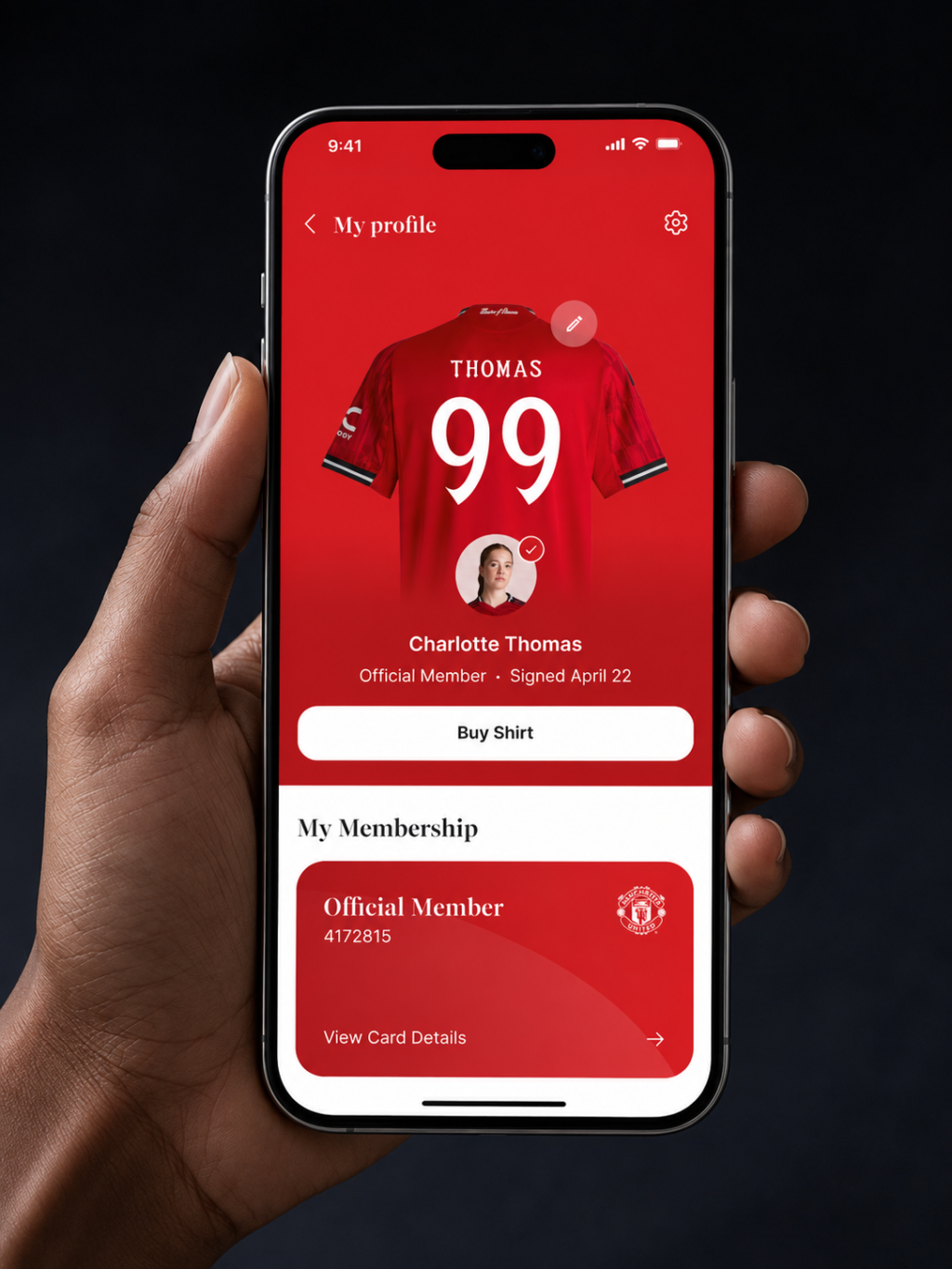
Imagine every supporter receiving a Football Victoria Membership ID linked to their club membership, ticket purchases, attendance, volunteer history, coaching and referee accreditation, junior participation and other interactions with the game.
That identity could become the gateway to the entire football experience.
Visual reference: Manchester United digital membership platform. What could a connected Victorian football membership experience look like?
One Membership. One Platform. One Football Community.
A centrally managed digital platform could provide members with access to live-streamed matches, club news, fixtures, results, exclusive content, merchandise, hospitality, voting, community programs and other services.
For clubs, it would create a direct and trusted relationship with their supporters.
For Football Victoria, it would create a statewide football network. For supporters, football membership becomes more than an annual transaction; it becomes their digital identity within the game.
This is where the proposal moves beyond supporter behaviour and into commercial sustainability.
Football Membership Is a Commercial Asset
The biggest misconception in Australian football is that membership is simply a marketing product.
It is not.
Football membership can become one of the game’s greatest commercial assets.
Every club talks about attracting sponsors, but sponsors increasingly want more than a logo on a shirt or perimeter board. They want access to audiences, measurable engagement and data.
A club with a strong membership base can demonstrate a genuine, identifiable community. It can communicate directly with supporters, promote merchandise and hospitality, measure engagement and provide sponsors with a more compelling proposition.
Now scale that across Victorian football.
Club websites, live streams, fixture pages, newsletters, digital memberships and content platforms collectively become a significant commercial inventory.
Football Victoria could develop statewide commercial partnerships across that network while allowing clubs to maintain their existing local relationships.
Every live stream, digital banner, fixture page, newsletter and member portal becomes valuable commercial inventory.
Revenue generated through that central digital ecosystem should be transparently redistributed across the game.
Football Victoria generates new commercial income. Participating clubs receive a share based on an agreed model that could consider active memberships, digital engagement, live-stream audiences and commercial performance.
That changes the economics.
Clubs are no longer operating entirely as individual commercial islands. They become part of a larger football marketplace where growth in membership and engagement creates value for the entire game.
Building Football’s Digital Infrastructure
The opportunity isn’t simply another membership database.
It is football infrastructure.
Imagine a single platform connecting club memberships, voting rights, match admission, live streaming, club news, supporter communications, merchandise and participation across the state.
It could also give Football Victoria a much clearer picture of the football community.
Not just registered players, but members, supporters, volunteers, coaches, referees and families actively engaged with clubs.
That data matters.
When football is competing for facilities, funding and political attention, credible evidence of community demand is far more powerful than assumptions or isolated attendance figures.
A connected football membership system could give policymakers a clearer understanding of the people behind the game and the scale of the community being served.
The South Melbourne–Preston Fixture Should Be a Catalyst
The recent fixture should not simply become another disciplinary matter that disappears once sanctions are handed down.
It should prompt a broader examination of whether Victorian football has the systems required to create stronger supporter accountability.
There is a legitimate place for security, policing, stewarding and sanctions. But these should sit within a broader framework that connects clubs with their members and gives supporters a genuine stake in the culture they help create.
The goal should not be to turn football into a sterile environment. Passion is one of the game’s greatest assets.
The goal is to protect passionate support while making it increasingly difficult for a small minority to hijack the experience for everyone else.
Football membership can be part of that solution.
A Legacy Beyond Today’s Administrators
Football administrators often ask themselves how they will be remembered.
Will it be another strategic plan? Another governance review? Another infrastructure announcement?
Those achievements matter, but systems create legacies.
The administrators who transformed English football are not remembered simply because they installed CCTV or introduced stronger sanctions. They are remembered because they helped fundamentally change how football operated.
Football Victoria has the same opportunity.
Imagine being the administration that built Australia’s first integrated football membership ecosystem: one that strengthens supporter accountability, creates recurring commercial opportunities for clubs, provides government with credible participation data, increases sponsorship value and connects supporters with their clubs through one trusted platform.
That is a legacy.
Football doesn’t need another reactive policy after the next crowd incident. It needs infrastructure—not just concrete and steel, but digital, commercial and community infrastructure capable of supporting the game for decades.
Because the greatest asset in football isn’t the grandstand, the sponsor or even the competition.
It is the people who choose to belong.
If Victorian football has the courage to transform football membership from a ticketing product into the foundation of accountability, community and commercial growth, it can do more than respond to the next incident.
It can change the way football is experienced, governed and commercially sustained for generations.
History shows us that football doesn’t change after one incident.
It changes when leaders have the courage to build systems that make the next one less likely to happen.
Leeds United has announced a multi-year partnership with global trading and investing platform eToro.
The agreement which begins in the 2026/27 season will see eToro receive prominent branding throughout Elland Road, including pitchside LED advertising, stadium screens and interview backdrops.
The partnership will also feature a series of fan activations and digital content initiatives to engage supporters throughout the season.
In addition to match day visibility, the collaboration aims to promote greater financial education, encouraging investing to become more accessible for supporters.
The two organisations will work together on campaigns that seek to simplify investing while creating new ways for fans to connect with the club.
Leeds United Executive Director Morrie Eisenberg said the partnership aligned with the club’s ambition to work with innovative global brands that share its commitment to engaging supporters.
eToro, which has an established presence in football through partnerships with a number of clubs across Europe, said Leeds United’s passionate fanbase and growing global profile made the club an ideal partner as it continues to expand its sporting portfolio.
The announcement forms part of Leeds United’s continued commercial growth since returning to the Premier League.
Strategic partnerships are playing an increasingly important role in expanding the club’s international reach and strengthening commercial revenues.
Commercial partnerships between football clubs and financial services companies have become increasingly common.
Clubs are looking to diversify their sponsorship portfolios while also giving partners access to highly engaged global audiences.
The latest agreement reinforces Leeds United’s strategy of working with international brands. These partnerships can support the club’s long-term commercial ambitions.