


Long-term Central Coast Mariners partner gets due reward

DMC Conveyor Services and Central Coast Mariners

DMC Conveyors, a vital long-term supporter of Central Coast Mariners, was rewarded on the eve of the new A-League seasons – as the Mariners Women front-of-shirt sponsor.

The club’s partnership with DMC Conveyors began in 2018 and during that time DMC has been a financial backer of both the Mariners men’s side and their academy.

Hence, this move to support the Mariners Women’s side means that DMC will have acted as a major benefactor for the club across all of its major sports programs.

DMC is a local business, and the partnership has been spearheaded by its founders Michael and Jennifer Dovey.

In the club’s press release, it citied the couple’s involvement in helping the Mariners fund and organise community focused events including the clubs Christmas Carols and annual New Years Eve Fireworks. The pair have also been quietly supporting other grassroots clubs in the Central Coast region.

It is apparent that DMC is a vital partner to the Mariners, and it is great to see the club reward an important on-going sponsor.

Central Coast Mariners CEO Shaun Mielekamp reflected the importance of DMC for the club and expressed their pride in having DMC feature so prominently with their Women’s side.

“We are moved by Michael and Jennifer’s commitment to the growth of women’s football here on the Coast. Their decision to continue this generous support for our Women’s team reflects their genuine passion for the sport and their belief in its potential to inspire and empower young athletes in our community,” he said via press release.

“This partnership is not just about football, but also a collaborative approach to the shared vision we have about building up and supporting the Central Coast Community. We are grateful and appreciative of DMC’s continued support, and we look forward to achieving great success together on and off the pitch.”

DMC Founder Michael Dovey expressed his firm’s pleasure at being featured and expressed their ongoing commitment to the Mariners both on and off the pitch.

“After six years with the Mariners and with DMC’s commitment to the club growing annually, the time felt right to become a major partner of the Central Coast Mariners leading into their return to the A-League Women’s competition,” he added via media release.

“After the success of the World Cup it is an extremely exciting time for Women’s football in Australia. DMC are pleased to be able to continue giving back to the Central Coast through our sponsorship of the Mariners, with it being amazing to have a professional women’s team back in the region.

“To have a clear pathway for young girls and women on the Coast is exciting. Heading into the team’s first season we want to see them not only compete, but also be successful and challenge, which we know will happen. To be able to help support the team through this sponsorship and other means is something that DMC are really proud of.”

This announcement on the eve of the new A-League season is a great sign that as the competition grows, where the league’s traditional and local sponsors will continue to feature in the game.

It is nice to see a local business be rewarded and this deal is sure to benefit not only the Mariners and DMC but also the wider community that both partners have been so keen to support historically.
Previous ArticleNext Article

South Melbourne’s Australia Cup triumph reignites promotion and relegation debate

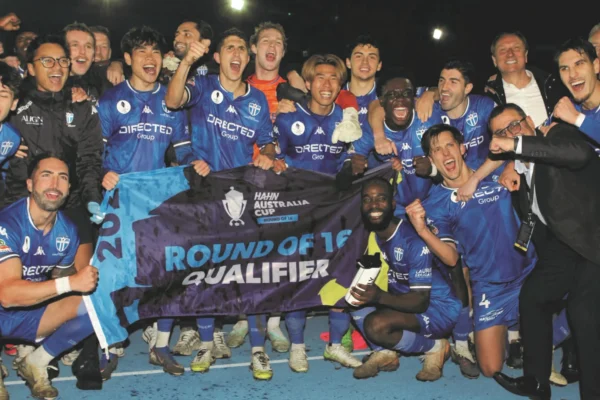
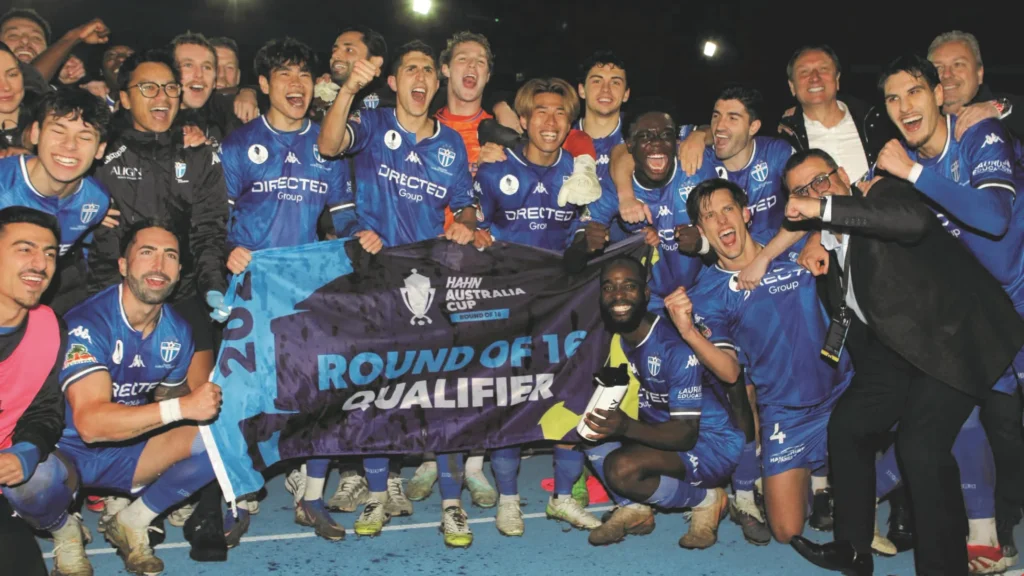
South Melbourne FC’s dramatic 2-1 victory over Adelaide United in the Hahn Australia Cup Round of 32 has reignited debate around promotion and relegation in Australian football, with Co-President Bill Papastergiadis stating the result is further proof that ambitious National Premier Leagues clubs deserve a pathway to the top tier.

The Victorian powerhouse produced one of the competition’s biggest upsets at Lakeside Stadium, overturning an early deficit to eliminate the Isuzu UTE A-League side and secure a place in the Round of 16.

While the result was celebrated as another example of the magic of the Australia Cup, Papastergiadis believes the victory carries a much broader message about the strength that exists outside Australia’s professional league.

Speaking following the win, Papastergiadis said South Melbourne’s performance demonstrated why the Australian football landscape should move towards a connected pyramid featuring promotion and relegation.

“The result was South Melbourne FC’s revenge 22 years in the making,” Papastergiadis said.

“It also demonstrates that clubs in the National Premier Leagues have the quality, professionalism and ambition to compete with A-League opposition when given the opportunity.”

For years, South Melbourne has been one of the strongest advocates for structural reform within Australian football, consistently calling for an open pyramid that rewards sporting merit rather than maintaining a closed league system.

Papastergiadis argued that Australia Cup fixtures continue to showcase the depth of talent throughout the domestic game, with NPL clubs regularly proving they can challenge and defeat professional opponents despite operating with significantly fewer resources.

He believes these performances should not simply be viewed as isolated “cupsets”, but as evidence that Australia’s football ecosystem is ready to embrace a promotion and relegation model that provides ambitious clubs with a genuine pathway to the top flight.

The result against Adelaide United adds another significant chapter to South Melbourne’s storied history. One of Australia’s most successful clubs, South Melbourne has long maintained aspirations of returning to the national stage, backed by a passionate supporter base, strong infrastructure and a proud footballing tradition.

For Papastergiadis, victories such as Thursday night’s reinforce the argument that clubs should earn opportunities through performances on the pitch.

“The Australia Cup continues to show what’s possible when clubs from different levels of the football pyramid compete against one another,” he said.

“Our football should be built on opportunity and merit. Clubs that perform consistently and invest in their communities should have the chance to progress to the highest level.”

South Melbourne will now turn its attention to the Round of 16, where it will look to continue its impressive cup run.

Beyond the result itself, however, the victory has once again fuelled discussion around the future of Australia’s football structure and whether the growing strength of clubs outside the A-League should accelerate the push towards a fully connected national competition.

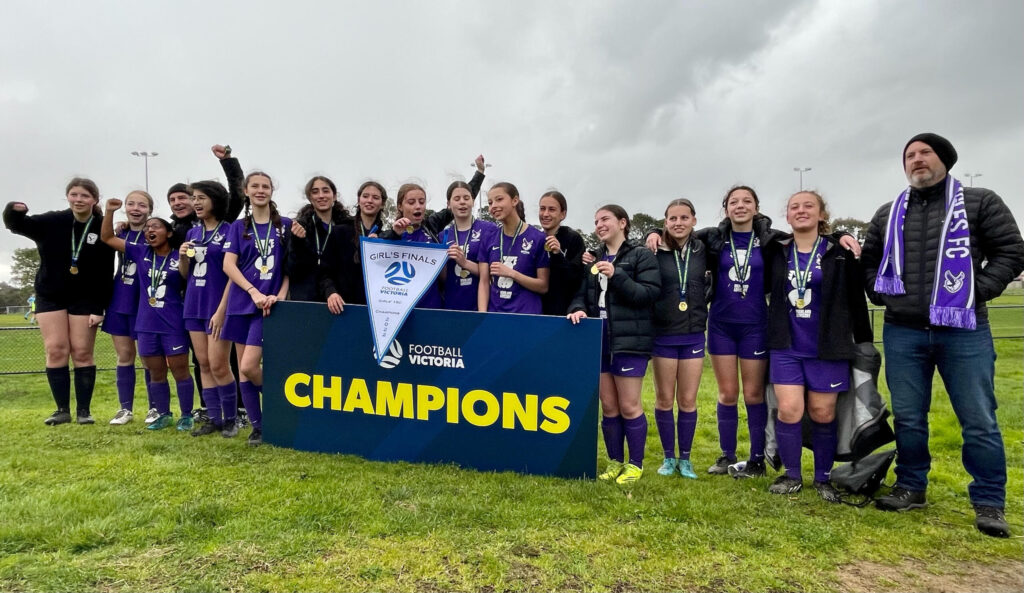
Boroondara Eagles Secure Landmark Victory as Macleay Park Set to Become NPLW Home

A long-awaited breakthrough for the Boroondara Eagles Football Club has brought the vision of a permanent home for women’s football one step closer, with Boroondara City Council endorsing plans for an NPLW-compliant pitch at Macleay Park.

For the Eagles, the ambition to provide women with deserving facilities took a significant step forward this week after the Boroondara City Council committed to upgrading the pitch as part of the Macleay Park Masterplan.

This masterplan involved new sports lights on Macleay Park Oval 3 but failed to see any further development to the soccer facilities or the Boroondara Eagles until Monday night.

The decision marks a defining moment in the club’s history and provides a platform for sustained growth, particularly for its thriving women’s and girls’ football programs.

While the resolution represents an important planning milestone, its significance extends well beyond the construction of a new playing surface. It signals a commitment to ensuring female footballers have access to facilities capable of supporting elite development pathways while remaining connected to their local community.

Purpose-built facilities remain one of the biggest challenges facing women’s football across Australia. As participation continues to surge, many clubs have outgrown venues originally designed around significantly smaller player bases.

For a club that has experienced rapid growth in recent years, the announcement provides the opportunity to establish a permanent home capable of meeting the demands of National Premier Leagues Women’s football.

The investment also reflects a broader shift within local government and football stakeholders towards recognising the infrastructure required to support the continued growth of the women’s game.

The Council’s decision was underpinned by strong community support, with players, families, coaches, volunteers and supporters filling the Council Chamber in a powerful display of unity.

The overwhelming attendance demonstrated the depth of connection between the club and the local community, highlighting how football facilities can become important social and sporting assets beyond matchday.

Although the inclusion of the NPLW-compliant pitch within the Macleay Park Masterplan represents a significant victory, the project remains at the beginning of its journey.

Funding, planning and delivery will now become the focus as the Boroondara Eagles works alongside Council, partners and the wider community to bring the Macleay Masterplan to life.

The club has already called on local businesses, sponsors and community members to become involved in the next phase, recognising that delivering modern sporting infrastructure is a collaborative effort.

Should the project progress as envisioned, Macleay Park has the potential to become more than simply the club’s home ground. It could emerge as a center point for women’s football in the local Boroondara community, supporting participation, talent development and community engagement for years to come.

For the Boroondara Eagles, the Council resolution is not the destination—it is the foundation upon which the club can build its next chapter.

Most Popular Topics

Editor Picks

Send this to a friend