
Manningham United Blues FC boosted by $300,000 grant for LED lighting upgrades

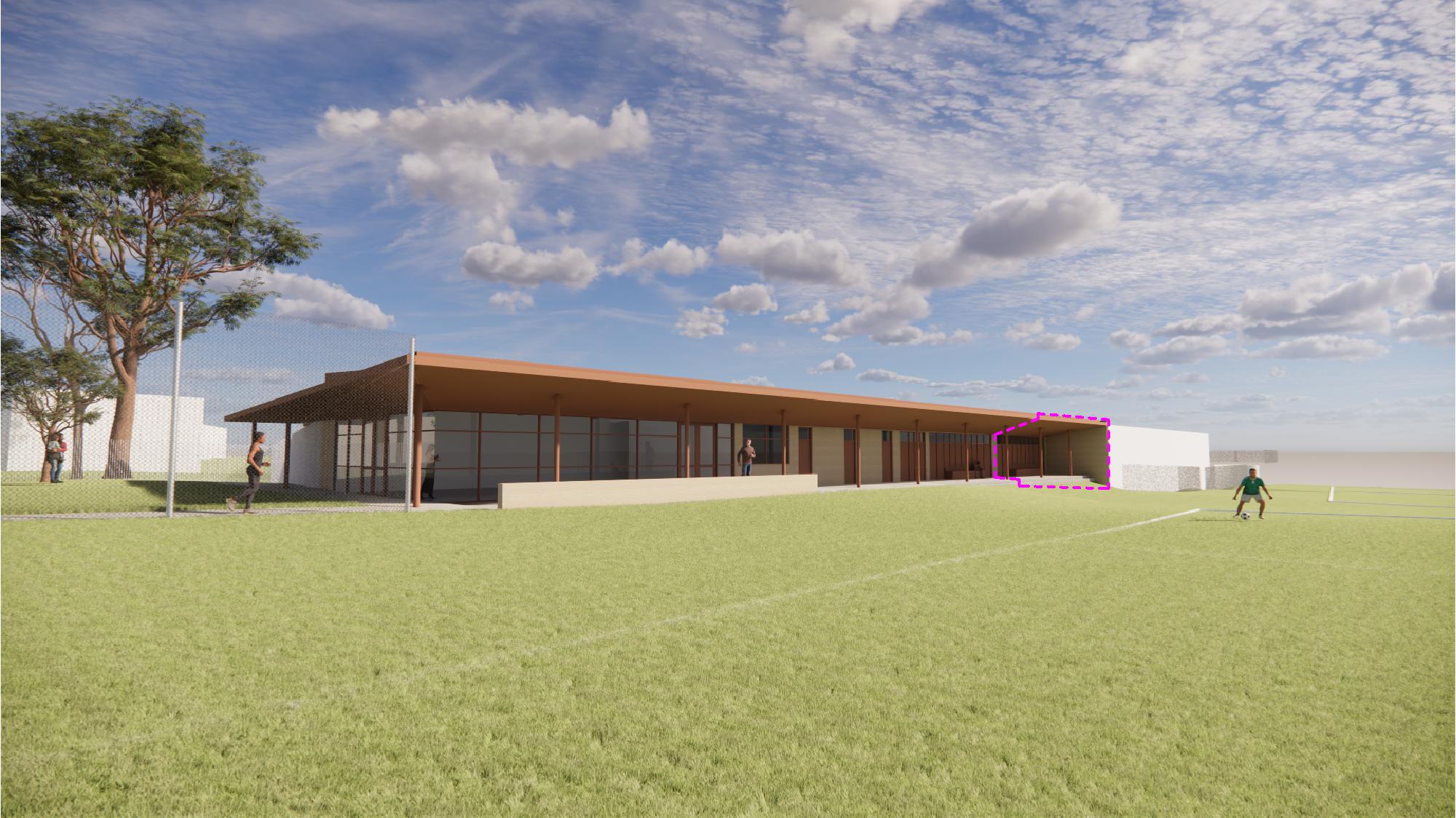
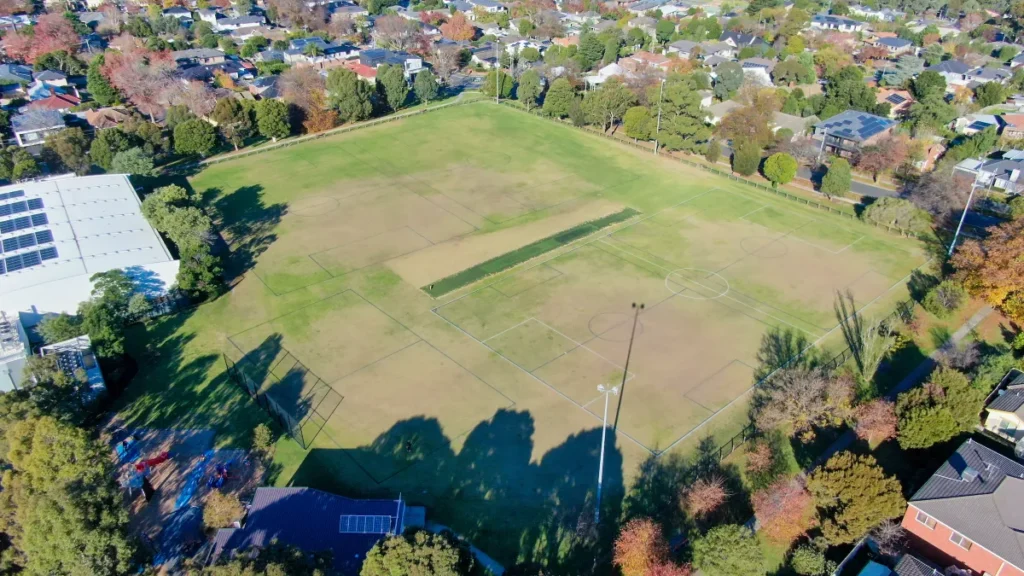
Manningham United Blues FC have received a $300,000 funding grant which will be used for lighting upgrades at the club’s home at Timber Ridge Reserve.

The funding has been provided through a partnership between the local Manningham Council and the Victorian Government, through their World Game Facilities Fund.

The upgrades will see a new 50 LUX LED floodlight system installed at the ground in the coming months, consisting of 4 new LED lighting towers which will light up two full size pitches and a small side pitch at the reserve.

President of Manningham United Blues FC, Mark Giuliani, believes the new upgrades will have a positive impact on the local community.

“Looking at the wider community, the new system will have a significant effect in reducing the lighting-up of neighbouring backyards,” he told Soccerscene.

“Obviously, the lighting system we have now is pretty old and it just sprays light everywhere, whereas LED lighting is very accurate and precise.

“So, in terms of the local residents, that will be the number one benefit for them as they won’t have their backyards impacted.”

The club will also benefit significantly from the improved lighting system in the years to come.

“In terms of us, there’s numerous things I think we are going to benefit from,” Giuliani said.

“One main benefit is definitely the financial aspect, the system we have now is pretty old and each year we spend at least $1000 on globe replacements.

“The running costs will also be better off now that the lights are LED and this will be an important financial gain for us.

“On top of that, we will definitely get a much more even spread and better lighting on that facility now, rather than what we’ve got in the past.”

Giuliani explained that under the new lights, night games will soon be allowed to be hosted at the club’s home ground, which hasn’t been permitted in the past.

This, however, will only apply up to a certain competition grade and will depend on the LUX it will provide.

“We were offered the option to chip in some extra funding to bring it up to a certain LUX for NPL games, but at the moment the club is not in a financial position to make that extra investment,” he said.

“It is however NPL ready, so all the wirings and powering, the lighting towers, the fixtures up in the towers, they will all be ready if we want to upgrade to host NPL games.”

The senior male team currently competes in NPL2 after securing promotion to the NPL system in recent years.

Manningham itself, has a strong, yet relatively recent history. After humble beginnings in 1999 with only a few junior teams initially, the club merged with Fawkner Blues SC in recent years and now has 39 teams and around 2000 members.

The club has now become the biggest community club in Manningham through factors such as their female program, which continues to expand across the board.

Facilities have been key to their growth and alongside the announcement of the new lighting setup, the club has received recent clubroom upgrades at Timber Ridge Reserve, through funding from the local council.

“We have also just had a recent upgrade to our Timber Ridge Reserve, in terms of our clubrooms – it was a $300,000 upgrade which was funded through Manningham Council, which we are extremely thankful for,” Giuliani said.

Since 2018, the World Game Facilities Fund has invested $13.2 million in 48 game-changing infrastructure projects with a total value of more than $41 million. The next round of the World Game Facilities Fund will open for applications in August 2021.

For more information visit: sport.vic.gov.au/grants-and-funding/our-grants/world-game-facilities-fund
Previous ArticleNext Article

Football NNSW Releases Infrastructure Strategies as Participation Growth Outpaces Facilities

Northern NSW Football has unveiled bespoke infrastructure strategies for each of its seven member zones, providing an evidence-based roadmap for facility investment across the region as continued participation growth exposes critical gaps in the sporting infrastructure available to support it.

The Member Zone Infrastructure Strategies draw on data across participation rates, population growth and existing facility conditions to map what each zone has, what it needs and where investment will have the greatest impact. Identified gaps include drainage, lighting and inclusive changerooms – the foundational infrastructure that determines whether facilities are functional, safe and accessible year-round.

NNSWF Government Relations Manager Gary Fisher said the strategies represented a significant step toward smarter, more targeted investment across the region.

“By bringing together key data on participation, population growth and existing infrastructure, these strategies give us a stronger understanding of where the needs are greatest and where investment will have the most impact,” Fisher said. “Ultimately we want to create more inclusive and accessible environments for everyone involved in the game while building stronger, more sustainable clubs and communities for the future.”

Northern NSW Football has previously noted that participation across the region is at record levels and still rising, with women’s and girls’ football a significant driver of that growth. Infrastructure that was built for a smaller and less diverse participation base is increasingly unable to meet current demand, let alone accommodate future growth.

The strategies are also designed to strengthen NNSWF’s alignment with government funding priorities, providing the evidence base needed to support grant applications and long-term facility planning across all seven zones.

World Cup 2026 build-up: FA urges Victorian Government to overturn live site decision

Football Australia responded yesterday to the decision by Melbourne Arts Precinct not to host live watch parties during this year’s FIFA World Cup tournament.

FA urges reconsideration

Citing safety concerns, Melbourne Arts Precinct announced that live watch parties would not take place this summer.

As a result, many fans and officials are eager to see the decision overturned as they look forward to rallying behind the Socceroos at their seventh FIFA World Cup tournament.

Football Australia revealed yesterday that they are speaking to both the Victorian Government and the Melbourne Arts Precinct to ensure fans across the city can view live matches together.

“The FIFA World Cup is the biggest sporting event in the world and unites Australia’s multicultural communities, while reinforcing our national identity,” explained Football Australia CEO, Martin Kugeler, via official press release.

“Live sites create iconic moments for Australian sports fans. They bring all Australians together to celebrate and cheer our National Teams competing on the biggest stage.”

“Melbourne is one of Australia’s sporting and multicultural capitals, and this decision goes against this tradition.”


Celebration vs safety

While many will be backing the FA in their call to overturn the decision, the motivations behind it nevertheless stand to reason.

With thousands of fans packed into an outdoor, public space like Federation Square, guaranteeing order and safety becomes increasingly difficult to deliver.

During the 2023 FIFA Women’s World Cup, up to 12,000 fans attended the semi-final screening against England. And although the majority were there to enjoy and support, a small minority took the opportunity to light and throw flares.

Therefore, the response from the FA begs an important question in staging live sporting events:

At what point do celebrations compromise safety?


Final thoughts

Football brings people together, and international tournaments allow fans to display pride for their respective nations.

But safety remains an absolute priority in sports – from the athletes on the pitch to the fans in the stadium or, during major tournaments, at popular live sites.

Hopefully, an agreement can be reached which balances both aspects of the game.

Most Popular Topics

Editor Picks

Send this to a friend