




In a time where fans are not guaranteed to be able to attend games due to COVID-19, MatchDay Digital presents as a beneficial way to make programmes accessible to everyone.
MatchDay Digital is the world’s first, football-focussed digital magazine platform that sees premium content made available for everyone no matter where they are, including matchday programmes, popular football magazines, newspapers and high-quality fanzines. Fans will then have access to digital versions of content that may have otherwise been print-only.
Available on Apple iOS with Android and Desktop to follow soon, MatchDay Digital brings all quality football content to the app and sees the development of programmes for football clubs.
By having all football content in the one place, it reaches a bigger audience where fans may find a hidden gem they might not have seen before. MatchDay Digital uses the Intelligent Content Engine (IP) to match material uploaded by clubs, leagues and countries that fans follow on the app, which significantly increases the visibility and reach of each publication that in turn enhances the fan experience.
MatchDay Digital is a free-to-use platform given they work on a revenue share based on the volume sold and a further reinvestment into marketing with each partner. Their strong technology roadmap will allow for more interactivity, dynamic content and translations as they look to extend their reach globally.
English League One side AFC Wimbledon are part of MatchDay Digital’s clients, featuring English Premier League teams Burnley and Crystal Palace, as well as Championship clubs Brentford FC, Norwich City, Nottingham Forest and Watford where digital content is provided.
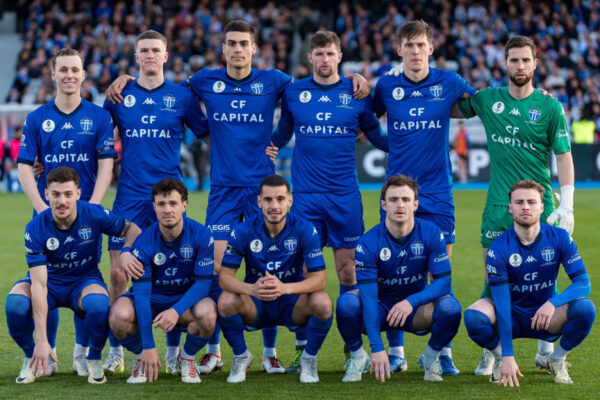
AFC Wimbledon’s partnership began from the opening day of this season where fans could download the matchday programme for the game against Plymouth Argyle, even without being allowed to attend.
AFC WImbledon CEO Joe Palmer sees this as a step ahead of the curve when factoring in the potential of further reach within the app.
“AFC Wimbledon is a forward-thinking club. We are embracing the future and our new stadium shows that. We’ve not skimped on technology in any way,” Palmer said to FC Business.
“We have to future proof and think ahead as to how fans’ behaviour will change, and digital content is just part of that. We’re not the biggest club, but that doesn’t mean we can’t think like one.
“Digital magazines have been teetering on the edge of full existence for a while now. A lot of people have been talking about them, but it made sense for us to take this step now.
“There’s plenty of research that now shows mobile phone use in stadiums is massive. Practically, people don’t want to hold a physical magazine.
“Digital is a much more cost-effective and time-effective way of operating and clubs need to challenge more fans to move to digital we move into the future, because it’s better for us as businesses, and it’s better for fans as consumers.
“Modern-day football clubs can encourage that change for the good of the fans, and the good of the club.”
In today’s current climate, where the production of printed magazines and distribution would be tricky amid the challenges of COVID-19, the idea of going digital has an even stronger case and big appeal to any football clubs yet to make the switch.
“We knew that fans would only occasionally buy matchday programmes when physically attending football games,” MatchDay Digital founder & CEO Damian Woodward explains.
“Through our research we found out that if it was more convenient, easy to access and offered better value, more fans would purchase programmes. Over 50% of match-goers and 25% of fans watching on TV or through subscription services would be interested in buying a digital programme if it were available to them.
“For clubs, we could see that they were spending time and money on producing, printing and distributing a high-quality publication for each home game, but that the audience for this was so limited.
“You’re only speaking to the people who are attending the game, but if you speak to every club in the country, they’d tell you that their fanbase is much, much bigger than just the people who are able to get to the ground on Saturdays.
“MatchDay Digital allows clubs to access their audience wherever they are. That means greater revenue from increased sales, a better connection to the fanbase and unlimited exposure that can be sold on to sponsors. It’s a no-brainer, for no extra cost.”
You can find more on MatchDay Digital here, where you can get in touch by filling in a contact form.