




Premier League announces No Room For Racism Action Plan

No Room For Racism

The Premier League’s No Room For Racism Action Plan has been launched with the aim to eradicate racial prejudice and create more opportunities for minority ethnic groups in football.

The action plan makes commitment in six areas – executive pathways, coaching pathways, player pathways, supporting communities, action against racism and embedding equality.

Action will be taken across all Premier League activity as part of the plan.

Targets have been set in an effort to increase diversity within leadership positions within the Premier League organisation.

By 2026, the Premier League aims to have 42 per cent of roles filled by women as well as having 18 per cent of staff from a Black, Asian or minority ethnic background.

A commitment to continue to take action against racism has also been made with the league to drive awareness, educate fans and improve the enforcement and effectiveness of sanctions.

“Football is a diverse sport, which brings together communities and cultures from all backgrounds,” Premier League Chief Executive Richard Masters said.

“This diversity has made the game stronger on the pitch and it is vital we ensure this is reflected across all areas of the game.”

“The No Room For Racism Action Plan underpins the Premier League’s continued commitment to promoting equality and tackling discrimination. It builds on the wide-ranging work undertaken by clubs, aiming to ensure that everyone can achieve their potential, regardless of background.

“There is no place for racism in our sport and the Premier League will continue to take action against all forms of discrimination so that football is inclusive and welcoming for all.”

The Premier League also wants to increase the number of coaches from Black, Asian and minority ethnic backgrounds, and will work with football partners to deliver programmes for underrepresented groups.

Further commitments include to ensure that all players have the opportunity to succeed regardless of ethnicity or background, to assist children and youth by promoting aspiration, education and pathways and to support clubs to achieve and report on equality, diversity and inclusion targets.

All 20 Premier League clubs unanimously supported the action plan at a shareholder meeting last week.

The league’s No Room For Racism campaign was launched in March 2019, to work against racial discrimination.

Previous ArticleNext Article

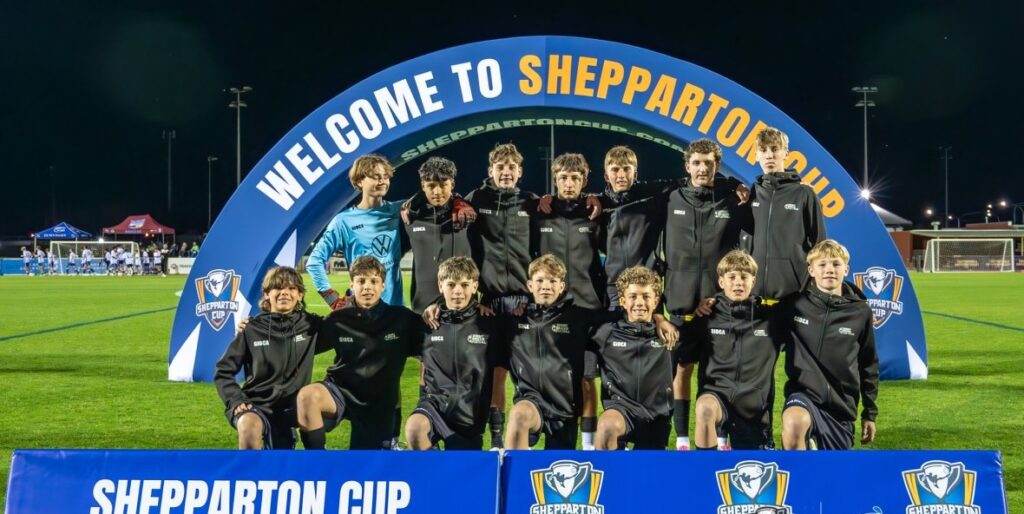
Shepparton Cup – Victoria’s biggest junior football tournament – set for 2026 edition

Victoria’s largest junior football tournament is set to kick off in style as the Shepparton Cup returns for 2026. With age groups from under-sevens through to under-17s, the Shepparton Cup welcomes players of all genders and abilities as the perfect way to end the 2026 club season.

The tournament kicks off on the 23rd of October with an Olympic-style opening ceremony. The 2025 edition saw 385 teams and 4,600 players take to the pitch across both Liga and Copa Divisions. The Liga Division is for grassroots teams of all abilities who want a fun competitive experience; the Liga Division is for NPL and state league teams who will compete in a competitive carnival.

Rolando Navas, Managing Director of Sports Group Melbourne, says the tournament is not only beneficial for young players but also for the community of Shepparton.

“The Shepparton Cup is a great opportunity for families and the wider Shepparton community to embrace the regional community and provide a platform for young players to participate and experience a competitive and fun three day festival of football.”

The 2026 Shepparton Cup will be held from 23rd to 25th October 2026 at Shepparton Sports City. For more information about the Shepparton Cup, click the link here.

Australian Sports Group reveals ambitious blueprint for Canberra United

New Canberra United owners, Australian Sports Group, have outlined an ambitious investment blueprint for the future of the club.

The plans centre around strengthening the club’s foundations, establishing elite academy pathways, and the introduction of an A-League Men’s team. More broadly, it aims to create a stronger football ecosystem that connects players, clubs and communities across the Australian Capital Territory.

A key pillar of the strategy is the development of an elite academy. The proposed pathways will create opportunities for emerging talent to progress towards professional football, strengthening the connection between grassroots participation and the elite game. The academy would form an important foundation for the proposed A-League Men’s team. ASG are targeting an entry into the Men’s competition from 2028/29, pending required process.

The introduction of a men’s team would expand the club’s professional offering and create additional opportunities for players, coaches and football staff. It would also give local talent a clearer pathway towards senior football without having to leave the region.

Infrastructure investment is another central component of the blueprint. The group plans to improve football facilities and secure a long-term home for the club. These developments would support the women’s program while laying the groundwork for future expansion.

The strategy also prioritises stronger engagement across the ACT football community. The ownership group plans to work with local stakeholders and government to align the club’s growth with broader priorities for sport and community development.

The immediate focus remains on stabilising the women’s program and building the structures needed for long-term success. This approach provides a foundation for the club to expand its operations while maintaining its existing identity and community connections.

The investment blueprint signals a broader ambition for Canberra United. By combining elite player development, improved infrastructure and the potential introduction of a men’s team, the group aims to establish a sustainable professional football model for the capital. The vision positions Canberra United as a platform for growth across the region, with a pathway to connect grassroots participation, academy development and professional competition.

Most Popular Topics

Editor Picks

Send this to a friend