
Preston Lions unveil electrifying third kit

Preston Lions Third Kit

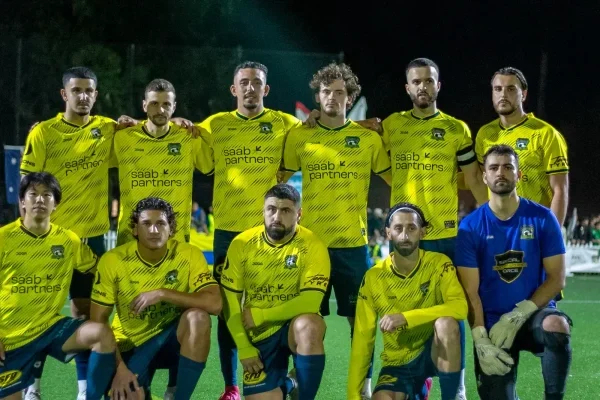
Preston Lions have launched a new third kit to add to their ever-growing range of apparel and merchandise.

The kit features a predominantly black design with the emersion of traditional red in the form of thin stripes and across the sleeve and collar – making it a striking look for those big night matches in particular.

It symbolises where the club is heading, and also represents their legacy, with the Lions’ logo firmly placed in gold on the right-hand side.

Preston Lions Branding Manager Adrian Giannarelli spoke to Soccerscene about the club’s merchandise, strategy and hints for upcoming plans.

Tell us a bit about the design and how it came about?

Adrian Giannarelli: The kit is heavily inspired by our supporters and the energy they bring on Friday nights; they are the ones who drive us week in week out. The admiration and connection that they share with our club is something special to witness, so in a sense they are the 12th man out there for our players.

This is a kit that further emphasises the Preston DNA and brings a sense of belonging.

With the fanbase you have, how have you seen the growth of merchandise?

Adrian Giannarelli: With a club like Preston, we are very fortunate that the support is rich in all facets, so the supporter base is already there in big numbers.

We try to create things that resonate with them the best from their experiences with the club, however with that in mind, we understand it’s also being aware of the future generation and understanding what keeps them interested.

So, we like to continually draw inspiration from all sporting codes around the globe and what made those garments special – to spark emotional connection from the club to supporters.

You now have an extensive range of products, what or who was the inspiration behind it?

Adrian Giannarelli: The club itself is directly the inspiration, from the people to the actual DNA that makes the Preston Lions great.

There are so many factors involved in the products, that range from design right through to functionality of garments. Being considerate of when the actual products will be worn and throughout what seasons was something that became bottom line.

We want our supporters to be comfortable in any weather proudly wearing our merchandise. Highlighting the people and DNA that makes football clubs great and Preston is a prime example of that.

What are some of the strategies behind the merchandise (survey, market research, case studies elsewhere etc.?)

Adrian Giannarelli: In our mentality, it’s ‘better is temporary’, so we want to ensure that we are constantly evolving in what we do and search for things that have a great crossover between the club and the entire eco-system that surrounds it.

You don’t have to look at just the football landscape to create something – inspiration is everywhere from all different sporting codes and fashion for that matter.

We just try to be a sponge and absorb everything that can come to fruition. Sometimes it may not fit, however more often than not, we come across things that work for us and let nature play its course among our supporters, see how it can build a connection and take learnings away that we can develop on.

In a sense it’s no different to how the Men and Women’s playing group approach a game by being the best on the pitch, and with our brand, it’s exactly that – being the best football club off the pitch is something we continually strive for and so far, I believe we have achieved that and our team is only scratching the surface to how far we can actually go.

Is there anything you can hint at with regards to what’s up your sleeve in the coming months?

Adrian Giannarelli: We were really excited to get the third kit released and that was in our recent plans so it’s great to see it come to life. We do have a few other projects in the works, and it’s just about being open to anything that fits within the club’s brand so who knows what the future holds.

We will always continue to challenge ourselves and see what we can create that few are doing.

For Preston Lions’ full range and to pre-order the third kit, visit their shop here.

Previous ArticleNext Article

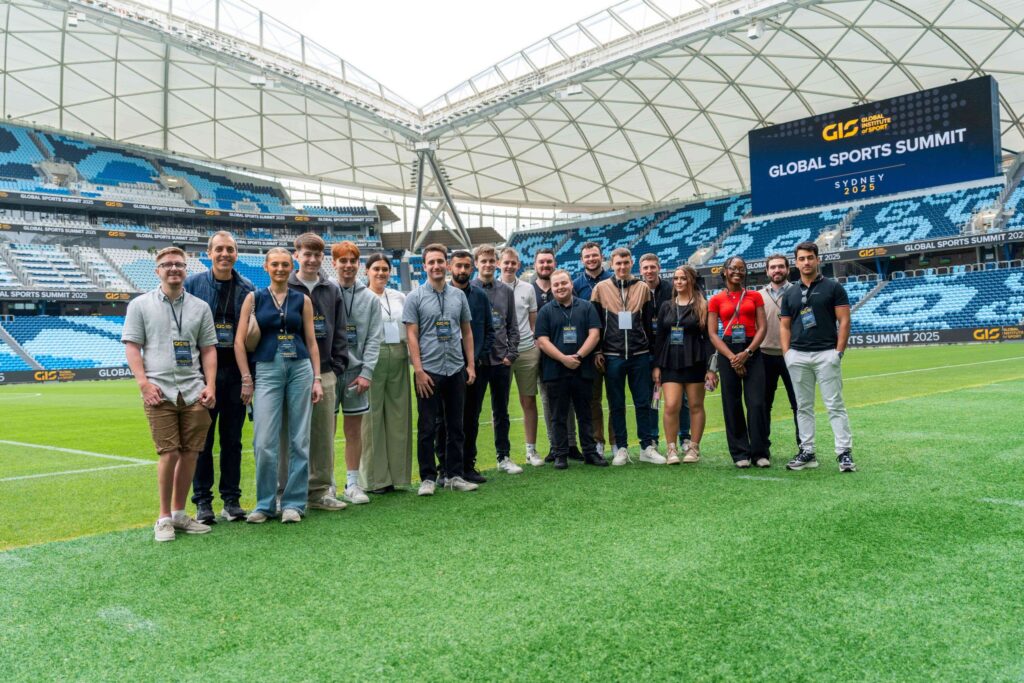
GIS Sydney continues to connect students with Australia’s sports industry

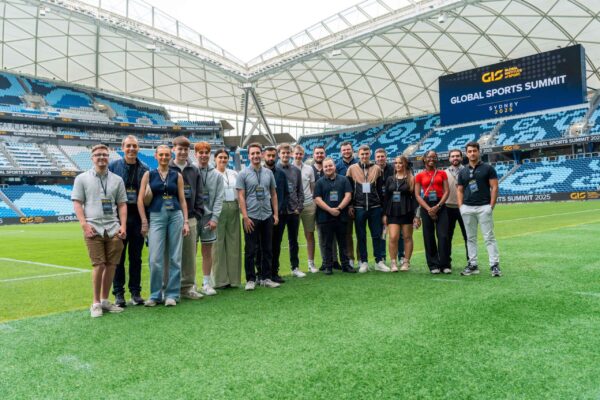
Following the launch of its Sydney campus in 2025, the Global Institute of Sport (GIS) is continuing to establish itself in the nation’s sports industry. A leading provider of degrees and executive education in sport, GIS provides students the chance to study at two of Australia’s biggest sporting venues: Allianz Stadium and the Sydney Cricket Ground (SCG).

Programs such as Sports Analytics and International Sports Business are delivered in collaboration with the University of Newcastle, and feature the chance for students to gain exclusive access to the sports industry.

More than 50 guest speakers have shared their experience with students studying at GIS Sydney, representing organisations like FIFA, Red Bull, Cricket Australia, and the AFL. While learning about the regional and national sports industry in the classroom, students have also had the chance to gain an international perspective through GIS’ signature Global Sports Summits, which have given Sydney students access to iconic sporting venues around the world from London to Miami.

Outside of the iconic venues students can call their classrooms, the organisation prioritises the real, industry placements needed to put theory into practice by providing each student with 140 hours of relevant work experience throughout their studies. Included in this are several sporting organisations who are keen to welcome GIS students on board, including the Professional Football Scouts Association (PFSA), Football Coaches Australia, and Basketball NSW.

GIS also has a partnership with popular network and app Yakka Sport to connect students with paid employment opportunities while they study.

Behind these advancements at the GIS Sydney campus is an Industry Advisory Board which features a host of experienced figures from the world of sport. Included in the Asia-Pacific branch is Chair James Rosengarten, GM of the Melbourne Renegades; Kevin Jang, Managing Director of CAA Stellar Korea; and Brad Lloyd, GM of the Carlton Football Club.

Since launching, GIS’ Sydney campus has ultimately combined its locations and industry connections to provide the next generation of sports professionals with the knowledge, network, and confidence to tackle the rapidly evolving sports industry.

Brazil is coming. But what is the real price of bringing football’s giants to Australia?

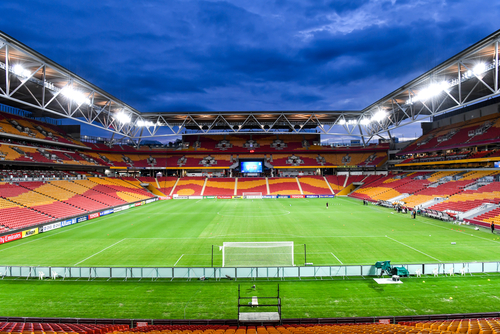
There is something undeniably exciting about Brazil coming to Australia. The five-time World Cup winners will face the Socceroos twice in Queensland from Friday, with Townsville and Brisbane set to host the blockbuster fixtures.

For Australian football, these are the kind of games that should be anticipated, celebrated and capture the public’s attention. But they also raise questions: how much should Australian football pay to bring the world’s biggest nations here, and when does the bill become too big? 

The cost of bringing the big names

Australia has always paid up to bring big names down under. Last week’s NFL game in Melbourne, at a cost of between $10 and 15 million dollars to the Victorian Government, is just the latest example.

It could cost the same amount to bring Brazil to Queensland. A report in The Sydney Morning Herald last year revealed Brazil was reportedly seeking around $7.5 million per match to play in Australia. The fee is in line with other major international events; Western Australia reportedly faced a bill of around $12 million in taxpayer funding for the recent Perth Italian Football Festival.

I’m worried Football Australia won’t get return on investment to make this particular event worthwhile. The enormous fee to bring Brazil to Australia can’t immediately be justified as an investment in our footballing future. Instead, Football Queensland and the state government could have put these funds into grassroots facilities. Part of Football Queensland’s scrapped state headquarters investment plan was to spend $8.5 million to refurbish fields, lights, drains and irrigation at Mappas and Meakin parks. Instead of these plans to invest in the state’s youth players and academies, money has been spent on two international friendlies.

So ahead of the fixtures, the question remains: will these games inspire the future generation, and will participation grow? The NFL match was impossible to ignore: a sold-out MCG and a live audience of 2.1 million on free-to-air, not even including those watching on ESPN and Netflix. Football Australia is not simply buying 90 minutes of football; it is buying the attention that comes with Brazil. So let’s see if they can maximize returns. 

Ticketing Tells a Story

Ticket sales provide insight into the interest in the fixture. Brisbane has sold much quicker than Townsville, but neither have sold out as yet. The fact these games didn’t immediately sell out may be considered surprising as there is a genuine appetite in Australia for elite international football at the moment, evidenced by SBS’ World Cup viewership numbers of 17.1 million.

Brazil is bringing some of its brightest stars: Vinicius Junior, Raphinha, Bruno Guimaraes, Marquinhos and Endrick are among the headline names in their squad. The star power is there. So why haven’t these matches sold out? There’s a chance it comes down to the competition and the visibility of the event.

The viewing problem

The timing of this fixture could raise eyebrows amongst fans. As much as Australia and Brazil will draw huge crowds, both games fall on either side of the AFL Grand Final. The 2024 AFL Grand Final, which involved Queensland’s Brisbane Lions, drew over 4 million viewers on free-to-air. Brisbane, who have won the last two premierships, will feature once again on Grand Final day. Therefore, fans who could’ve attended may instead be making the trip to Melbourne.

Then comes the strangest part: one of the fixtures Australia will play will not even be available on free-to-air television. The Townsville match will be shown free on Network 10 and 10 Streaming, as well as Paramount+. The Brisbane match, however, will be available exclusively on Paramount+. That creates a disconnect. If governments and football administrators are spending millions to bring a global sporting brand to Australia, why should a large section of the Australian public need a subscription to watch the second match?

The Brisbane game is behind a paywall, limiting the national reach of the event. Reach is surely part of the justification for spending big on Brazil, it’s not just that 50,000 people get to sit inside Suncorp Stadium. It is that millions of Australians get exposed to the spectacle and if that audience is restricted, the value of this fixture is limited.

A solution could be to spend the money on advertising the match to the public to try to generate interest across streaming and free-to-air. With less than a week until the first game I don’t believe the advertising has done enough to generate enough interest to justify a $15 million price tag for the two game series. 

The Brazil friendlies will be spectacular. They should attract big crowds, create memories and give the Socceroos an excellent test against one of football’s most recognisable nations. But for the appropriate return, attention must be measured. Does this fixture carry on the Socceroos hype and keep the eyeballs of the general public on our sport? I’m not convinced. However, if these matches bring new fans to football, strengthen the national team and create lasting investment in the sport, the enormous price tag could still be justified. But if they simply produce two nights of football before the attention disappears, then Australian football has paid a premium for a very expensive show.

Most Popular Topics

Editor Picks

Send this to a friend