



Bundesliga International welcomes Minute Media as official content partner for North American audience

Bundesliga International has announced that they will be collaborating with leading digital content specialists Minute Media to provide more German football based content to fans throughout North America.

The partnership kicks off as two of Minute Media’s most prominent titles – The Players’ Tribune and 90min – followed Borussia Dortmund as they head to San Diego, Las Vegas and Chicago as part of the team’s US tour.

In addition to behind-the-scenes content from the tour on 90min, the collaboration will include in-depth features with select athletes from the Bundesliga, which will live on The Players’ Tribune platform.

This is a fantastic marketing move by the Bundesliga to expand into a large market that hasn’t been properly utilised in a long time. With stars like Alphonso Davies and Giovanni Reyna, it provides a great opportunity to connect fans to some recognisable names that they would follow.

This decision precedes the huge 2026 FIFA World Cup in North America where the sport will exponentially expand in popularity and the rival European leagues will be just as hungry to market towards that newer engaged audience. Bundesliga International markets the audiovisual media rights to the matches in the licensed leagues on behalf of the DFL for all platforms abroad, as well as the central sponsorship rights, trademark licenses and digital content of the Bundesliga.

This also follows the deal made between Bundesliga International and Khel Now to create local-language content for Indian fans of German football which shows how proactive the league is attempting to be.

Peer Naubert, Bundesliga International Chief Marketing Officer, expressed his excitement for this game-changing move in a league press release.

“From the most exciting moments to the behind-the-scenes stories, football captivates us all in different ways, and our global network of content partners allows us to reach different audiences, delivering more than 2.8b impressions per season through their various platforms,” he said.

“The Bundesliga has an esteemed history of being the destination for young US talent, and that continues with the likes of brothers Paxten (Eintracht Frankfurt) and Brendan Aaronson (1. FC Union Berlin) now calling Germany home. We are excited to tell the stories of these bright young stars, even more so in the US where the FIFA World Cup in 2026 is fast approaching and know that Minute Media is the right partner to support us on that journey.”

Andres Cardenas, Minute Media Chief Marketing Officer, added to Naubert’s sentiment, saying via press release:

“The Bundesliga has long been a well-respected league in the States, and we’re looking forward to increasing editorial coverage for a league with so much history and incredible storylines. We are proud and excited to partner with Bundesliga International to increase viewership of German football in the US through unique athlete-first storytelling on The Players’ Tribune and comprehensive match and team coverage via our global football platform, 90min,” he said.

The Bundesliga has adopted a unique approach when it comes to delivering content, working with broadcasters, content partners and media around the world to ensure they produce the most relevant and relatable for fans of the top two divisions.

Overall, the move to target the large North American market really is a no-brainer for the Bundesliga who are chasing the Premier League in revenue and popularity as they prepare for a wave of new, engaged fans that will arrive with the 2026 FIFA World Cup.
Previous ArticleNext Article

Europe Is Packing Out Stadiums – Is Australia Missing the Bigger Picture?

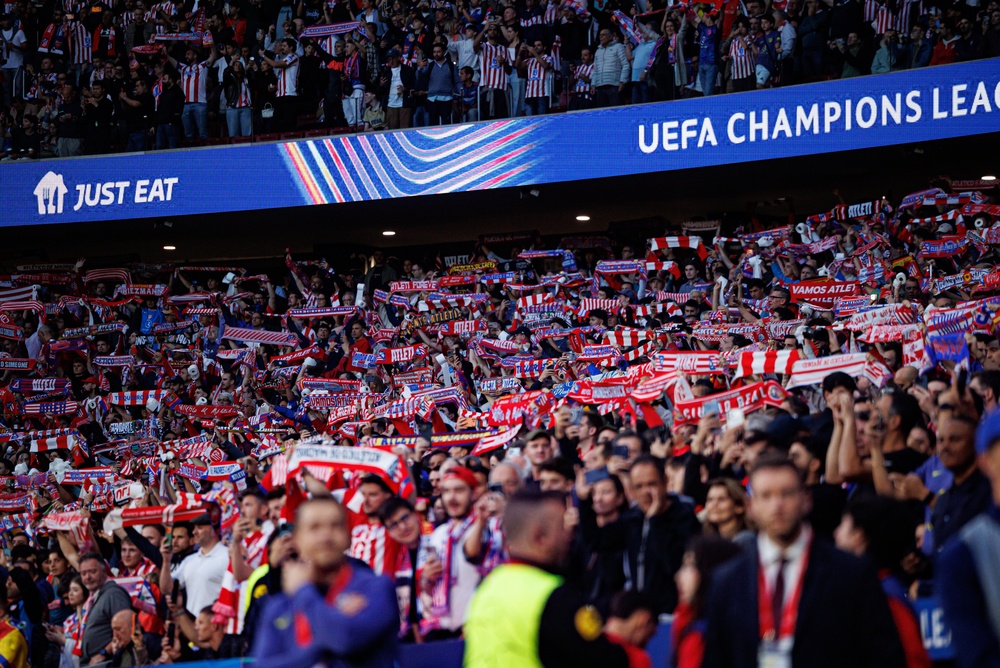
More than 60 million fans attended matches across Europe’s five major domestic leagues during the 2025/26 season, with average attendances rising 2.4 per cent to 34,402 spectators per game.

On the surface, the figures paint a picture of a healthy ecosystem. Stadiums are fuller than ever, supporters continue to attend in large numbers and live football remains one of the most compelling entertainment products in the world.

But headline crowd figures only tell part of the story.

The more revealing measure is stadium utilisation how much of a venue’s capacity is actually being filled and the structural factors influencing those numbers.

For clubs, higher attendances don’t simply mean more ticket sales. Every additional supporter creates revenue opportunities across hospitality, food and beverage, merchandise and memberships. Modern stadiums are increasingly designed to maximise revenue per visitor, making infrastructure investment as much a commercial decision as a football one.

Attendance growth needs context

In Germany, the Bundesliga reclaimed its position as Europe’s best-attended league, averaging more than 42,300 spectators per match following a 9.4 per cent increase on last year’s figures.

However, much of that growth was driven by the return of traditional powerhouses Hamburger SV and 1. FC Köln. Both clubs continued to attract crowds of more than 50,000 despite spending recent seasons in the second division.

Their promotion didn’t suddenly create new supporters.

It returned two of German football’s biggest fan bases to the top flight, demonstrating how promotion and relegation can significantly influence league-wide attendance trends.

Everton shows how new stadiums can unlock demand

While the Premier League recorded another increase in average attendance, much of that growth can be traced to Everton’s move into the new Hill Dickinson Stadium. The larger venue added almost 13,000 spectators per home match compared with Goodison Park, accounting for more than half of the league’s overall attendance growth during the season.

Rather than generating new demand, the project unlocked demand that already existed.

That distinction matters.

Attendance should be viewed alongside stadium utilisation because many clubs have effectively reached capacity.

A stadium averaging 98 per cent capacity tells a very different story to one averaging 60 per cent, even if the latter attracts more spectators overall.

High utilisation suggests strong demand, pricing power and a compelling matchday experience, while lower utilisation can indicate untapped potential or a venue unfit for its market.

Capacity is becoming a strategic issue

In competitions where grounds are regularly close to full, future growth will depend less on attracting new supporters and more on expanding or redeveloping stadiums.

Elsewhere, the opportunity lies in making better use of existing capacity.

Spain illustrates how infrastructure can also temporarily suppress attendances. Barcelona’s continued absence from the Spotify Camp Nou during its redevelopment has limited crowd numbers despite strong demand.

Real Madrid’s renovated Santiago Bernabéu, meanwhile, demonstrates how modern stadium investment can increase not only capacity but also commercial revenue through premium hospitality.

League structures also shape attendance trends

Ligue 1’s growth over recent seasons has coincided with its reduction from 20 clubs to 18, concentrating a greater number of well-supported clubs within the competition and lifting average attendances as a result.

Stadium investment, league composition, promotion and relegation, and long-term supporter culture all play a role.

Taken together, the figures suggest that attendance growth is rarely driven by a single factor.

The lesson for Australian football

Crowd figures are often viewed as the primary indicator of a league’s health, but European football demonstrates that context matters just as much as the headline number.

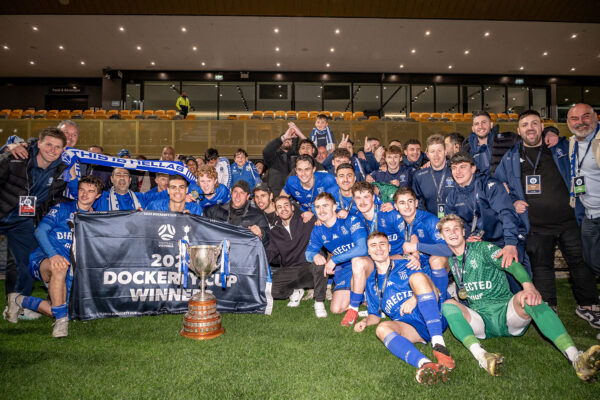
The recent Australia Cup fixture between South Melbourne and Preston Lions provides a good local example. While the official attendance was 6,673, the packed grandstands, active supporter groups and television presentation created an atmosphere that felt far larger than the raw figure suggested.

It was a reminder that fan engagement, venue utilisation and matchday experience can often say more about the health of a competition than attendance alone.

A sold-out 15,000-seat stadium may indicate stronger demand than a half-full 30,000-seat venue, while investment in infrastructure can unlock thousands of additional supporters without changing underlying interest in the game itself.

As clubs continue to invest in new stadiums and redevelop existing venues, attendance should increasingly be measured not simply by how many people are watching, but by how effectively football is meeting supporter demand.

The crowds may be rising, but the real story is why.

From Classroom to Global Football: GIS Opens New Career Path

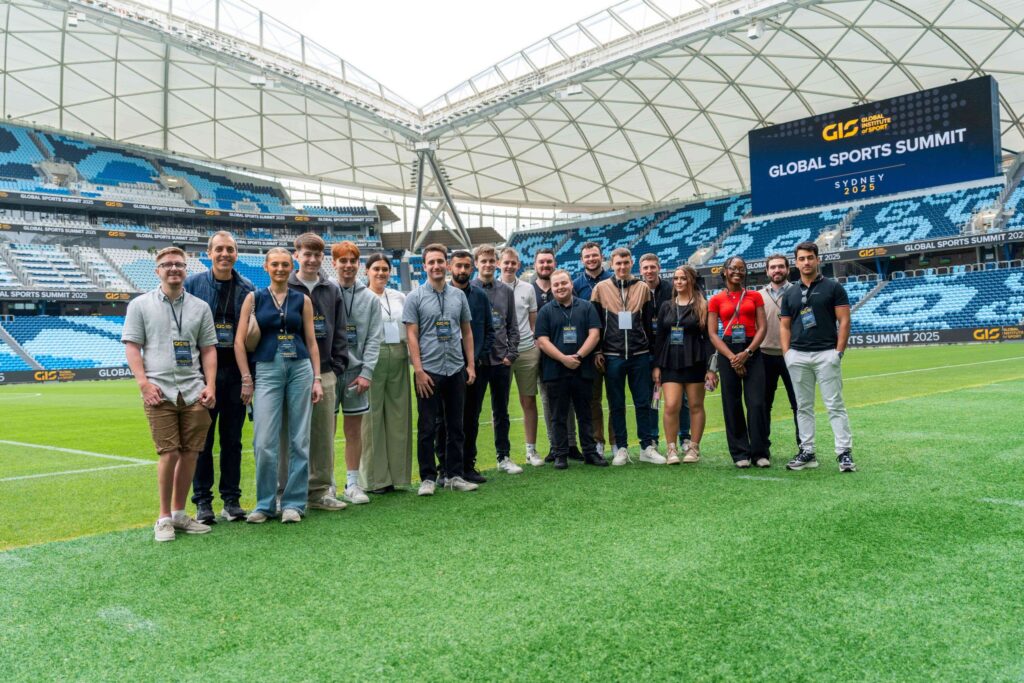
The Global Institute of Sport (GIS) has opened new opportunities for students who want to build careers in football. GIS has partnered with the World Football Summit (WFS). The partnership offers two exclusive scholarship and internship opportunities.

Students can gain practical experience while studying. They can also build industry contacts and learn how the global football business works.

Two Football Industry Roles

The first opportunity focuses on partnerships and commercial development. Students in the Partnership Executive Intern role will support WFS commercial activity. They will learn how football organisations build and manage partnerships.

The second role focuses on clubs, leagues and federations. The Club, League & Federation Relations Intern will support WFS relationships with football organisations. This includes key stakeholders inside football.

Both roles give students direct exposure to the business side of the sport.

International Experience

The placements also offer flexibility. Full-time students can complete a six-month internship or placement. WFS will tailor the experience to each student’s profile and availability.

Part-time students can complete two six-month placements. This gives them exposure to different areas of the WFS business. Students may work remotely or at the WFS headquarters in Madrid. The final setup will depend on the student and WFS requirements.

A Global Football Network

WFS has built a major international football network since its launch in 2016. The organisation has hosted events across 11 countries. More than 44,600 people have attended its events. Its network now includes more than 153,000 football industry professionals.

WFS events have also featured major football figures. These include FIFA President Gianni Infantino, Ronaldo Nazário, Rio Ferdinand, Didier Drogba and Javier Tebas. The partnership gives GIS students access to this wider football ecosystem. It also connects academic study with real industry work.

Applications Open for 2026

Applications opened on 18 August 2026. New and existing GIS students can apply. The deadline is 14 September 2026.

For students targeting careers in football business, the opportunities offer a direct route into the industry. They can develop commercial skills and can build professional networks. They can also gain experience with the relationships that drive modern football.

To learn more about the GIS scholarship program click the link here.

Most Popular Topics

Editor Picks

Send this to a friend