




UEFA Women’s EURO 2022 expected to deliver $95 million in revenue to host cities

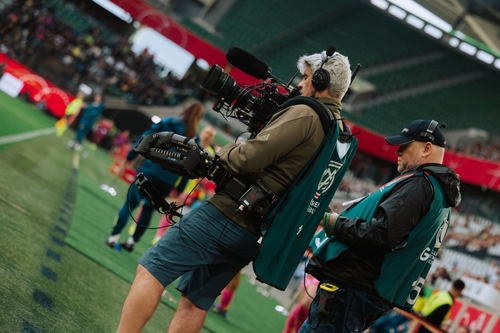
The Football Association England and UEFA have announced that the UEFA Women’s EURO 2022 tournament is set to be the biggest women’s European sporting event in history.

The Pre-tournament Impact Report, produced by EY, projected that the tournament is expected to deliver £54 million (just over $95 million AUD) in economic activity to the nine Host Cities of Brighton & Hove, London, Manchester, Milton Keynes, Rotherham, Sheffield, Southampton, Trafford and Wigan & Leigh.

The Host Cities are expecting 96,000 international visitors from 95 territories and there will be engagement from fans from all over the world as the international broadcast audience could reach over 250 million across more than 195 territories. Host cities will also see a positive socio-economic impact thanks to over 5,500 people taking part in the volunteer programme.

The report reveals ticket sales for the tournament are on track to double the attendance of the UEFA Women’s EURO 2017 in the Netherlands that welcomed just over 240,000 fans. 51% of football fans plan to attend or watch the games that will take place up and down the country across nine English cities in 10 stadiums.

Providing a platform for greater participation in the game and community engagement, the tournament also represents a huge opportunity to drive a further step change in women’s football in England.

The UEFA Women’s EURO 2022 aims to leave a lasting legacy by inspiring the next generation of players and fans, providing opportunities for more than 500,000 women and girls to participate and engage with football through focused efforts of legacy groups within each of the Host Cities, with many more additional opportunities nationally.

Baroness Sue Campbell, EURO 2022 Board Member and Director of Women’s Football at The FA, said:

“With less than 50 days to go until the Tournament gets underway, this report highlights what we can achieve with a continued focus on capitalising on the opportunities offered by UEFA Women’s EURO England 2022 and importantly how we can measure our success.

“Our aim is twofold: to deliver a record-breaking tournament and to leave a tangible legacy to grow the women’s game. By inspiring fans at home and abroad, and by committing to provide playing opportunities to girls in every school and club across the country, I am confident we can deliver on both aims.”
Previous ArticleNext Article

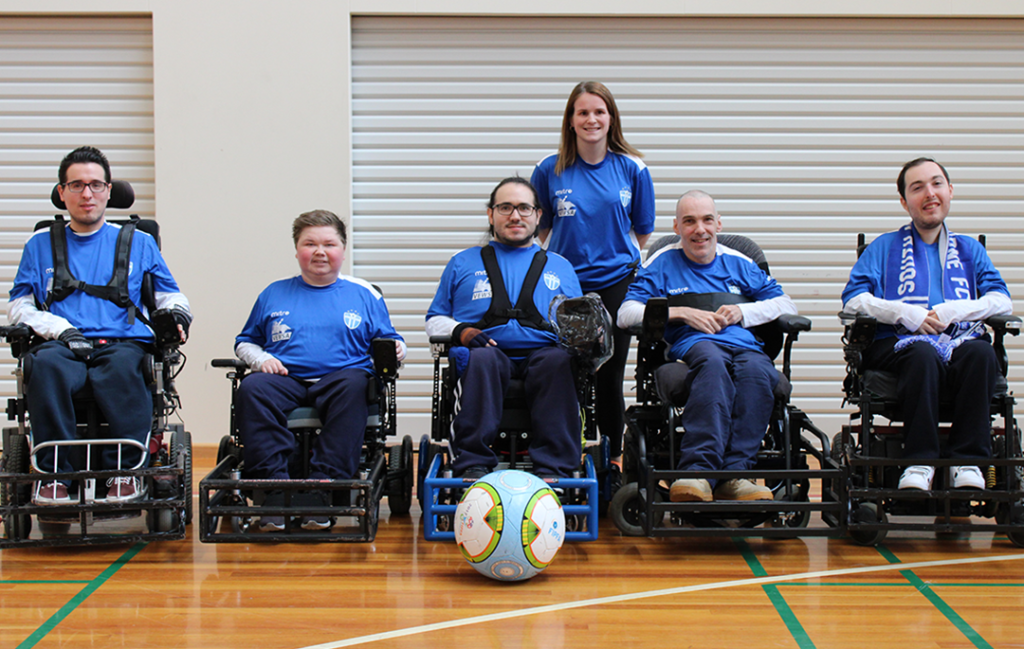
Mitre Appointed FV’s Sole Ball Supplier Across All Competitions

Football Victoria has unveiled Mitre as its exclusive official ball partner in a significant new three-year deal.

As part of the agreement, Mitre will also serve as a Bronze Partner of the FV Business League, an exclusive networking community created to support members in expanding their connections, elevating their brand, and engaging with like-minded professionals who share a passion for both football and business.

From the 2026 NPL Victoria season, clubs will play with the Mitre Ultimax Pro 26, the latest iteration of Mitre’s iconic match ball. The new Ultimax Pro features cutting-edge technology, enhanced performance, and a contemporary design inspired by the original 1995 model.

The ball incorporates a completely redesigned panel layout, engineered to deliver greater control, more accurate flight, and increased power with every strike.

The new exclusive deal reinforces the eight-year relationship between Mitre and Football Victoria, marking one of the most enduring partnerships in the industry.

FV Commercial Executive Manager, Chris Speldewinde described the agreement as a “major milestone” ahead of the 2026 season.

“Mitre has been a trusted partner of Football Victoria for many years, and this new agreement reinforces our shared commitment to elevating the game at every level,” he said via FV Official media release.

“As we move into the 2026 season, having a world-class ball partner ensures our clubs and players are equipped with the highest standards in performance.”

Director of Sportsmart Group, Gerrard Woods said Mitre was pleased to build on its long-running collaboration with FV.

“Our goal has always been to support the growth of football across the state by delivering products that players and coaches can trust at every level,” he said via press release.

In addition to Mitre’s established reseller network, clubs will be able to order match balls through a dedicated online platform designed for simple, streamlined purchasing.

Spain’s Domestic and Global Success: What can Australia Learn?

Spain has now won back-to-back UEFA Women’s Nations League titles following their decisive victory over Germany in the final on Tuesday. Goals from Vicky Lopez and Claudia Pina helped ‘La Roja’ to their third international trophy in three consecutive years, prolonging the team’s dominant status within the women’s game. The achievement not only solidifies Spain’s standing at the top of international football, but displays an essential model for other nations to follow when developing women’s football.

In Australia, as the excitement of hosting the AFC Women’s Asian Cup 2026 builds and the buzz around women’s football is reignited, looking to Spain’s investments could be the first crucial step in ensuring both short and long-term success for women’s football across the country.

International Investment

Just a week before Spain achieved its second consecutive Nations League trophy, multinational renewable energy company, Iberdrola, reaffirmed its dedication to supporting the women’s game both on and off the pitch.

Since 2016, Iberdrola has cemented its position as the main supporter of women’s football in Spain. Its partnership with the Royal Spanish Football Federation (RFEF) has led to member numbers reaching over 100,000, as well as fan attendance and viewership skyrocketing in recent years.

Television viewership has seen similar momentum, increasing by 90%. The final of the most recent European Championship against England reached a 42% audience share and peaked at almost 6.5 million viewers.

The growing number of fans attending live matches was evident at the final on Tuesday evening in Madrid, where the Riyadh Air Metropolitano witnessed a record-breaking crowd of 55,843 fans. Given that the previous record was 32,657, it is clear to see that women’s football in Spain is attracting fans on scales far beyond the numbers currently seen in the A-League Women. According to the ALW Report, the league saw an average attendance of 1,559 last season.

Although the gap may appear impossible to overcome, it shows that women’s football is more than capable of attracting crowds large enough to rival the men’s game when backed by meaningul investment.

Domestic Developments 

It is not only the national team which has seen the benefits of continued investment into women’s football over the last decade. Clubs like Barcelona have seen their women’s team achieve huge success both in La Liga and in the UEFA Women’s Champions League, winning two of the last three competitions.

However, one of the crowning achievements of the last decade for women’s football in Spain was a world record set at Barcelona’s Camp Nou in 2022, where 91,648 fans were present for a UEFA Women’s Champions League match against Wolfsburg.

Although there are few clubs on the planet with both the infrastructure and football culture to match Barcelona, it nevertheless, shows that when resources and attention are directed towards the women’s game, it can encourage success on the pitch alongside a strong community of dedicated fans off it.

The Women’s Game in Australia – Time for Change?  

Last month’s A-League Women Report, released by the PFA, underlined a desperate need for investment if the ALW is to keep pace with foreign leagues.

The report highlighted that the increasing talent drain, falling attendances and financial insecurity for players are some of the main issues negatively impacting the growth of the ALW. Following the FIFA Women’s World Cup in 2023, attendances dropped by 26%, showing a failure to capitalise on the buzz surrounding the tournament jointly hosted by Australia and New Zealand.

Furthermore, with player dissatisfaction increasing and calls to professionalise the women’s game growing louder, the need for change is becoming more and more desperate. If Australia is to ensure the sustained success of women’s football on both the international and national stage, then looking at the work of the RFEF in Spain could be a valuable first step.

How do we Move Forward?

In the last decade, Spain has shown that consistent investment into the women’s game can bring huge success both domestically and globally. Therefore, by following this example, governing bodies can see how long-term commitment and meaningful investments could improve the structure of Australia’s domestic leagues and ultimately raise the profile of Australian women’s football on the global stage.

While women’s football in Australia has reached a decisive moment, recent developments still indicate reasons to remain optimistic. CommBank’s renewed support for the Matildas ahead of the AFC Women’s Asian Cup™ due to be held in Australia in March 2026 displays their intention to continue backing the development of the women’s game.

Ensuring this support is acknowledged and then followed through after the tournament has heard the final whistle will be crucial.

Most Popular Topics

Editor Picks