
Victorian Government’s Sporting Club Grants Program applications approaching close date for 2023

Sporting Club Grants Program 2023

With the 2023 football season done and dusted, Victorian grassroots football clubs and organisations are invited to apply for the Victorian State Government’s Sporting Clubs Grants Program, with Round 1 of funding closing 4pm, Thursday October 12.

The program’s aim is developing safety and sustainability within grassroots football clubs, as well as driving social and active local communities.

The Sporting Club Grants Program (SCGP) offers grants for a few key issues including:

  • Uniforms and essential participation equipment, first-aid, and safety
  • Increasing equity, diversity, and inclusiveness
  • Create opportunities for Victorians to participate and increase participation in areas which have low participation rates.
  • Build a sporting culture which reflects the changing community needs.

Applications are only accepted from community-based organisations involved in the delivery of sport and active recreation in Victoria.

Applicants must be non-government, not-for-profit, operating in Victoria and registered as one of the following entities:

  • an incorporated association
  • a company limited by guarantee.
  • an Aboriginal and Torres Strait Islander corporation.

Eligible applicants can only submit one application in one of the following three categories:

Category 1: On-field Uniforms or Equipment

Up to $1,000 to purchase on-field playing uniforms, participation equipment for competitors and active participants, safety, injury prevention and first-aid equipment.

Category 2: Volunteers and Officials

Up to $2,000 for projects that provide improvements to volunteering and officiating.

Category 3: Access and Engagement

Up to $1,000 for tools and resources that improve accessibility, governance and strengthen engagement with members and participants, or up to $4,000 to plan and deliver a new sport or active recreation program.

Eligible applicants can submit one or more applications in the following category:

Category 4: Competitors

Up to $750 towards the costs of travel, accommodation and event registration fees for individual athletes selected to attend representative competition, selection trials or training camps. These cannot be for team travel.

Funding notes

Organisations that received a grant from the 2022-23 SCGP cannot apply for funding in categories 1, 2 or 3 are ineligible. All eligible organisations can, however, apply for category 4 funding.

The SCGP website also has walkthrough questions and guidance, to ensure your club makes the best decision for which category will best improve your club’s infrastructure. Particularly coming off the back of the success the Matildas sparked across the country, grassroots clubs are encouraged to integrate girls’ football as much as possible into the community, increasing diversity, and equality of participation.

Applicants must submit a completed online application via the Department’s Grants Portal before 4pm on 12 October 2023. Notification outcomes are to be released in December 2023.

Round 2 of the SCGP will open February 20 2024, and close March 20 2024, with notification outcomes scheduled for May 2024.

You must apply for funding within the category for which your project is supported.  Applications submitted in the incorrect category will be ineligible for funding.
To apply and for more information, click here.

Previous ArticleNext Article

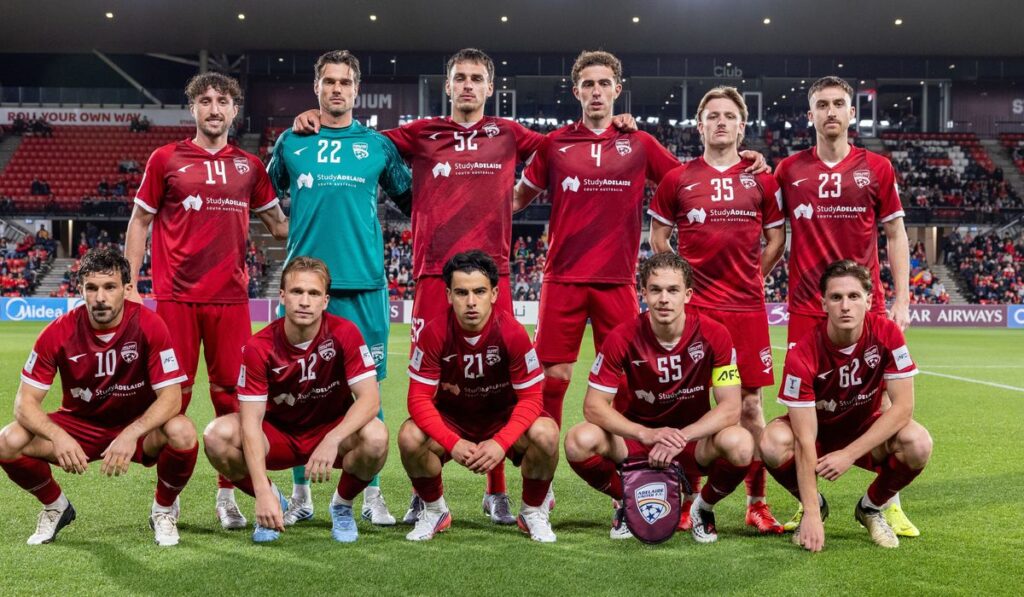
Active Club Program offers South Australian football clubs a funding boost

South Australian football clubs can tap into another round of government support, with the Active Club Program offering grants of up to $3,000 to help clubs improve participation and strengthen their local communities. The Office for Recreation, Sport and Racing (ORSR) opened its new round of funding on the 28th of August. Clubs have until midday on Wednesday, 14 October 2026 to apply.

The grassroots benefits

The South Australian Government has allocated $1.448 million to the round. Clubs with fewer than 100 members can receive $1,500. Clubs with 100 or more members can receive $3,000. The program targets grassroots sport, including football. It helps clubs purchase equipment and resources that make participation easier and more affordable.

Football clubs can use the funding for sporting equipment, uniforms and protective gear. They can also fund playing venue maintenance equipment, professional development, medical equipment and training. The program also supports projects that improve inclusion. Clubs can use grants for positive health initiatives and hardship subsidies. These measures can help remove barriers that stop people from playing sport.

That focus creates opportunities for football clubs to support more women and girls. It can also help clubs create more welcoming environments for players of different ages and backgrounds. Water and energy efficiency also form part of the program. Clubs can fund eligible initiatives that reduce water use or improve energy efficiency. That could prove particularly valuable for football clubs managing local playing venues and facilities. The program also allows minor club infrastructure upgrades and technology that directly supports participation or club sustainability.

Who is eligible?

To qualify, a club must operate as a not-for-profit sport or active recreation organisation in South Australia. It must have at least 20 members and have operated for at least 12 months.

ORSR will also consider a club’s participation profile when assessing applications. The assessment looks at female and male junior and senior participation, alongside factors such as the club’s affiliation and when it last received Active Club Program funding.

How to apply

The funding can make a direct difference at grassroots level. In the previous round, 558 South Australian clubs shared more than $1.4 million. The government says the investment helped clubs meet essential costs while supporting participation and inclusion.

For football, that support can stretch beyond the playing field. Stronger clubs create more opportunities for players, coaches and volunteers. They also provide places where people can build connections and stay active. Applications for Round 56 will be screened in November, assessed in December, with clubs notified in January 2027.

To learn more about the South Australian Active Club Program, visit their website.

Community consultation opens for Ashburton’s Warner Reserve pavilion upgrade

Community consultation has opened on the proposed redevelopment of the Warner Reserve pavilion in Ashburton. Early planning is underway to modernise the facility and improve amenities for local sporting clubs and community users.

The city of Boroondara has received $80,000 in Victorian Government funding to prepare concept designs. They will undertake community consultation as part of planning for the proposed upgrade.

While construction is currently scheduled for the 2032-33 financial year, the project could be brought forward if additional funding is secured.

The proposed redevelopment would see existing pavilion replaced with a modern facility better positioned to service the reserve. Plans include two new changerooms with toilets and showers, a multipurpose community space with a kitchen and canteen, a first aid room, umpire facilities, an externally accessible public toilet and a covered spectator viewing area.

The proposed new look pavilion at Warner Reserve. Image Credit: City of Boroondara

The concept also allows for the future addition of two extra changerooms, should participation levels continue to grow.

As part of the proposal, the existing playground would be relocated to improve visibility and open space within the reserve. Six trees identified for removal would also be replaced with new plantings elsewhere in Warner Reserve.

Residents, sporting clubs and reserve users are encouraged to provide feedback on the proposal before consultation closes on 15 September. Feedback will help refine the concept design before the project progresses to future planning and funding stages.

If delivered, the redevelopment is expected to improve facilities for local sporting clubs and community groups while providing more inclusive amenities to support growing participation across community sport.

Most Popular Topics

Editor Picks

Send this to a friend