





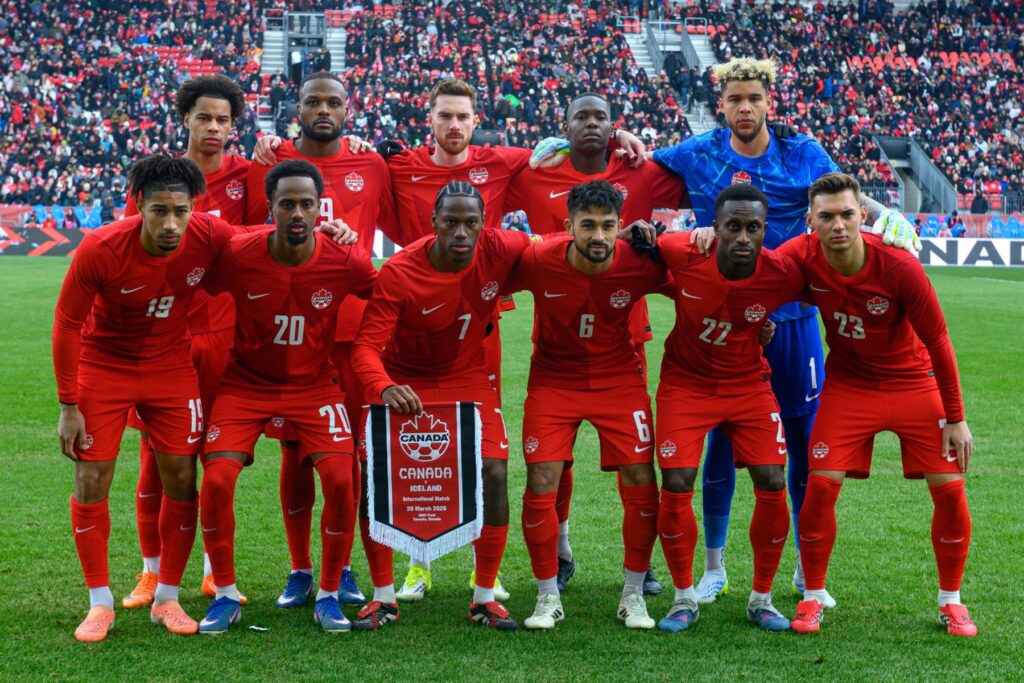
Canada Soccer to begin new National Training Centre project

Backed by the Government of Canada with an investment worth nearly AUD 10 million ($9,826,000), the project aims to establish a world-class facility for athletes, coaches and communities.

Building the sport and community

The investment comes as part of the Build Communities Strong Fund (BCSF), an ambitious program of the Government of Canada which will provide AUD 51 billion ($51 billion) to infrastructure projects over 10 years.

However, the Canada Soccer Training Centre is one key project which will benefit from such substantial investment. But the project isn’t just for future players – it will help boost economic activity and create a facility built for excellence and growth.

“It is about creating a world-class sport facility where athletes can train and represent Canada at their best,” explained Secretary of State (Sport), Honourable Adam van Koeverden, via press release.

“From the playground to the podium, it is projects like this that provide athletes, coaches, local families and communities with vibrant, accessible spaces to fuel participation, connection, and a growing passion for sport.”

President of Canada Soccer, Peter Auguros, further expressed his gratitude for the investment and what it could bring future generations.

“This support reflects a shared belief in the power of sport to strengthen communities and develop the next generation of Canadian talent. We are proud to partner in building infrastructure that will benefit our athletes and help shape the future of the sport in Canada.”


Growth gains momentum

With the FIFA World Cup 2026 set to kick off in a few short weeks, Canada Soccer’s plan for a National Training Centre Project is symbolic of long-term vision.

The tournament is not a final flourish, but a stepping stone to accelerated growth.

And this is not a short-term setup.

As President of Concacaf and Vice-Preisdent of FIFA, Victori Montagliani explained, this is a project designed to survive for generations.

“The development of a National Training Centre in Canada represents an important legacy project for the country and it is always a positive sign when our members invest in infrastructure across the region.”


Final thoughts

The project, therefore, perfectly aligns a growing buzz for football across the region with intentional investment and ambition.

And although the action must eventually stop on the pitch, Canada Soccer are ensuring that growth continues long after the tournament’s final whistle.


Previous Article

Female Referee Mentor Program backed by Football Australia

Football Australia (FA) launched the program last week, aiming to champion the next generation of female referees through connections with experienced officials.

Investing in the future

Backed with investment from the Australian Government’s ‘Play Our Way’ grant, FA’s Ref Our Game framework will pair future referees with current and former A-League officials.

Through one-on-one mentorship, development opportunities and a network of experienced professionals, aspiring female referees will have unique insights into match officiating.

“Football Australia has always been a leader in inclusion, setting a global standard for female leadership and development,” said Football Australia CEO, Martin Kugeler, via press release.

“This program reflects a strong commitment to building a more inclusive and sustainable officiating pathway and creating a meaningful connections, increasing confidence and ensuring talented female referees feel supported to stay in the game.”

Furthermore, with the launch coinciding with Female Football Week (running from May 8 to May 18), the program represents a wider drive in Australia’s football landscape to become inclusive and supportive.


About the program

Focused on future referees within the 18-26 age bracket, the program will give participants a deep understanding of match officiating and equip them with both confidence and expertise.

Each participant will benefit from six mentor sessions, which will include individual feedback, guidance and insights into the life of a referee in elite sport.

Combining leadership, communication and a real sense of belonging, the program promises to nurture new female referees and, as a result, ensure football remains a sport in which men and women can participate side-by-side.

“The Albanese Government’s $200 million Play Our Way program is the most significant commitment ever to women and girls sporting programs and facilities and it’s making a real difference,” explained Minister for Sport, Anika Wells.

“We want to see more girls and women involved in sport at every level and supporting programs like this helps make that happen.”

Indeed, programs of this nature align ambition, professional networks, and a vision for improving the landscape.

This is what the industry needs to ensure long-term inclusivity and cohesion for the next generation.

Football NNSW Releases Infrastructure Strategies as Participation Growth Outpaces Facilities

Northern NSW Football has unveiled bespoke infrastructure strategies for each of its seven member zones, providing an evidence-based roadmap for facility investment across the region as continued participation growth exposes critical gaps in the sporting infrastructure available to support it.

The Member Zone Infrastructure Strategies draw on data across participation rates, population growth and existing facility conditions to map what each zone has, what it needs and where investment will have the greatest impact. Identified gaps include drainage, lighting and inclusive changerooms – the foundational infrastructure that determines whether facilities are functional, safe and accessible year-round.

NNSWF Government Relations Manager Gary Fisher said the strategies represented a significant step toward smarter, more targeted investment across the region.

“By bringing together key data on participation, population growth and existing infrastructure, these strategies give us a stronger understanding of where the needs are greatest and where investment will have the most impact,” Fisher said. “Ultimately we want to create more inclusive and accessible environments for everyone involved in the game while building stronger, more sustainable clubs and communities for the future.”

Northern NSW Football has previously noted that participation across the region is at record levels and still rising, with women’s and girls’ football a significant driver of that growth. Infrastructure that was built for a smaller and less diverse participation base is increasingly unable to meet current demand, let alone accommodate future growth.

The strategies are also designed to strengthen NNSWF’s alignment with government funding priorities, providing the evidence base needed to support grant applications and long-term facility planning across all seven zones.

Most Popular Topics

Editor Picks

Send this to a friend