
ALDI MiniRoos Kick-Off Program Summer Grant offered to Football New South Wales clubs

Football NSW is excited to offer a $500 Summer Grant for Football NSW affiliated Grassroots Clubs to conduct their first ALDI MiniRoos Kick-Off Program of 2019 during this year’s Post-Season (between October – December 2019).

A statement from the Football New South Wales can be found here:

The ALDI MiniRoos Kick-Off Summer Grant is designed to assist Football NSW’s member clubs establish a new, fun and engaging program within the community leading into the 2020 Football Season.

What is ALDI MiniRoos Kick-Off?

  • A fun, introductory program taught in a supportive environment for boys and girls aged between 4 and 9 years old;
  • Weekly sessions that build skills through progressive games, and focus on fundamental movement skills;
  • Program delivery in a safe, engaging and inclusive environment;
  • All new participants receive an ALDI MiniRoos Participant Pack, which includes a Hyundai A-League or Westfield W-League boot bag, ALDI MiniRoos football, shin pads, water bottle and a sticker sheet

Benefits of running an ALDI MiniRoos Kick-Off Program

  • Attract new players to your club in a National Program
  • Provide a positive experience to help kids develop social and fundamental skills
  • Receive a Deliverer Kit (balls, goals, cones, bibs);
  • Administrative support from your MiniRoos Development Officer

Football NSW Summer Grant eligibility:

  • The club must not have run an ALDI MiniRoos Kick-Off program during the 2018 – 2019 year.
  • Have access to appropriate space to host an ALDI MiniRoos Kick-Off Program
  • Time to commit to managing the program in its entirety with support from your MiniRoos Development Officer
  • Passion to work with children, parents and coaches
  • Passion for Football!

Football NSW MiniRoos Kick-Off – Summer Grant is limited in places and based around a first come, first serve basis depending on Football NSW eligibility.

If you are interested in establishing an ALDI MiniRoos Kick-Off program or submitting an expression of interest please contact Cameron Whitton – Game Development Officer, MiniRoos – cameronw@footballnsw.com.au.

Previous ArticleNext Article

South Canberra FC Breaks the Mold: Equity-Driven Model Earns ‘Club Changer’ Honour

South Canberra Football Club has been named Club Changer of the Month for April, in a recognition that reflects a broader shift across Australian football toward rewarding clubs that are actively dismantling the structural barriers limiting women’s access to the game.

The AFC Women’s Asian Cup has just delivered record crowds and unprecedented visibility for women’s football in Australia, and the Club Changer program is now asking what comes next. Its decision to name South Canberra Football Club as Club Changer of the Month for April signals a clear shift in how the program defines contribution: away from participation numbers alone, and toward the equity frameworks that determine whether women stay in the game once they arrive.

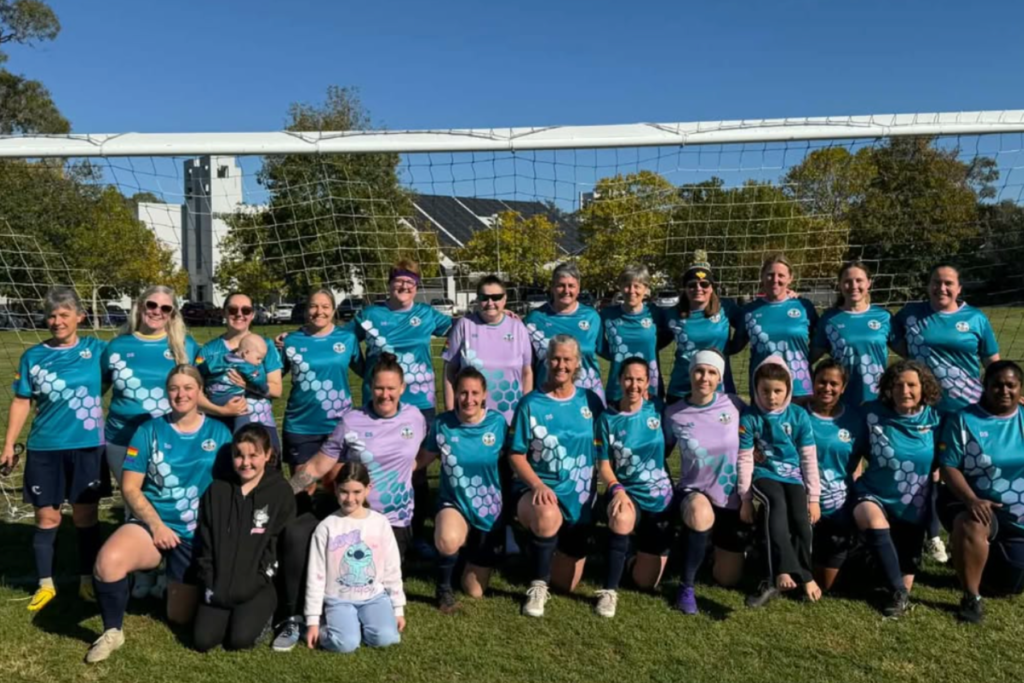
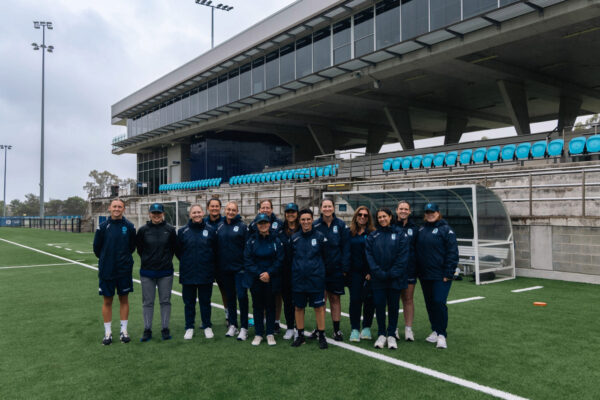
South Canberra FC built that framework from the ground up. Established in 2021, the club set out to give women and female-identifying players a safe, inclusive environment to play football at any level. It runs entirely on volunteers, operates as a not-for-profit, and is governed by an all-female committee with 13 of its 14 coaches identifying as female.


Building the infrastructure of inclusion

In 2026, the club secured grant funding and put it to work immediately. Two coaches are completing their C Licence qualification, and ten coaches, players and community members have undertaken the Foundations of Football course, which directly tackles the cost and accessibility barriers that exclude women out of coaching pathways.

The club also commissioned a female-specific strength and conditioning program with sports physiotherapists ahead of the 2026 season, targeting injury prevention and explicitly supporting players returning after childbirth.

SCFC’s leadership team draws from LGBTIQ+ individuals, First Nations people and veterans, strengthening the club’s connection to the communities it was built to represent.

The Club Changer program is backing clubs that do this work- clubs that treat equity as infrastructure rather than aspiration. At a moment when Australian football is under pressure to turn its biggest-ever surge of women’s interest into something lasting, SCFC’s model offers a clear answer to the question of how.

Football NSW announces 2026 First Nations Scholarships as pathway access program enters new phase

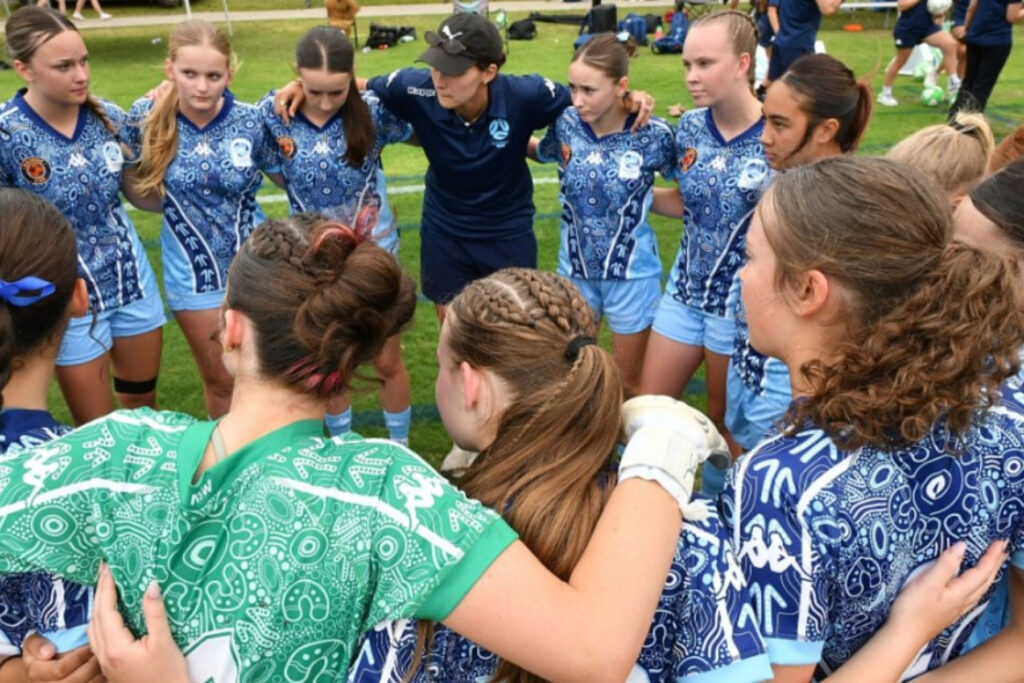
Football NSW has announced the recipients of its 2026 First Nations Scholarships, with ten emerging Aboriginal and Torres Strait Islander players from metropolitan and regional NSW receiving support designed to reduce the financial and structural barriers that have historically limited First Nations participation across the football pathway.

The scholarship program, developed and assessed in collaboration with the Football NSW Indigenous Advisory Group, targets players across both elite and development environments – recognising that talent identification alone is insufficient without the resources to support progression once players are identified.

Co-Chair of the Indigenous Advisory Group Bianca Dufty said the calibre of this year’s recipients reflected the depth of First Nations football talent across the state, and the importance of structured support in converting that talent into long-term participation.

“Their dedication to football and the desire to be role models for younger Aboriginal footballers in their communities is to be celebrated,” Dufty said. “I’m confident we will see some of these talented footballers in the A-League and national teams in the future.”


Beyond the pitch and into the pipeline

The 2026 cohort spans both metropolitan clubs and regional associations, an intentional distribution that acknowledges the particular barriers facing First Nations players outside major population centres, where access to development programs, qualified coaching and pathway competitions is more limited and the cost of participation more prohibitive.

The next phase of the program will introduce First Nations coaching scholarships, extending the initiative’s reach beyond playing pathways and into the coaching and administration pipeline – areas where Indigenous representation remains among the lowest in the game.

The structural logic is clear. Scholarships that reduce financial barriers at the entry point of elite pathways matter most when they are part of a sustained ecosystem of support rather than isolated gestures. Football NSW’s collaboration with the Indigenous Advisory Group provides that continuity, ensuring the program is shaped by the communities it is designed to serve.

Most Popular Topics

Editor Picks

Send this to a friend