




Football NSW announces 2026 First Nations Scholarships as pathway access program enters new phase

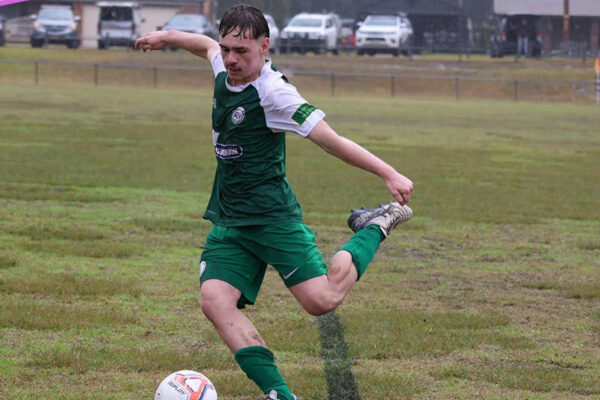
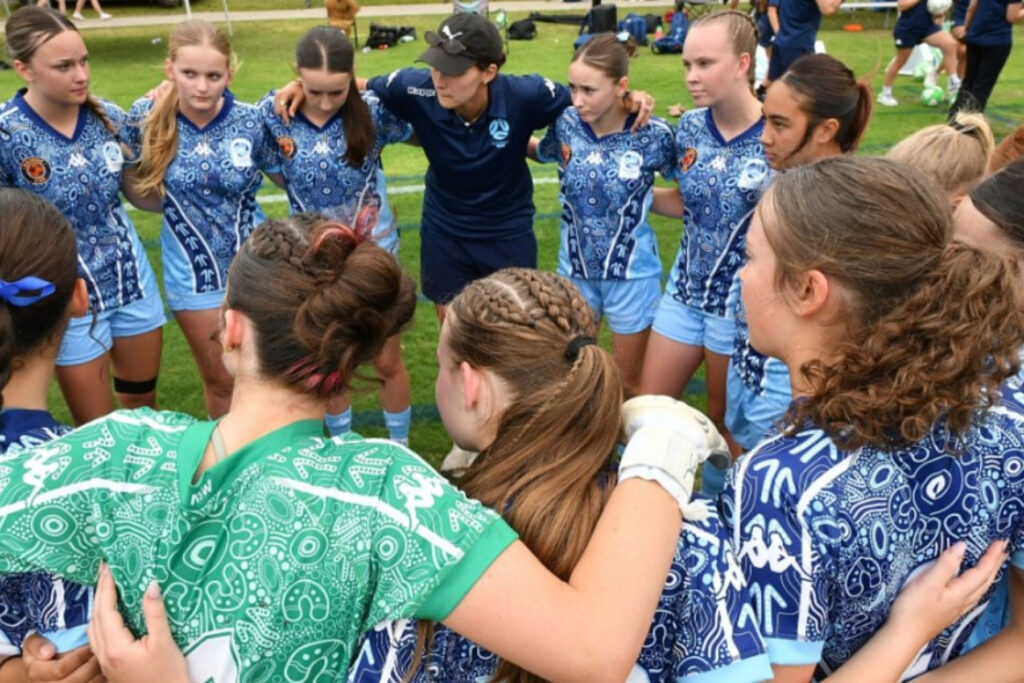
Football NSW has announced the recipients of its 2026 First Nations Scholarships, with ten emerging Aboriginal and Torres Strait Islander players from metropolitan and regional NSW receiving support designed to reduce the financial and structural barriers that have historically limited First Nations participation across the football pathway.

The scholarship program, developed and assessed in collaboration with the Football NSW Indigenous Advisory Group, targets players across both elite and development environments – recognising that talent identification alone is insufficient without the resources to support progression once players are identified.

Co-Chair of the Indigenous Advisory Group Bianca Dufty said the calibre of this year’s recipients reflected the depth of First Nations football talent across the state, and the importance of structured support in converting that talent into long-term participation.

“Their dedication to football and the desire to be role models for younger Aboriginal footballers in their communities is to be celebrated,” Dufty said. “I’m confident we will see some of these talented footballers in the A-League and national teams in the future.”


Beyond the pitch and into the pipeline

The 2026 cohort spans both metropolitan clubs and regional associations, an intentional distribution that acknowledges the particular barriers facing First Nations players outside major population centres, where access to development programs, qualified coaching and pathway competitions is more limited and the cost of participation more prohibitive.

The next phase of the program will introduce First Nations coaching scholarships, extending the initiative’s reach beyond playing pathways and into the coaching and administration pipeline – areas where Indigenous representation remains among the lowest in the game.

The structural logic is clear. Scholarships that reduce financial barriers at the entry point of elite pathways matter most when they are part of a sustained ecosystem of support rather than isolated gestures. Football NSW’s collaboration with the Indigenous Advisory Group provides that continuity, ensuring the program is shaped by the communities it is designed to serve.

Previous ArticleNext Article

Blacktown District Soccer Football Association Launches Youth League and Poaching Program

Blacktown District Soccer Football Association has outlined a package of initiatives for the 2026 season centred on youth development, coach education and the celebration of female participation, as the Western Sydney association moves to raise standards across community football and strengthen pathways into state-level competition.

The centrepiece of the association’s development agenda is the Blacktown Youth Development League, a new competition structure spanning all youth Division One competitions in the Under-13 to Under-18 age groups, including Phoenix League female competitions involving both BDSFA and GDSFA clubs. The league applies a benchmarking framework adapted from Football NSW‘s junior competition standards, with clubs encouraged to implement structured training environments including a minimum of two sessions per week where possible.

BDSFA General Manager Owen Liiv said the initiative responded to clear demand from within the football community for more substantive development environments.

“It is pretty clear that people want more and better football experiences,” Liiv said. “The measure for us is high-quality youth football competitions within Blacktown and ultimately, stronger performances in state-wide competitions such as the Football NSW State Cup or Football NSW Champion of Champions.”

The referees branch will support the league by prioritising Division One fixtures and providing three-person match control where available, an operational commitment that acknowledges the role officiating quality plays in the overall development environment.

The Managerial Infrastructure

Running alongside the youth competition is a free coach education program, with Foundation of Football courses delivered across BDSFA’s 24 member clubs by permanent association staff. With more than 1,000 registered coaches across the district, BDSFA has set a target of 85 percent achieving Foundation of Football accreditation within three years. Removing cost as a barrier to accreditation is a deliberate structural choice, reflecting growing recognition across Australian football that coaching quality at community level is inseparable from participation outcomes.

The association also launched Female Football Week with a “Cocktails on the Pitch” event at Blacktown Football Park, attended by close to 100 players, coaches, referees, administrators and volunteers. Former Matilda Leah Blayney addressed the gathering, speaking about her pathway from Wentworth Falls to international football. BDSFA has indicated the event is likely to become an annual fixture on the association calendar.

Taken together, the initiatives reflect an association investing deliberately in the structural conditions that determine whether community football grows sustainably rather than opportunistically.

Isabella Mossin awarded Ninja A-League Women Referee of the Year

The youngest recipient since its inception, Mossin will officially receive the award after leading the Ninja A-League Grand Final 2026 on Saturday.


A rapid rise

After debuting in 2023, Mossin has quickly proved quality, composure and confidence as a referee in the Ninja A-League.

As a result of the achievement, Mossin will be the appointed referee for this weekend’s Grand Final between Melbourne City FC and Wellington Phoenix.

After beginning in the North West Sydney Football Association, Mossin then honed her craft with the Football NSW Referee Academy, a journey with foundations truly embedded in youth development and grassroots football.

Thus, Mossin is not just am individual success story, but a symbol of what institutional investment and opportunities can do for young women looking for a pathway to the game.


Celebrating success

The plaudits, unsurprisngly, are arriving from across Australia’s football landscape, with many emphasising the incredible standards set by Mossin since her debut just three years ago.

“This award is testament to Isabella’s hard work and dedication to refereeing, and a great reflection of the next generation of referees coming through the system in Australia,” said A-Leagues CEO, Steve Rosich.

“At just 25 years of age, she has consistently demonstrated composure, leadership, strong decision-making and the ability to perform under pressure in some of the biggest matches in the competition,” highlighted Football Australia Head of Referees, Jon Moss.

“Having someone refereeing their first Ninja A-league Women’s Grand Final at the age of 25 years should inspire all girls and young women referees (and potential referees) and show them that age is not a barrier to talent being recognised within Football Australia refereeing,” said Chair of Football Australia Referee Committee, David Elleray.

Given Mossin’s reputation and experience already at the top level of women’s football in Australia, there is no doubt that she will rise to the occasion this Saturday.

Most Popular Topics

Editor Picks

Send this to a friend