

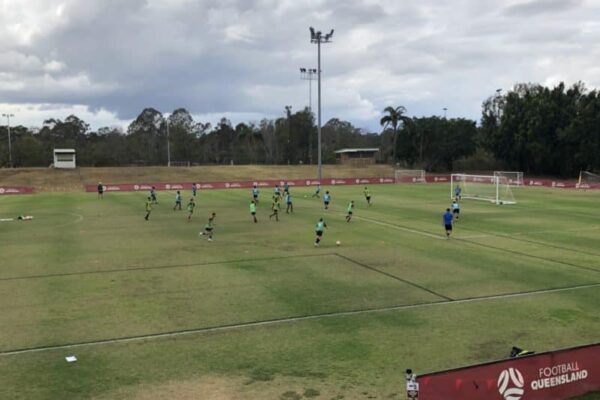


Football Queensland TV sees record viewership growth in 2024

Football Queensland’s digital broadcasting platform, FQTV, has achieved remarkable growth in 2024, viewership across all competitions increased by 23%, with an additional 315,000 viewers tuning in to Queensland football content.

The platform’s success has been particularly evident in women’s football, which experienced an extraordinary 113% surge in viewership, attracting 118,000 new viewers. This growth aligns with Queensland’s record-breaking 44% increase in female participation for 2024.

FQTV’s Match Centre remains the primary platform for streaming Queensland’s major football competitions, including the National Premier Leagues Queensland, Football Queensland Premier League, and various statewide tournaments.

Football Queensland CEO Robert Cavallucci highlighted the significance of this achievement.

“This year’s viewership surge is a testament to the growing demand for local football content as FQ recorded an additional 315,000 viewers tuning in to watch Queensland’s football action on FQTV, demonstrating the expanding reach and increasing interest in high-quality, community-driven football,” he said via FQ press release.

“Through the streaming of matches on FQTV’s Match Centre, clubs gain exposure to a much larger audience, which is key to strengthening community and commercial ties and is an invaluable tool for clubs to showcase their on-field talent, captivate new supporters to boost matchday attendances, and increase sponsorship value and opportunity.”

The platform has also seen significant growth in regional football coverage, expanding its streaming services to include more matches from the Kappa Pro Series and statewide Kappa Queensland Cup.

Looking ahead to major sporting events, including the AFC Women’s Asian Cup Australia 2026™ and Brisbane 2032 Olympic Games, Cavallucci emphasised the platform’s role in capitalising on football’s growing momentum.

“With the excitement following the FIFA Women’s World Cup 2023™ and upcoming events such as the AFC Women’s Asian Cup Australia 2026™ and the Brisbane 2032 Olympic Games, local clubs now have an unprecedented opportunity to capitalise on this momentum,” he added via FQ press release.

FQTV’s Match Centre’s increased viewership is a strong indicator for the growing support local football is receiving from their fan base in Queensland. Local football has been struggling for recognition in Australia and this data proves that the sport’s growth opportunity is there.

With the coming second tier in 2025, the Australian football pyramid is gaining community and financial support.

This news from one of Australia’s strongest footballing states only strengthens the popularity for the sport and its justified call for support to develop.
Previous ArticleNext Article

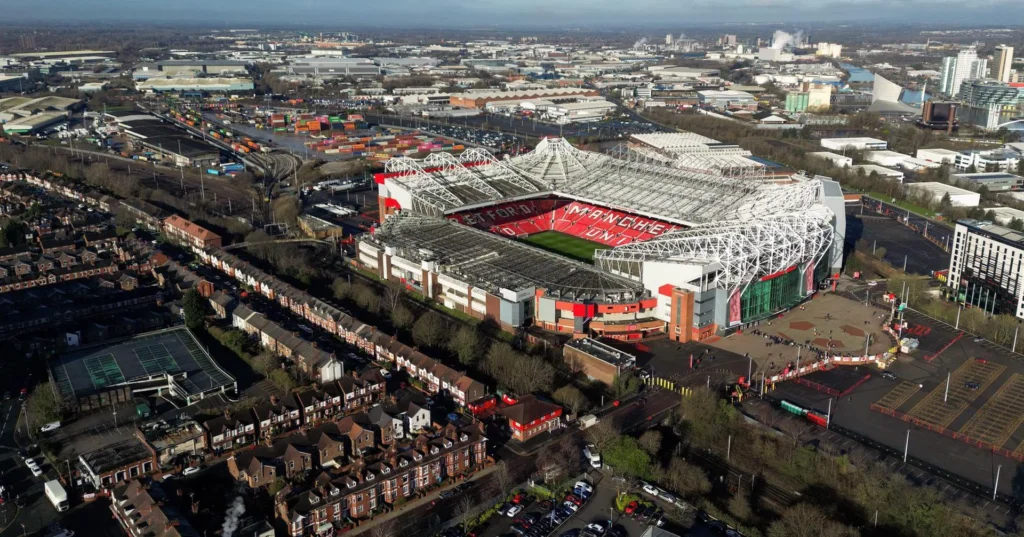
Beyond Old Trafford: How Manchester United’s new stadium could reshape an entire district

Manchester United’s proposed new 100,000-seat stadium is more than a replacement for Old Trafford.

It’s the centrepiece of one of the most ambitious urban regeneration projects ever planned by a football club.

Unveiled in March by architects Foster + Partners, the concept would see a new stadium built adjacent to Old Trafford, just 350 metres from the existing ground.

Supported by Trafford Council, the Greater Manchester Combined Authority and Old Trafford Regeneration Mayoral Development Corporation the proposed development aims to transform the area surrounding the stadium into a thriving mixed-use precinct featuring housing, commercial space, public transport improvements and new public amenities.

While the stadium dominated headlines, the broader vision is about much more than just football.

Once complete, the new venue would become the largest club football stadium in the UK, increasing capacity from around 74,000 to 100,000 spectators.


More than just a stadium

However, the stadium is only one piece of a much larger plan.

Foster + Partners vision includes new homes, offices, hotels, retail and hospitality spaces, green public areas and improved pedestrian links.

They believe this “mixed-use” destination will attract visitors throughout the year and create a “vibrant destination” for tourists and visitors from across the world.

The proposal also places a strong emphasis on sustainability, with plans for a walkable precinct supported by public transport, rainwater harvesting and renewable energy technologies integrated into the stadium’s distinctive canopy design.


A major economic opportunity

The broader regeneration has been positioned as a major economic opportunity for Greater Manchester.

An independent study conducted by Oxford Economics found that the stadium and regeneration project could contribute approximately $15 billion to the UK economy.

In addition, the project would also support around 92,000 jobs while creating more than 17,000 new homes and attracting an additional 1.8 million visitors yearly.

Those figures remain projections rather than guaranteed outcomes, but they have become central to the club’s case for the redevelopment.


Connecting United to a Wider European Trend

A key component of the proposal is improving transport connections around Old Trafford

The British Prime Minister Andy Burnham described the project as significant opportunity for the region, with investment in rail, Metrolink and surrounding infrastructure viewed as essential to unlocking the wider regeneration potential.

The plan also includes greater pedestrian accessibility, to integrate the stadium district with surrounding communities.

Manchester United’s proposal reflects a broader trend across Europe football.

Stadium developments are increasingly viewed as catalysts for urban renewal and economic development, rather than standalone sporting venues.

Projects such as Tottenham Hotspur Stadium, Everton’s new waterfront home and Real Madrid’s redevelopment of the Bernabeu have demonstrated how modern stadiums can generate revenue through hospitality, entertainment and commercial activity beyond football.


Transforming Old Trafford

Despite support for the proposal, significant hurdles remain before construction can begin.

Funding arrangements, planning approvals and major infrastructure upgrades will all need to be finalised before construction can begin.

If delivered, the project would represent one of the largest football-led regeneration projects ever undertaken in the UK.

The project would transform not only where Manchester United plays, but how the wider Old Trafford district lives, works and grows.

Google expands football footprint with AI partnerships at five European giants

Google has announced long-term partnerships with five of Europe’s biggest football clubs.

Expanding the role of artificial intelligence in fan engagement through collaborations with Arsenal, Barcelona, Bayern Munich, Liverpool and PSG.

Google Gemini will become each club’s official consumer AI Partner, while Google Pixel will serve as the official smartphone partner.

The partnerships are designed to deliver AI-powered match insights, personalised fan experiences and exclusive behind-the-scenes content across the clubs’ digital platforms.

Supporters will be able to use Gemini to access tactical insights, historical statistics and match analysis while Pixel devices will be used by club media teams to capture content through the company’s “Shot on Pixel” initiative.

A key component of the partnership is the commitment to increasing the visibility of women’s football.

Google confirmed the agreements cover both men’s and women’s teams, with AI tools and Pixel technology set to help produce content and expand the reach of the women’s game through club media channels.

The announcement continues Google’s growing investment in football technology.

Google initially had individual agreements with several of the clubs, including PSG and Liverpool.

By bringing the partnerships together under the Gemini and Pixel brands, Google is positioning artificial intelligence as a core part of the modern football fan experience rather than simply a commercial sponsorship.

For football clubs, the collaboration highlights a broader industry trend towards technology partnerships that extend beyond branding.

AI is increasingly being used to produce personalised content, deliver deeper match analysis and strengthen engagement with large global audiences.

Clubs continue to invest in these growing digital platforms alongside their traditional commercial portfolios.

The partnerships also reinforce the growing intersection between football and technology, with leading clubs increasingly working alongside global technology companies to enhance supporter experiences and explore new ways of connecting with fans on matchday and beyond.


Most Popular Topics

Editor Picks

Send this to a friend