

FIFA has multiple bids to consider for 2023 Women’s World Cup

FIFA the global governing body for football has received four bids from those looking to claim hosting rights for the 2023 Women’s World Cup.

Having recently seen Football Federation Australia (FFA) and Football Ferns (New Zealand) join forces to host the prodigious tournament, it won’t be the only bid that FIFA have to consider.

They have received bids from the Brazilian Football Association (CBF), the Colombian Football Association (FCF), and the Japan Football Association (JFA).

With FIFA confirming that the submission deadline of December 13th has passed, they will start to undergo an inspection of each country through a visit between January and February 2020. A final decision is expected to be made at a FIFA Council meeting in Ethiopia’s capital city of Addis Ababa in June 2020.

While FIFA saw a record number of nine nations including Argentina, Bolivia, South Africa and Korea put themselves forward as potential hosts for the 2023 event, only four in total were accepted after FIFA updated their hosting requirements which lead to a reopening of the bidding process earlier this year.

For the joint bid between Australia and New Zealand, the countries’ federations have planned for the 2023 Women’s World Cup to be held in 12 cities combined, with seven from Australia and five in New Zealand.

“Australia and New Zealand have a successful history of both staging and co-hosting major international sporting events – most recently the Rugby League World Cup 2017 and the Cricket World Cup 2015,” said Richard Colbeck, Australia’s Minister for Youth and Sport.

“By hosting such a premier sporting event, we strengthen Australia’s reputation as a world leader in women’s sport.”

FIFA President Gianni Infantino has already announced an increase of participating teams in the next Women’s World Cup from 24 to 32 and spoke about the success of the last tournament in France.

“France 2019 was certainly a watershed moment for women’s football, and now it is FIFA’s responsibility to take concrete measures to keep fostering the game’s incredible growth,” he said.

“With the FIFA Women’s World Cup generating an unprecedented interest across member associations, we are ensuring that the process to select the hosts is seamless, objective, ethical and transparent. By the time the FIFA council announces the hosts, there should be no doubt whatsoever as to why that choice was made.”

 

Previous ArticleNext Article

APL and PFA remain without agreement as bargaining tensions continue

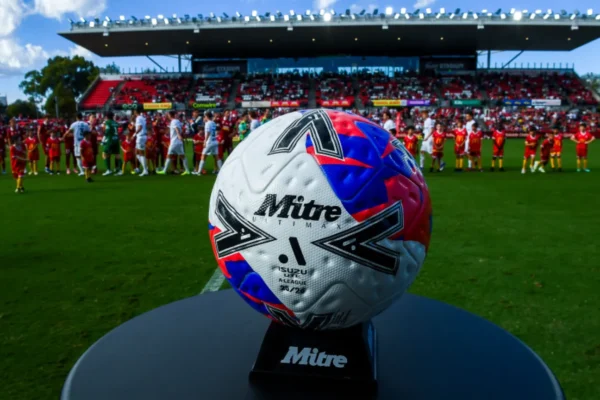
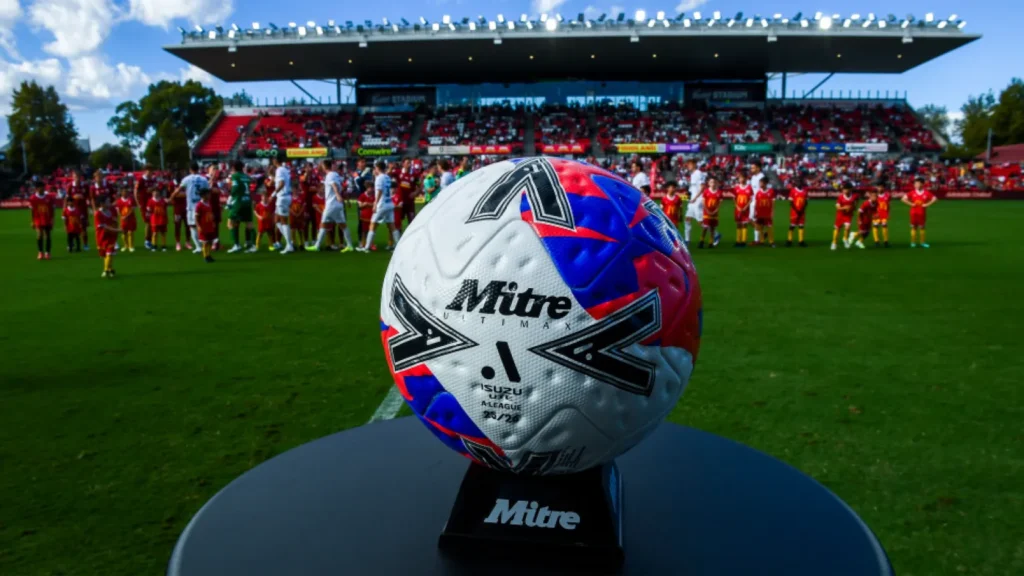
The Australian Professional Leagues (APL) and Professional Footballers Australia (PFA) remain without a new collective bargaining agreement, with negotiations continuing less than three months before the start of the 2026–27 A-Leagues season.

The APL presented the players’ union with a new one-year interim proposal on August 5, which included an increase to the A-League Women salary cap and a commitment to establish a pathway towards full-time professionalism for the women’s competition within 12 months.

The proposed agreement would provide an interim framework while the two parties continue discussions over a longer-term collective bargaining agreement.

APL chief executive Steve Rosich said the proposal reflected the league’s commitment to reaching a sustainable agreement with players following eight months of negotiations.

However, the PFA criticised the APL for publicly announcing the proposal shortly after presenting it to the union, arguing that the approach had further damaged trust between the two parties.

PFA Chief Executive Beau Busch also said players had overwhelmingly rejected the APL’s previous final offer, citing a lack of trust in the league’s ability to ensure its future.

Full-time professionalism for the A-League Women remains a key priority for the PFA, with players seeking improved conditions and greater investment in the competition.

The A-League Men and A-League Women seasons are both scheduled to begin on 16 October 2026.

With the new season approaching, both parties face pressure to resolve the dispute and establish the framework governing player conditions across the A-Leagues.


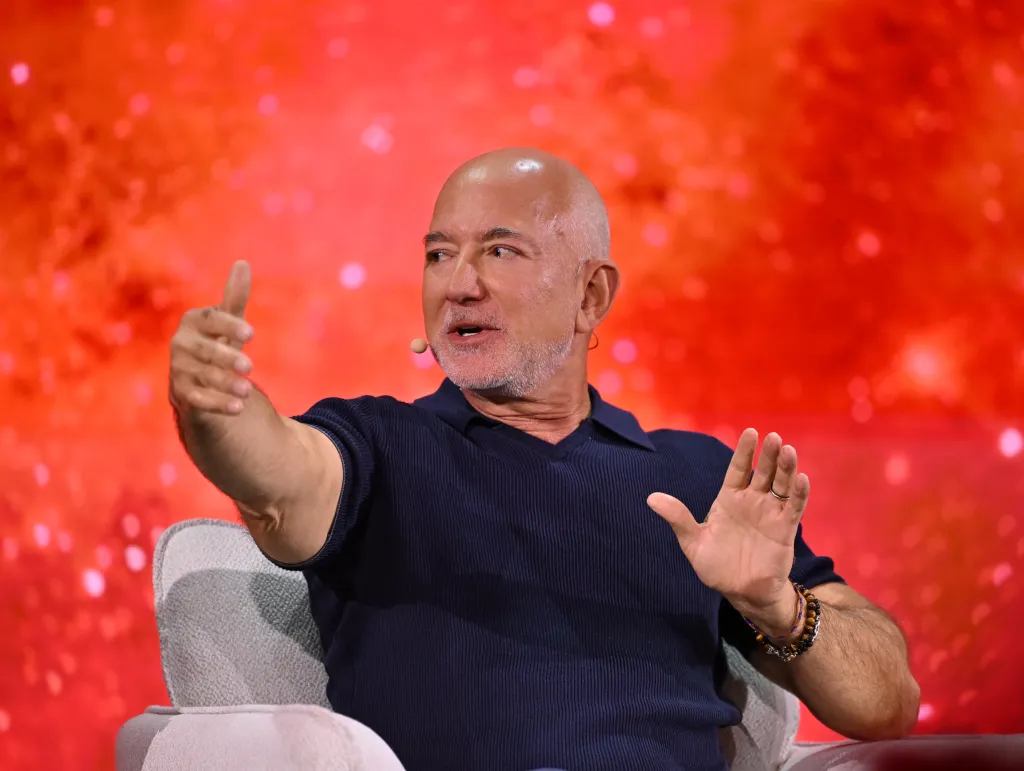
Jeff Bezos consortium set for $2.7 billion Liverpool investment

Liverpool could soon welcome one of the world’s richest men into its ownership structure.

Amazon founder Jeff Bezos is part of a consortium in advanced talks to buy a 30% stake in the club.

The proposed deal values Liverpool at around $8.6 billion (4.5 billion pounds). Bezos has a personal fortune estimated at $363 billion.

The investment would give Fenway Sports Group (FSG) a major financial return. It would also allow FSG to keep control of the club, which they bought in 2010.

The proposal has attracted attention across football. It has also created concern among sections of the Liverpool fanbase.

FSG set for major return

FSG bought Liverpool for $573 million (300 million pounds) in 2010. The ownership group later provided further funding through loans. In the last 16 years, the club has undergone major growth.

Liverpool ended a 30-year wait for a league title in 2020. The club also won the Champions League in 2019. Another Premier League title followed in 2025.

Stadium redevelopment and a new training centre have also increased the club’s value. FSG could cash in on $2.7 billion (1.4 billion pounds) if the 30% share is sold.

The deal would therefore represent a huge return on its original investment. However, whilst the investment would provide a massive cash out for the owners of Liverpool, due to Financial Fair Play there won’t be increased investment in the transfer market.

Why Bezos wants Liverpool

Bezos has explored sports investments before. He has been linked with major American franchises such as the NFL’s Seattle Seahawks.

Liverpool would give him a stake in one of football’s biggest global brands. The club also has a large following in the United States. The New York Times has also reported Liverpool has 26 million fans in America.

That makes the investment attractive for investors looking to expand their reach in global sport. American businessmen Eduardo Saverin and Amit Bhatia are also reportedly involved in the consortium.

The deal would add to the growing American influence across English football.

Fans remain cautious

Liverpool supporters have not automatically welcomed the proposal.

The club’s previous experience under Tom Hicks and George Gillett still influences the fanbase.

Supporters also want greater clarity over the consortium’s intentions. Questions remain over board representation, control and the long-term purpose of the investment.

For many fans, ownership must involve more than financial ambition. The Bezos proposal could strengthen Liverpool’s commercial position. It could also deliver a huge payday for FSG.

But until the consortium reveals more about its plans, supporters are likely to treat the deal with scepticism.

Most Popular Topics

Editor Picks

Send this to a friend