



Football vs Bureaucracy: Councillors Expose the People Making Decisions Without Understanding the Game

The ‘Unfiltered’ podcast by Soccerscene promises honest, thought-provoking conversations about football culture, identity and the stories fans don’t usually hear in mainstream coverage.

In the latest episode, Mihaila Kilibarda sits down with passionate councillors Paul Klisaris and Oscar Yildiz to debate the role of policy in shaping infrastructure, career opportunities and on-field success in the Australian football landscape.

From exposing flaws in policy making, to critiquing the A-League, Paul and Oscar discuss the future trajectory of football in Australia. With strong views on the disconnect between decision-makers and grassroots communities, this is an unfiltered look at the issues holding the sport back—and the urgent need for change.

“Bring back Preston, bring back South Melbourne, bring back that culture into the game. There was nothing wrong with that. Bring it back. Regulate it better, police it better, like they have in Europe. There is rivalry and that’s healthy!” says Paul Klisaris in this episode.

Oscar Yildiz agreed that “We might need to throw a bomb. There is no incentive for clubs to aspire to. You know, you can finish last and still stay in the league. They need to have people from state, from federal, people, again, who know the game, who genuinely know the game. And, it means understanding the politics around the game.”

Listeners can expect Unfiltered to go beyond match reports and transfers. Each episode will dive into the ideas, people and cultural forces that make football one of the world’s most compelling sports. Episode 2 is available now, hoping to challenge, entertain and inspire.

Listen now on Spotify: 

With Unfiltered, Soccerscene is giving fans a space to think, feel and debate about the game they love. Further, it is encouraging conversations that are as engaging as the football itself.

Stay tuned for future episodes, featuring more voices shaping the beautiful game.

Previous ArticleNext Article

WA announce TV series for Sam Kerr’s children’s novels

A new TV series based on Sam Kerr’s children’s books ‘Kicking Goals’ is set to begin filming in early 2027 in Western Australia.

The show follows a young Kerr before she became captain of the Matildas and a star at Chelsea FC. Set in her home state of WA, the story sees her navigate her way through growing up and chasing her dreams, alongside her family and friends, and the adventures that entailed.

Speaking to Screenwest, Kerr said, ‘It’s pretty surreal knowing that Kicking Goals is being adapted into a TV series. These stories are all about believing in yourself and having a go, so it feels really special that a whole new generation will get to experience them on screen.’

Co-authored by Fiona Harris, the books have been a success since their initial release in 2021, a period which has coincided with Kerr and her Matildas teammates growing from beloved within Australia’s football community, into a team of genuine national appeal and recognition. They are available nation-wide, sold at major retailers such as Big W and Dymocks.

The television adaptation will beproduced by Orange Entertainment for Paramount+.

‘Kicking Goals’ is set to inject AUD 5million into the WA economy and provide over 130 local jobs.

Creative Industries Minister of WA, Simone McGurk, said via WA GOV, ‘The series will showcase all that Western Australia has to offer – including our world-class talent, crew, and diverse locations – while celebrating the story of one of our sporting greats.’

Casting is currently underway, with a search for a young Kerr and her mates ongoing.

The months after the 2023 FIFA Women’s World Cup in Australian and New Zealand saw an 11% increase in women and girl’s participation in football compared to the previous year, showing the direct impact the biggest stage can have on grassroots football.

Kerr has managed to build on that success and begin a new chapter, inspiring kids both on and off the field.

Football NSW announce price freeze for junior and youth players

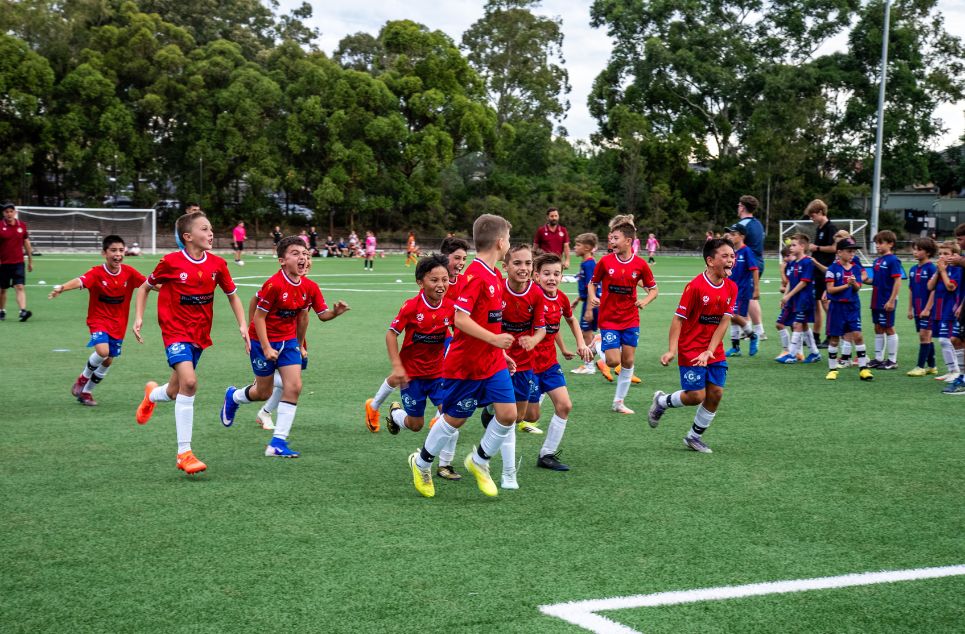
Football NSW has announced a fee freeze for junior and youth community players in 2027, continuing its pledge to keep the game accessible for everyone across the state. 

In addition, senior players aged 19 and above will see their registration fee increase by just $1.50. Both junior and youth player fees will remain the same at $54.43, whilst senior members will pay $107.50.

The fee freeze highlights Football NSW’s commitment to keeping the game financially convenient for both players and families. 

Football NSW CEO, John Tsatsimas, said via Football NSW, “Football is the game of the people, and we recognise the importance of keeping participation accessible for families across our state. By freezing our registration fees for junior and youth players in 2027, we are continuing to support the next generation of footballers and help ensure that cost is not an unnecessary barrier to participation.”

The decision comes following similar price freezes at Football Queensland and Northern NSW Football in 2025. 

Despite the governing bodies acting separately, their unity on maintaining affordability throughout the game is a welcome sign. Managing to keep fees at an fair rate for families is a key component in sustaining grassroots football across the country.

“We have worked hard to manage the pressures facing the game, particularly around insurance, while ensuring Football NSW can continue to deliver the services and support our clubs, associations and participants expect,” said Tsatsimas. 

Despite the cost of living crisis, it is important that the game remains accessible for everyone. Football NSW have identified that even during tougher financial times, they can keep it that way. 

Through diligent financial handling, especially with care surrounding insurance and inflation (more of which can be read here), they are prioritising the game long-term over a short financial gain.

This fee freeze will directly impact the senior players and the families of younger members, too. The decision makes football not only more accessible, but provides more opportunities for players to strive for the highest levels of the game. 

Most Popular Topics

Editor Picks

Send this to a friend