
Merseyside Derby reaches two million viewers on Amazon

Just over a month since their debut as a domestic broadcast partner of the top-flight English Premier League, Amazon has already been a hit with fans.

The Merseyside Derby between Liverpool and Everton peaked in popularity as the match reached approximately two million viewers, according to online media outlet Digiday.

That number is comparable to the amount of people using pay-TV broadcaster Sky Sports when the two clubs previously played each other in March.

To put into perspective how Amazon has taken off, Sky announced earlier this week that Liverpool’s 3-1 victory over Manchester City in November drew an average of 3.36 million viewers, a figure that made it the third most-watched Premier League broadcast in the network’s history.

With Amazon already close to what Sky is achieving, it goes to show where the future of broadcasting may be heading.

According to Digiday, the US technology giant’s first year as a Premier League broadcaster was relatively well received by advertisers. Major brands such as Coca-Cola, Duracell, Heineken, Mercedes Benz and Papa John’s joined on as partners, though buyers have concerns about the data they have received from the streaming platform thus far.

Amazon did not release its viewing figures publicly, while agency executives reportedly received reporting on their specific campaigns from the company this week.

Digiday reports that Amazon’s starting prices offered to advertisers were a cost per thousand impressions of UK£50 (AUD$94) for a broadly targeted adult audience for ‘Tier A’ games, UK£45 (AUD$84) for ‘Tier B’ and UK£40 (AUD$75) for ‘Tier C’ matches. These are understood to be two to three times the price of ads that Sky has sold for similar Premier League games, although in both cases the final prices were subject to negotiation.

When it came to ad performance, the buyers who spoke with Digiday gave a mixed verdict, with below – by as much as 30 per cent – and above expectation impressions reported against Amazon’s initial forecasts.

Going forward, buyers told Digiday that they would like to add access to Amazon’s first-party data, and the option to add their own tags to ads for attribution purposes.

Despite reaming coy with its viewing figures, an Amazon spokeswoman said the 3rd and 4th December were the ‘two biggest Prime sign-up days in UK history’, adding that ‘millions’ of customer streamed the live broadcasts, without clarifying the exact figure.

Previous ArticleNext Article

APL and PFA remain without agreement as bargaining tensions continue

The Australian Professional Leagues (APL) and Professional Footballers Australia (PFA) remain without a new collective bargaining agreement, with negotiations continuing less than three months before the start of the 2026–27 A-Leagues season.

The APL presented the players’ union with a new one-year interim proposal on August 5, which included an increase to the A-League Women salary cap and a commitment to establish a pathway towards full-time professionalism for the women’s competition within 12 months.

The proposed agreement would provide an interim framework while the two parties continue discussions over a longer-term collective bargaining agreement.

APL chief executive Steve Rosich said the proposal reflected the league’s commitment to reaching a sustainable agreement with players following eight months of negotiations.

However, the PFA criticised the APL for publicly announcing the proposal shortly after presenting it to the union, arguing that the approach had further damaged trust between the two parties.

PFA Chief Executive Beau Busch also said players had overwhelmingly rejected the APL’s previous final offer, citing a lack of trust in the league’s ability to ensure its future.

Full-time professionalism for the A-League Women remains a key priority for the PFA, with players seeking improved conditions and greater investment in the competition.

The A-League Men and A-League Women seasons are both scheduled to begin on 16 October 2026.

With the new season approaching, both parties face pressure to resolve the dispute and establish the framework governing player conditions across the A-Leagues.


Jeff Bezos consortium set for $2.7 billion Liverpool investment

Liverpool could soon welcome one of the world’s richest men into its ownership structure.

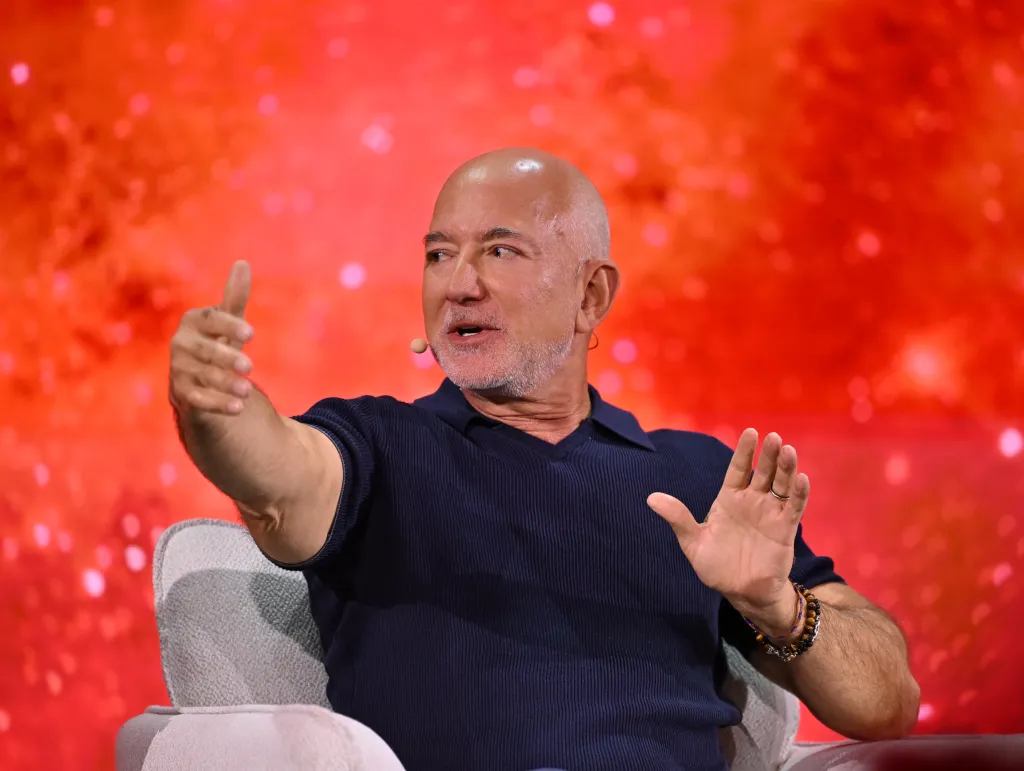
Amazon founder Jeff Bezos is part of a consortium in advanced talks to buy a 30% stake in the club.

The proposed deal values Liverpool at around $8.6 billion (4.5 billion pounds). Bezos has a personal fortune estimated at $363 billion.

The investment would give Fenway Sports Group (FSG) a major financial return. It would also allow FSG to keep control of the club, which they bought in 2010.

The proposal has attracted attention across football. It has also created concern among sections of the Liverpool fanbase.

FSG set for major return

FSG bought Liverpool for $573 million (300 million pounds) in 2010. The ownership group later provided further funding through loans. In the last 16 years, the club has undergone major growth.

Liverpool ended a 30-year wait for a league title in 2020. The club also won the Champions League in 2019. Another Premier League title followed in 2025.

Stadium redevelopment and a new training centre have also increased the club’s value. FSG could cash in on $2.7 billion (1.4 billion pounds) if the 30% share is sold.

The deal would therefore represent a huge return on its original investment. However, whilst the investment would provide a massive cash out for the owners of Liverpool, due to Financial Fair Play there won’t be increased investment in the transfer market.

Why Bezos wants Liverpool

Bezos has explored sports investments before. He has been linked with major American franchises such as the NFL’s Seattle Seahawks.

Liverpool would give him a stake in one of football’s biggest global brands. The club also has a large following in the United States. The New York Times has also reported Liverpool has 26 million fans in America.

That makes the investment attractive for investors looking to expand their reach in global sport. American businessmen Eduardo Saverin and Amit Bhatia are also reportedly involved in the consortium.

The deal would add to the growing American influence across English football.

Fans remain cautious

Liverpool supporters have not automatically welcomed the proposal.

The club’s previous experience under Tom Hicks and George Gillett still influences the fanbase.

Supporters also want greater clarity over the consortium’s intentions. Questions remain over board representation, control and the long-term purpose of the investment.

For many fans, ownership must involve more than financial ambition. The Bezos proposal could strengthen Liverpool’s commercial position. It could also deliver a huge payday for FSG.

But until the consortium reveals more about its plans, supporters are likely to treat the deal with scepticism.

Most Popular Topics

Editor Picks

Send this to a friend