

GO Camps: Train Like a Green and Gold this July at HoTM

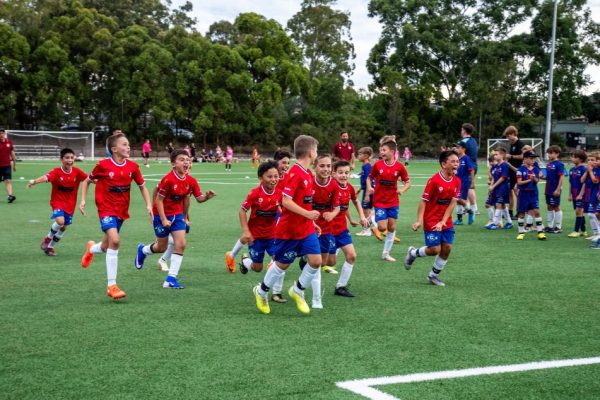
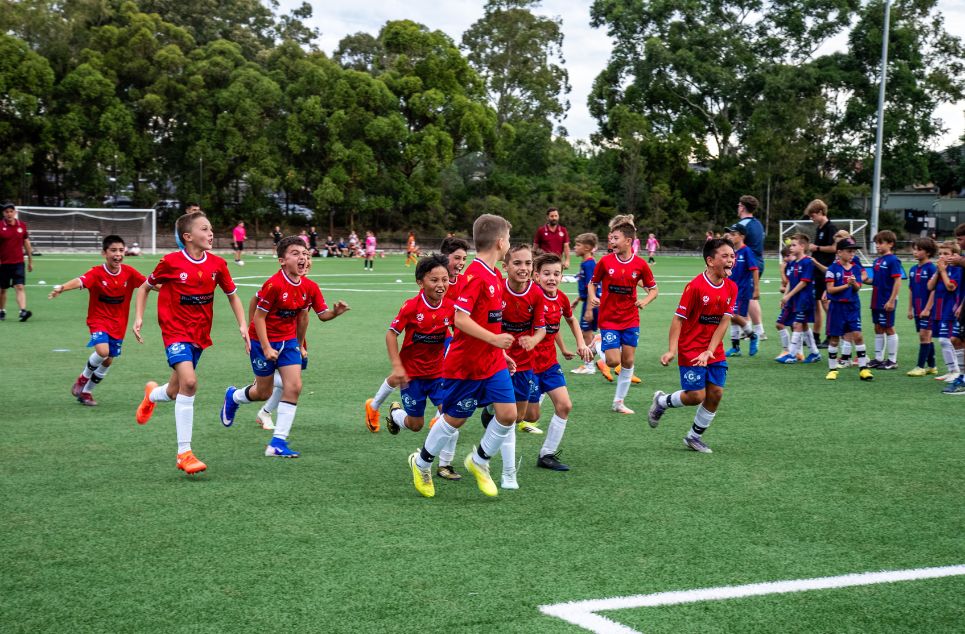
After the success of previous GO Camps across the country, Football Victoria is bringing the first-ever ‘Train Like a Green & Gold’ football program to Victoria’s premier football venue – The Home of the Matildas – on Monday July 14.

This one-of-a-kind, one-day football experience is designed specifically for girls aged 11 to 13. Held during the school holidays, the camp gives young players the chance to train like their heroes in a world-class environment.

With past camps in New South Wales and Queensland drawing strong attendance and overwhelmingly positive feedback from families, the upcoming Victorian edition promises to be just as impactful – and even more special, given its location at Australia’s home of women’s football.

Set in the heart of La Trobe University’s Sports Park in Bundoora, participants will have the rare opportunity to train where the CommBank Matildas train, using the same elite facilities and environment that supports our national team.

Whether your child is new to the game or already has some experience, the GO Camps: Train Like a Green & Gold program caters to all skill levels.

The day will run from 9am to 3pm, led by accredited coaches who focus on enjoyment, participation, and development in a fun and supportive setting.

As part of the experience, participants will enjoy a behind-the-scenes tour of the facility, including access to the exclusive CommBank Matildas change rooms, complete with signed lockers and elite-level amenities.

A First Aid professional will be present on the day to ensure a safe and comfortable experience.

Key Information

  • For Girls 11-13 Years
  • Date: Monday, 14 July
  • Time: 9AM – 3PM
  • Location: The Home of The Matildas, Bundoora
  • Cost: $90
  • Bring: Packed lunch
  • Participants will receive a certificate of participation.

To register for GO Camps: Train like a Green and Gold, click here.
Previous ArticleNext Article

Football NSW announce price freeze for junior and youth players

Football NSW has announced a fee freeze for junior and youth community players in 2027, continuing its pledge to keep the game accessible for everyone across the state. 

In addition, senior players aged 19 and above will see their registration fee increase by just $1.50. Both junior and youth player fees will remain the same at $54.43, whilst senior members will pay $107.50.

The fee freeze highlights Football NSW’s commitment to keeping the game financially convenient for both players and families. 

Football NSW CEO, John Tsatsimas, said via Football NSW, “Football is the game of the people, and we recognise the importance of keeping participation accessible for families across our state. By freezing our registration fees for junior and youth players in 2027, we are continuing to support the next generation of footballers and help ensure that cost is not an unnecessary barrier to participation.”

The decision comes following similar price freezes at Football Queensland and Northern NSW Football in 2025. 

Despite the governing bodies acting separately, their unity on maintaining affordability throughout the game is a welcome sign. Managing to keep fees at an fair rate for families is a key component in sustaining grassroots football across the country.

“We have worked hard to manage the pressures facing the game, particularly around insurance, while ensuring Football NSW can continue to deliver the services and support our clubs, associations and participants expect,” said Tsatsimas. 

Despite the cost of living crisis, it is important that the game remains accessible for everyone. Football NSW have identified that even during tougher financial times, they can keep it that way. 

Through diligent financial handling, especially with care surrounding insurance and inflation (more of which can be read here), they are prioritising the game long-term over a short financial gain.

This fee freeze will directly impact the senior players and the families of younger members, too. The decision makes football not only more accessible, but provides more opportunities for players to strive for the highest levels of the game. 

Football Victoria demands more Victorian Government support amid grassroots boom

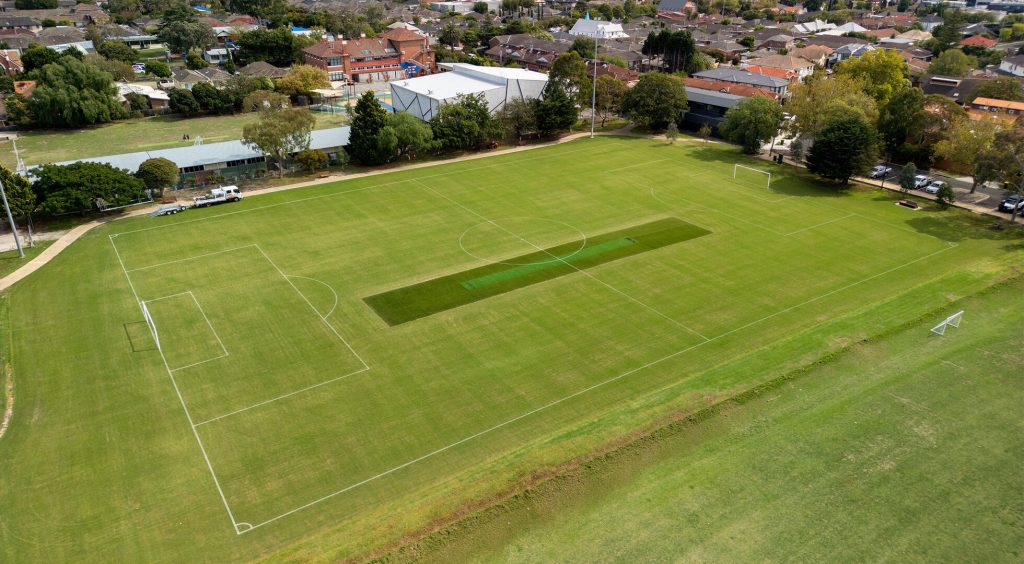
Football Victoria is targeting Victorian Government funding for Glen Eira FC, in order to improve the club’s facilities and accommodate a recent surge in participation.

The interest and demand in football across Melbourne is ever growing, and Glen Eira FC is one such example.

Located in Melbourne’s inner south-east, the club has more than 1,100 players with nearly 95% of them aged 18 or under. In the suburb of Bentleigh alone, football participation has increased 18% alongside female engagement growing 76% in recent years.

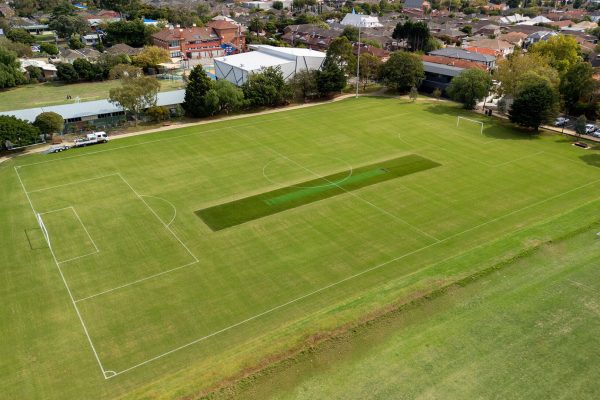
However, at Marlborough Street Reserve, the conditions of the pitch – specifically during winter – can curb accessibility. Wet weather, non-stop usage and limited capacity make it difficult to accommodate all club members. This results in restricted training and playing opportunities.

Lachlan Cole, Football Victoria’s Head of Government Relations & Facilities, said via Football Victoria: “The story at Glen Eira FC is one we are seeing right across Victoria and specifically in Metropolitan Melbourne. Participation is growing, particularly among juniors, women and girls, but the infrastructure needed to support that growth is buckling under the weight of demand.”

To tackle this, both Football Victoria and Glen Eira FC want to convert the existing pitch to a synthetic surface and provide improved lighting for the ground. This would create a more reliable environment for players and support the growing demand for football in that community.

Speaking to Football Victoria, Glen Eira FC President Odilia Wijburg said, “A new sporting precinct with a synthetic pitch would be a game changer, providing year-round access, supporting participation growth and creating a lasting community asset that will benefit local families for generations.”

These issues are not exclusive to just Victoria, but are instead seen nation-wide. Football NSW recently pledged over AUD 200,000 to three amateur clubs to help upgrade their facilities and support the local communities.

Despite the increased interest in the game, the lack of reliable infrastructure, especially in grassroots football, leaves not only local areas without proper facilities, but creates a complicated road for young players hoping to navigate to the top of the game. 

Without the support of the Victorian Government, grassroots football could suffer an underwhelming fate. If the game is not supported from the bottom, the top might not reap the rewards of the next generation. And if that happens, alongside local communities, both the domestic leagues and the international team may suffer.

Most Popular Topics

Editor Picks

Send this to a friend