The Global Institute of Sport (GIS) and Australian College of Physical Education (ACPE) will support Hills Football Association in delivering a specialist coaching workshop designed to improve player development, tactical understanding and performance analysis.
Taking place on Wednesday, 21 October 2026, at the ACPE campus in Sydney Olympic Park, the workshop will bring together experienced football coaches and performance analysts to explore practical approaches to developing players’ tactical awareness, decision-making and understanding of the game.
Titled Developing and Supporting Players’ Tactical Understanding, the event will run from 6pm to 8.30pm and feature two workshops focused on translating coaching theory and performance analysis into practical learning environments.
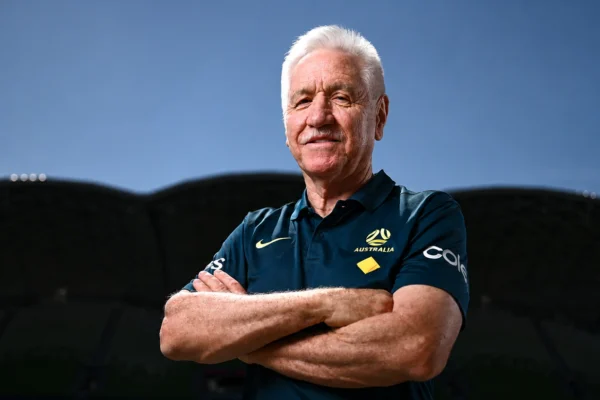
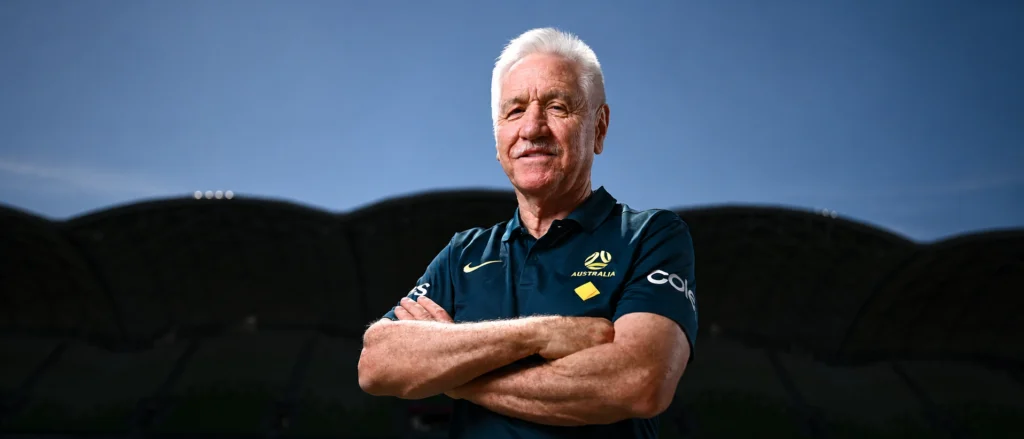
Former Matildas head coach Tom Sermanni, who has also led the national women’s teams of the United States, Canada and New Zealand, will present the first session, Working with International Players.
The workshop will examine how coaches can design training sessions that develop tactical execution under realistic match conditions, with an emphasis on practice design, player decision-making and effective coaching behaviours.
The second session, From Video to Understanding, will be facilitated by experienced performance analysts from GIS and ACPE.
Participants will explore how match footage can be used to strengthen tactical learning, encourage player reflection and develop independent decision-making.
The session will also examine how coaches can structure effective video reviews that align with coaching objectives and a team’s playing model.
Supporting the next generation of football coaches
The initiative highlights the growing importance of combining traditional coaching methods with modern performance analysis to support player development across Australian football.
As clubs and football organisations increasingly seek to improve coaching standards, access to practical education and industry expertise remains an important component of developing more effective learning environments.
The workshop is designed for coaches seeking player-centred approaches that encourage footballers to read the game, understand tactical situations and make better decisions on the pitch.
Participants will receive two hours of Football Australia Continuing Professional Development (CPD) recognition.
For GIS, the collaboration provides another opportunity to connect its specialist sports education and analytics expertise with the practical demands of football coaching.
The institute delivers postgraduate sports education through online learning and stadium-based campuses internationally, including Sydney’s Allianz Stadium and SCG.
Its Sydney offering includes the Master of Sports Analytics and Master of International Sports Business, supporting the development of professionals across the sporting industry.
ACPE, established in 1917 and based at Sydney Olympic Park, brings extensive experience in sport, health and physical education, with a strong emphasis on industry-focused learning and practical professional development.
Together with Hills Football Association, the two education providers aim to equip coaches with practical knowledge that can be applied directly within their football environments.
Event details
- Event: Developing and Supporting Players’ Tactical Understanding
- Date: Wednesday, 21 October 2026
- Time: 6pm to 8.30pm
- Venue: ACPE Campus, 10 Parkview Drive, Sydney Olympic Park NSW 2127
- Presenter: Tom Sermanni
- Facilitators: Performance analysts from ACPE and GIS
- CPD: Two hours of Football Australia Continuing Professional Development
Coaches interested in attending are encouraged to register through the event’s official registration channel.
For more information about the education providers, visit Global Institute of Sport and Australian College of Physical Education.