


New Era for Para Hills Youth Football

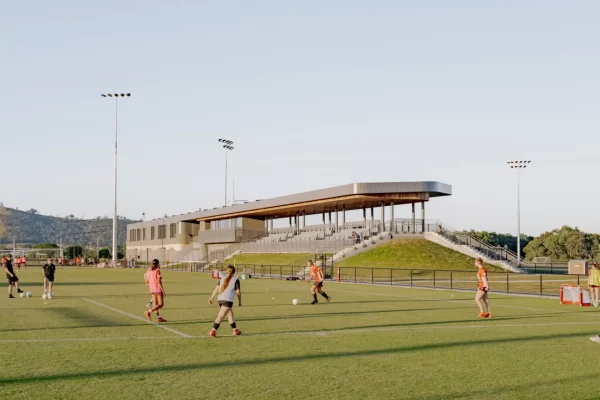
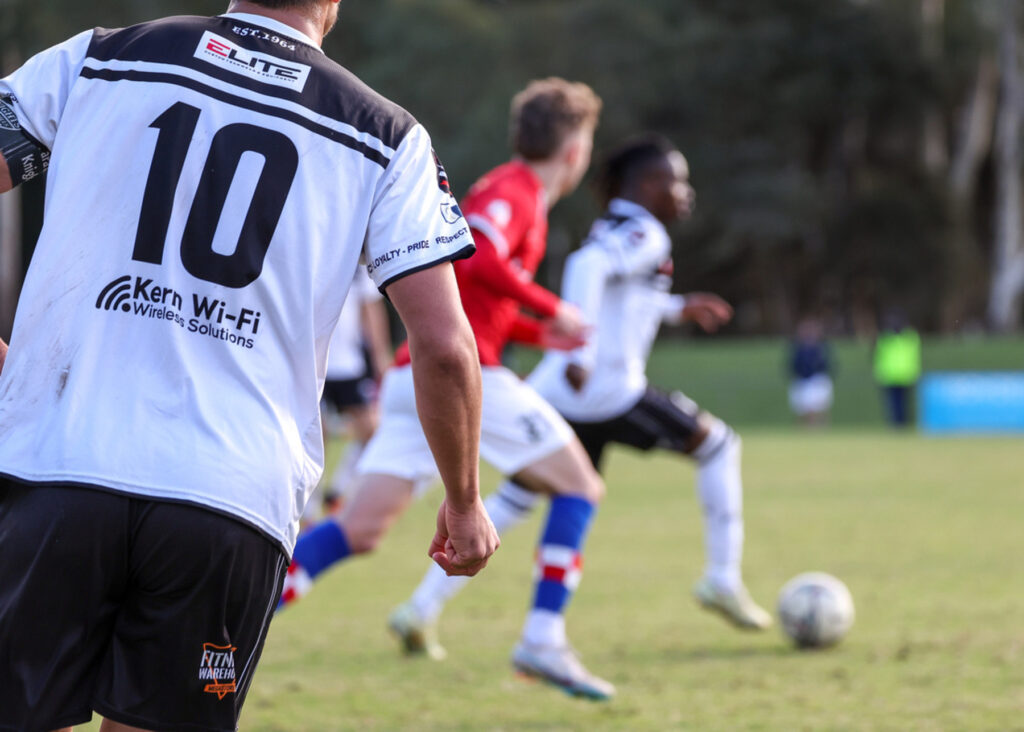
The Para Hills Knights have announced a new partnership with Adelaide United for the upcoming 2026 season.

Adelaide United will support all Para Hills coaches and players starting from U6 upwards, providing them access to programs, games and opportunities to attend various interstate and international tournaments.

Para Hills Junior Technical Director for the upcoming season, James Jackson, spoke to Soccerscene about how important the partnership will be for Para Hills’ youth development.

“It will give our coaches more tools to coach better and develop the best youth programs,” he said.

“There’s nothing really like it in the state, to be honest with you.

“I think just word of mouth between the partnership with the club will drive better players and attract more players, but also provide better exposure for all players in the general area, not just Para Hills players.”

Jackson is a former Para Knights player at both the junior and senior levels. He has been coaching junior football for the last five years and has represented South Australia as a Junior and U18.

The partnership will give Para Hills access to the coach-better program used by multiple top clubs in Europe, including PSV Eidenhoven.

“We’ve seen over the past few years in the YCC, players hopping clubs between the tier one and tier two,” he continued.

“We thought in order to be competitive, being a tier two club at the moment, we have to offer our juniors something else a bit more tangible to get them at the club.”

Additionally, Adelaide United will supply coaching workshops for Para Hills, including bringing PSV coaches throughout the year to share their knowledge at a grassroots level.

Marcelo Carrusca, Head of Football Development at Adelaide United, helped oversee the nine-month development of the partnership alongside Rocco Fimmano, Andrew Kossakowski and James Jackson.

“A lot of our coaches are Mum and Dad’s, especially with the JSL compared to the YCC, all the YCC stuff is with ex-players because they want to be involved after being with the club for years,” Jackson said.

“We thought that that was a great opportunity to try and up-skill them to provide better coaching, especially the format they (Adelaide) are going to give us.”

This is an exciting deal between an NPL club looking to improve its grassroots program and an A-League club that merits football development as one of its main values. Both parties perfectly align and the growth for kids in South Australia will only keep improving.

Previous ArticleNext Article

Thornaby FC’s community commitment leads the way, but football fans continue to suffer

The cost of living crisis has impacted people and businesses worldwide and football is no different.

Football fans globally – and especially top flight British supporters – are being priced out of the game they created, and by the teams they have supported their whole lives.

In the 2024/25 season, 19 of 20 Premier League clubs raised their ticket prices. The highest single jump was a 28% increase, and additionally an 11% hike on tickets for children. Between 1990-2025, football fans in the UK have seen their ticket prices increase by an immense 800%. 

The fan reaction has been continually damning. Via the UK-based Football Supporters’ Association, over one hundred supporter groups campaigned for Premier League clubs to freeze ticket prices at home games for two seasons, as part of the Stop Exploiting Loyalty Campaign.

An FSA statement reads: ‘Football is for everyone. Rising prices are making it harder for regular fans, especially younger generations and working-class communities to attend matches.’ 

With fans of clubs from right across the country united on the matter, their position was clear: stop taking football from the people.

One club that did heed the message were North Yorkshire non-league side, Thornaby FC. This season, they are offering free season tickets to local residents for both men’s and women’s games.

Over 20,000 people are eligible thanks to the partnership between the club and the local council. With the club awarded AUD 12,000 (GBP 6,500), the initiative aims to bring the community together and drive locals to games.

This is not seen as a final solution, but certainly a major step in gaining support and interest for the team; in turn it will hopefully drive local investment, revenue and growth via the community that supports it, as opposed to investment groups that potentially hold less interest in the health of the club and its community. 

The Stop Exploiting Loyalty Campaign has also gained the support of MPs in Parliament. In March, they recognised the problem and as part of an Early Day Motion stated: ‘working-class and young supporters are being priced out; squeezing out local and dedicated fans poses an existential threat to the culture and community of football.’

While those words may be encouraging, what they can change in their current systematic position feels minimal.


The World Cup is another example of football fans suffering greatly at the hands of commercial interests.

On the grandest stage, where fans from around the world gather en masse to support their nations and the spirit of the game should in theory be at its most authentic, fans are deliberately exploited by FIFA.

According to Forbes Middle East, the 2026 edition in the USA, Canada and Mexico saw a rise in ticket prices for 90 of the 104 matches compared to the previous edition in Qatar.

Football is being held up by investors and governing bodies like a puppet on strings. They deem growth to be the only measure of success.

Growth is of course a key requirement of success, but what good is that when it sees the interests of local communities, including loyal football fans, pushed to the side? When it comes to modern day football, good deeds – such as those committed by Thornaby FC – are rarely seen as time well spent.

The pursuit for growth is also not just financial. Human attention is a newly monetised market; from streaming views to social-media engagement to email sign-ups. As football continues its global push into lounge rooms and onto smartphones, it is at major risk of overlooking those who commit their time and resources to stand in the terraces or sit in the stands.

FIFA lose court ruling to UEFA over scuppered FFE plan

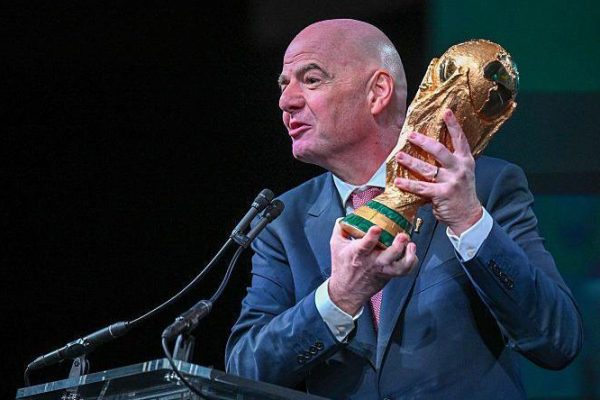
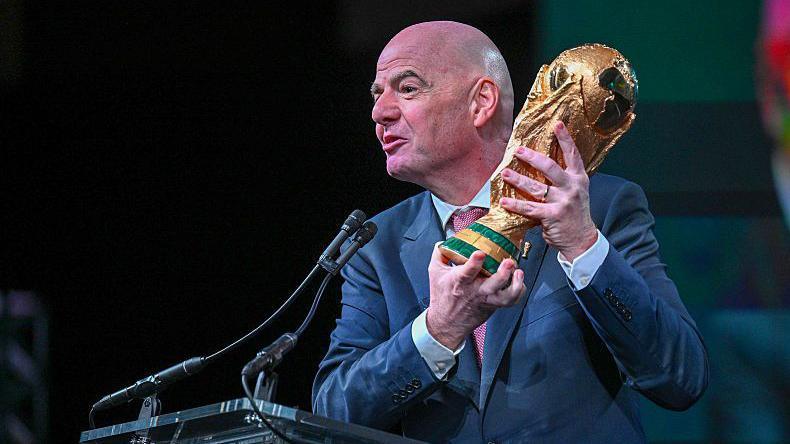
Last Thursday (Nov 12), a New York City judge denied requests made by FIFA subsidiaries to block a move by UEFA, who filed court documents in August pursuing information relating to FIFA President Gianni Infantino’s failed World Cup private investor plan.

Nine days after the 2026 World Cup, FIFA and Infantino officially put forward the FIFA Forward Enterprise proposal (FFE) which shook the football world to its core.

The plan was to sell a minority stake (roughly 20%) in the governing body’s competitions to private investors, but was cancelled in the following days due to intense backlash and boycott threats from UEFA and CONCACAF, and varying levels of distaste from other confederations.

Lawyers representing UEFA are seeking evidence from Joshua Kushner’s New York investment firm Thrive and FIFA advisors JP Morgan surrounding the FIFA backed investment plan.

In an eight-page document written by the judge, they said the attempted block by two FIFA subsidiaries failed because they “do not have a direct, substantial and legal protectable interest” in the proceedings. 

‘Nothing in this record indicates that the U.S. FIFA parties, or even FIFA itself, will be parties in the contemplated criminal proceedings,’ the ruling stated.

After the immense fallout between FIFA and UEFA, Infantino said the project had ‘created divisions’ and become ‘no longer in the interest’ of its original objective.

The FIFA President had offered its 211 member associations $40 million USD ($59 million AUD) if they supported the proposal which would see all FIFA competitions privately invested in, including the men’s and women’s World Cups.

The investment would have seen the younger brother of U.S. President Donald Trump’s son-in-law, Jared Kushner, be the financial anchor of the venture. 

The fallout of FFE was undeniably the biggest crisis Infantino has faced during his near-eleven-year stint as FIFA president, although he remains the favourite to win reelection for another term in March.

Most Popular Topics

Editor Picks

Send this to a friend