

Building an inclusive sports future: Interview with No Limits Sports CEO Josh Clark

No Limits Sports is an organisation dedicated to fostering a lifelong love of sport in children by providing safe, inclusive, and engaging programs that build fundamental skills, promote fairness and sportsmanship and uphold strong safeguarding standards.

The company was founded 13 years ago, starting as a “one-man operation”, and has since expanded into a nationwide provider with over 750 coaches and a wide range of programs delivered across both metro and regional areas. 

Speaking to Soccerscene, CEO of No Limits Sports Josh Clark shares how he grew the company from a business ran by just one person into a national organisation focused on inclusive, accessible sports programs for children of all abilities and backgrounds—overcoming recruitment challenges, expanding into regional areas, and embracing Indigenous culture—while continuing to grow and eyeing international opportunities.

Can you tell us about your responsibilities as CEO and how No Limits Sports has grown and changed since it began?

Josh Clark: As CEO, I’m involved in nearly every part of the business. My responsibilities span from recruitment and managing staff to overseeing marketing, sales, bookings, and logistics, right down to handling payroll and invoicing. With a large team of coaches operating nationwide and a sizable office team, there’s always something that needs attention.

When I first launched No Limits Sports, it was just me — a one-person operation. Since then, we’ve grown into a national organisation. That growth has brought more complexity and diversity to what we do, which has naturally changed the nature of my role. I began in a hands-on coaching capacity, but this quickly changed. I’ve transitioned into more of a strategic leadership position, focused on long-term development and guiding the broader direction and growth of the company.

Were there any initial challenges you faced when expanding No Limits Sports and if so how did you overcome them?

Josh Clark: One of the biggest challenges we faced—both in the early days and still to some extent today—has been recruiting the right staff. We’re always looking for experienced and qualified coaches, but we also believe in investing in emerging talent. We often bring on younger, less experienced individuals who show potential and offer them training and upskilling opportunities to help them grow into the role.

In recent years, we’ve implemented a robust recruitment and HR software system, which has significantly streamlined our hiring and onboarding processes. It’s made it much easier to manage applications, track coach development, and stay organised, especially as we’ve expanded into regional areas beyond the metro centres. That investment in technology has been a key part of overcoming the recruitment challenge and supporting our continued growth.

How does No Limits Sports ensure that its programs remain inclusive and accessible to children of all abilities and backgrounds?

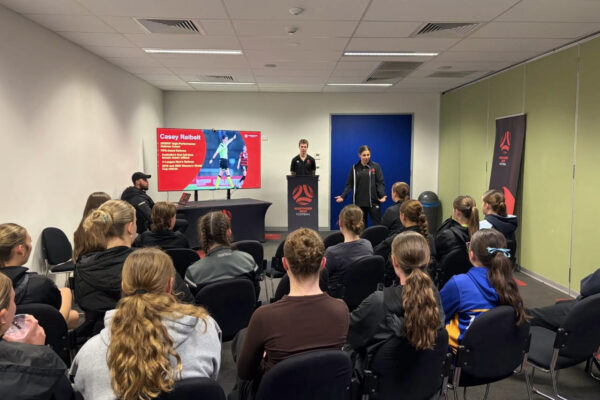
Josh Clark: I’ve been deeply passionate about ensuring our programs are inclusive and accessible to children of all abilities and backgrounds. We’ve proudly partnered with the Special Olympics for over 10 years, and we work closely with numerous special schools and support units across the country to deliver tailored sports programs for students with additional needs.

We’ve developed our own inclusive programs, as well as using The Special Olympics’ programs to ensure that all children can participate regardless of their ability. A key part of this commitment has been investing in our coaching team, providing them with specialist training and qualifications so they feel confident and capable of delivering inclusive sessions.

Another priority for us is reaching students in regional and remote communities. Many other sports providers don’t have the capacity to operate in these areas, but we’ve made it a core part of our mission. We deliver programs in places like Alice Springs, Port Lincoln, Devonport, Lismore, Gladstone, and so many other regional towns.

Inclusivity, both in terms of ability and geography, is central to what we do. Whether it’s special schools, regional communities, or mainstream metro programs, we’re committed to making quality sports experiences available to every child, no matter where they live or what their needs may be.

Image credit: No Limits Sports

Can you tell us a bit about the Traditional Indigenous Games (TIG) the significance of incorporating it into your curriculum and the impact it has on participants?

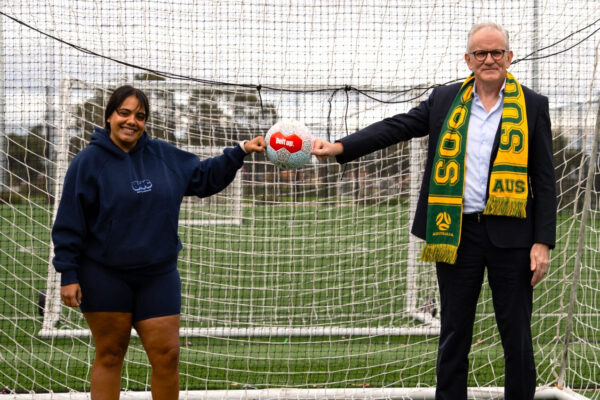
Josh Clark: Our Traditional Indigenous Games (TIG) program is based on the Yulunga: Traditional Indigenous Games resource developed by the Australian Sports Commission. This collection features over 140 games from Aboriginal and Torres Strait Islander cultures across Australia. We’ve carefully selected the most engaging and popular games that really resonate with students and work well in a school or community setting.

The program is rooted in extensive research and documentation of traditional games from diverse Indigenous communities. We make a point to honour the cultural origins of each game by sharing its traditional name, the region it comes from, and the original materials used. For example, some games were originally played with kangaroo skin balls—while we now use modern equipment, we ensure students still understand the historical context and cultural significance.

The TIG program is especially popular around NAIDOC Week, with many schools and OOSH & vacation care services incorporating it into their celebrations. Beyond the cultural learning, the games themselves are incredibly fun and active—many involve teamwork, ball handling, and evasion skills, which translate well to a variety of other sports. Most importantly, the program gives students a meaningful way to engage with and appreciate Indigenous culture through physical activity, often playing games they’ve never experienced before.

What feedback have you received regarding the impact of No Limits Sports programs on children’s development?

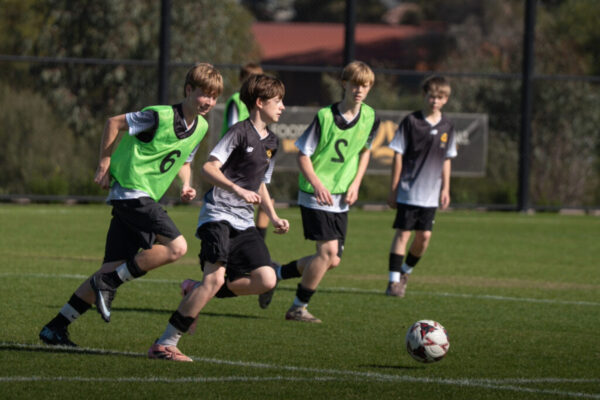
Josh Clark: Our goal as a business is to help children develop a lifelong love of sport by giving them access to try lots of different sports and activities, making sure it’s done in a really inclusive and fun environment. We regularly receive positive feedback from schools, parents, OOSH services, and the clubs we collaborate with, which reassures us that we’re making an impact.

The most meaningful feedback, however, often comes from two key areas. First, from regional schools where students may not have previously had access to quality coaching or diverse sports programs. Second, from our inclusive sports programs, particularly those designed for children with additional needs. Hearing directly from students, parents, and schools in these spaces about the positive difference we’ve made is incredibly rewarding and reinforces why we do what we do.

Image credit: No Limits Sports

How is No Limits Sports currently tracking and what does the future hold for the company?

Josh Clark: We are growing rapidly, both in terms of the number of customers we work with and the size of our coaching team. We’ve seen consistent year-on-year growth and currently operate across all States and Territories in Australia. We’re also exploring opportunities to expand internationally, with New Zealand being a potential next step.

Looking ahead, the upcoming Brisbane Olympics in seven years adds an exciting layer of opportunity for the Australian sports industry. There’s been a renewed national focus on grassroots participation and talent development, which aligns perfectly with our mission. It’s an exciting time to be in this space, and our goal is to continue expanding our reach and increasing the number of quality coaches we provide across all communities.
Previous ArticleNext Article

Two NPL VIC clubs receive funding boost from State Budget

Following the announcement of the 2026 Victoria State Budget, Avondale FC and Hume City FC will both receive major backing for facility upgrades.


Valuable support for future projects

Avondale and Hume City now have immensely valuable financial support for infrastructure and facility upgrade projects.

Avondale will see an injection of $500,000 for lighting developments at its home ground, Avenger Park. Meanwhile, Hume City FC, will receive $250,000 to further improve its home ground, Nasiol Stadium, which opened in 2009.

Both clubs expressed their delight at the funding from the State Labor Government, and what the backing may bring to club facilities and overall development going forward.

“We are incredibly grateful to the Victorian Government and Sheena Watt for their support through this $500,000 lighting upgrade investment, which will have a lasting impact on our players, families and the wider Avondale community,” said Avondale Club President, Stephen Strano.

“We have hundreds of players across all age groups utilising these facilities each week, and these improvements will help create an even strong environment for excellence, participation, and community engagement,” outlined Hume City President, Ersan Gülüm.

As a result of these respective investments, both NPL VIC outfits appear set for incredibly opportunities to modernise, develop and strengthen their club infrastructure.


Lighting the path to a brighter future

The investments will see features such as lighting upgrades improve facility access for men’s and women’s teams, and LED scoreboards become part of a more modern matchday experiences going forward.

For both clubs, however, lighting upgrades are about more than keeping a pitch open late at night. Improved lighting is a means to a more accessible and supportive future in which both the men’s and women’s teams can utliise local facilities, and matchdays can take place in the excitement of playing ‘under the lights’.

And as Football Victoria CEO, Dan Birrell, highlighted, the improvements made to club facilities are benchmarks for the wider Victorian football community.

“Both Avondale and Hume City are pillars in the Victorian football landscape,” Birrell stated via press release.

“Professional level facilities like Avenger Park and Nasiol Stadium are critical for the development of Victorian football and Football Victoria welcomes the news that they will continue to improve thanks to the support of the Victorian State Government.”


More must follow

While the investments from the State Government come as welcome updates for these two clubs, there is still plenty more to be done to evenly develop facilities and infrastructure across Victoria’s football landscape.

Indeed, Avondale FC and Hume City FC are two fantastic community clubs who will no doubt put the funding towards impactful improvements.

But there are plenty more who still need external backing to build infrastructure not just for now, but for future seasons to come.

Football Community Supports Ange Goutzioulis Following MND Diagnosis

At just 52 years old, former National Soccer League player Ange Goutzioulis stood in front of a packed room at the Chisholm United launch night in Oakleigh and spoke about something no one ever expects to hear: a diagnosis of Motor Neuron Disease.

But rather than retreat into silence, Goutzioulis chose to speak openly. He spoke not just about the disease itself, but about the reality of living with it, the uncertainty ahead and why awareness matters more than ever.


Early stages

For years, football was part of Goutzioulis’ identity. Coaching, movement and routine were all things that once felt natural. Then slowly, something changed.

“I couldn’t even stand properly… I was losing my balance,” he explained.

At first, the signs were confusing rather than alarming. A couple of falls. Difficulty moving. Hospital visits and tests.

“They said, ‘You haven’t got cancer, you haven’t got MS and you haven’t got MND,’” he recalled.

But the symptoms continued worsening. Eventually, further neurological testing revealed the diagnosis: Motor Neuron Disease (MND).

The confirmation came quickly.

“They called it after two or three minutes… they saw the machines and basically said, ‘Yeah, you’ve got MND.’”

The shock was immediate.

So too was the reality.


Understanding Motor Neuron Disease

Motor Neuron Disease is a progressive neurological condition that attacks the nerves controlling movement, gradually taking away the ability to walk, speak, swallow and eventually breathe.

There is currently no cure.

For many Australians, awareness of MND remains limited until it touches someone close to them. Goutzioulis now finds himself confronting not only the physical decline, but the emotional weight of understanding what lies ahead.

“There’s no way to stop it… it’s going to kill me,” he said honestly.

Even breakthrough treatments tomorrow, he acknowledged, may come too late for him personally.

Yet despite the enormity of that reality, his focus has already shifted beyond himself.


Fighting for awareness while fighting the disease

What stood out throughout the evening was not despair, but resilience.

Goutzioulis spoke candidly about refusing to surrender mentally to the disease. Against medical advice centred around conserving energy and managing fatigue, he continues trying to stay active.

“I keep walking,” he said.

“I’ve got a theory in life that if you work out and keep moving, maybe [your] muscles won’t waste away as quick.”

Whether medically proven or not, the mentality reflects something deeper: a refusal to let MND define every remaining moment.

There was also optimism in the small victories.

Doctors believe he may have already been living with the disease for three years — longer than expected given his current condition.

“That’s a positive,” he said. “So, I’ll take it day by day.”

Image Credit: One Nil Media

Football’s power beyond the pitch

The event itself quickly transformed from a club launch into something more profound: a reminder of football’s ability to rally around people during their hardest moments.

As speakers addressed the room, one message became clear — Goutzioulis is not facing this battle alone.

“There’s probably 100 people here,” said Bill Kosmopoulos, who was hosting the discussion,

“I guarantee there’s 100 people cheering for you, 100 people that would do anything to find a solution for MND.”

In community football, conversations are usually dominated by results, signings, tactics and ambition. But nights like this reveal another side of the game entirely.

Connection.

Humanity.

Support.

By speaking publicly, Goutzioulis gave a deeply confronting disease a human face. Not statistics. Not headlines. A person. A father. A football figure. Someone trying to process what it means to slowly lose control of their own body while still showing up for the people around them.

That vulnerability is precisely why awareness matters.

Because awareness drives conversation.

Conversation drives funding.

And funding drives research that could one day change outcomes for future families facing the same diagnosis.

Image Credit: One Nil Media

“We’re behind you”

As the night closed, the room rose behind him.

Showing admiration for someone willing to confront unimaginable news publicly in the hope it helps others understand the devastating reality of MND.

“On behalf of everyone… thank you so much mate,” one speaker told him.

“We’re behind you.”

Support and raising awareness for the disease is what matters.

Most Popular Topics

Editor Picks

Send this to a friend