


Two Mid North Coast Football Clubs Secure NSW Government Infrastructure Grants

Penrith

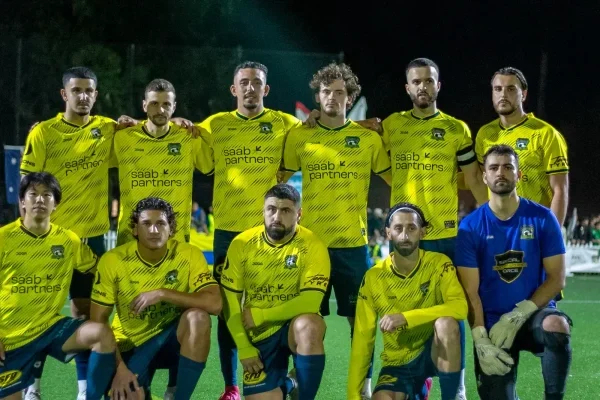
Great Lakes United and Gloucester SC have been awarded a near combined $340,000 in NSW Government infrastructure funding, with the grants addressing two of the most persistent and practical barriers to football participation in regional communities: poor drainage and inadequate facilities.

The funding comes through the NSW Government’s ClubGrants Category 3 Infrastructure Program, which drew 424 applications in this round and approved 22 projects. The program is designed to fund construction, renovation and fit-out of community infrastructure for disadvantaged NSW communities, including regional and remote areas, culturally and linguistically diverse communities, and people with disability. Both successful football clubs fall under the Football Mid North Coast zone, administered by Northern NSW Football.

Gloucester SC received $254,603 to construct all-abilities toilets, showers and referee facilities. Great Lakes United secured $84,200 for drainage installation at Boronia Park Sports Complex, a project aimed at reducing weather-related disruptions and improving field usability across the season.

Infrastructure gaps that are holding the game back

Football is the largest participation sport in NSW, with close to 300,000 registered players using approximately 1,000 sites and 2,250 playing fields every week, yet the facilities supporting that participation aren’t built to handle the scale or diversity of the game as it exists today.

Northern NSW Football’s own assessment of the problem is frank. The federation has previously identified drainage, lighting and inclusive changerooms as the foundational infrastructure gaps most likely to determine whether facilities are functional, safe and accessible year-round.

Female football participation in NSW has grown by 26% since 2014, placing particular pressure on clubs whose amenities were not designed with women and girls in mind. Gloucester SC’s all-abilities toilet and shower block, while framed as an accessibility upgrade, carries that broader implication: facilities built for a narrower participation base are increasingly inadequate for the game being played in them.

NNSWF Government Relations Manager Gary Fisher said the outcomes reflected the kind of community-driven football the federation exists to support. “Great Lakes United and Gloucester SC are wonderful examples of community football driven by dedicated volunteers, passionate families and strong local spirit,” Fisher said. “This funding will make a meaningful difference in helping both clubs continue to grow and provide positive experiences for players of all ages and abilities.”

A federation building its case for government investment

The grants also reflect a deliberate shift in how Northern NSW Football engages with government funding. The federation has previously described football as under-funded and committed to engaging more diligently with government, including appointing a full-time government relations manager to advocate for the region. The ClubGrants outcome is a direct product of that approach.

NNSWF’s recently released Member Zone Infrastructure Strategies are designed to strengthen the federation’s alignment with government funding priorities, providing the evidence base needed to support grant applications and long-term facility planning.

“Ultimately we want to create more inclusive and accessible environments for everyone involved in the game while building stronger, more sustainable clubs and communities for the future,” says Fisher.

NNSWF’s own Facilities Fund, established in 2019, has invested more than $1.6 million in community infrastructure since inception, with partnering funding bringing the total project value to over $3.7 million. The ClubGrants wins for Gloucester SC and Great Lakes United extend that pattern of layered, multi-source funding.

Across 2025/26, a total of $12.75 million was allocated through two rounds of ClubGrants Category 3, building on the $12.6 million provided in 2024/25 for 83 projects. For two volunteer-run clubs on the NSW Mid North Coast, competing against 424 applications to land a place among 22 funded projects represents a significant outcome, and a sign that NNSWF’s government relations infrastructure is beginning to pay off.

Previous ArticleNext Article

Football Victoria Backs Campaign to Shield Junior Players from Gambling Harm

More than 600 sporting clubs across Victoria have enrolled in a state government program designed to limit young players’ exposure to gambling, with Football Victoria now urging its community clubs to join before a late-July registration deadline.

The Love the Game initiative asks clubs to formally commit to a set of principles: refusing sports betting sponsorships, developing internal harm prevention policies, and building environments where coaches, parents and players are equipped to discuss gambling risks with children.

The program’s public health rationale has a sharper statistical edge than its community-facing materials suggest. A 2025 study of Victorian secondary school students aged 12 to 17 found that nearly 30% had gambled at some point, and among those who had gambled in the past year, 7.5% met the criteria for problem-gambling and a further 26.8% were classified as ‘at-risk’. The research, commissioned by the state government and published earlier this year, also found that students exposed to gambling venues and advertising were more likely to gamble or to do so in a risky manner.

The most recent Victorian Population Gambling Study found that Victorians aged 18 to 24 are the group least likely to gamble overall, yet carry the highest rates of harmful gambling across all age groups. Young people aged 18 to 34 are around five times more likely to bet on sports than older cohorts.

When the data lands at the clubhouse door

Football Victoria’s support for the program reflects a broader recognition within community sport that participation rates and club culture are connected. The environments clubs create shape whether young people stay in sport and what norms they carry with them into adulthood. For football specifically, which draws participants across a wide range of socioeconomic backgrounds, that responsibility is not evenly distributed. Approximately 440,000 Victorians, or 8.5 per cent of the state’s population, are classified as being at some risk of experiencing problem gambling.

The Victorian Government’s program gives clubs more than symbolic membership. Registered clubs receive practical tools to develop governance frameworks around gambling harm, resources for coaching staff and volunteers, and standing as part of a growing network of clubs taking a formal position on the issue.

Researchers have described the current framing of gambling harm as a matter of personal responsibility as inadequate, arguing it is a public health issue requiring a systemic response. Community football clubs, with their reach into households across the state, are one of the institutional levers available to make that response visible.

1200 players to descend on Geelong for Football Victoria Country Championships as Regional Football Enters New Era

More than 1,200 junior footballers from across regional Victoria will converge on Geelong this weekend for the 2026 Football Victoria Country Championships, with players representing eight regions competing across the King’s Birthday long weekend at Stead Park and Myers Reserve.

The tournament, which has been running since 1978 and has grown into one of the largest junior football events in the country, takes on additional significance this year. It marks the first Country Championships since Football Victoria announced a restructured regional football model in December 2025, making this edition an early measure of how that new framework translates into competitive outcomes at the representative level.

Sixty-seven teams will compete across Under-11 to Under-16 age groups for both boys and girls, with finals day scheduled for Monday. All fixtures and results will be available through the DRIBL app.

More than silverware

FV Regional Development Manager Lauren Stevens said the tournament represented something beyond the competitive results it produces.

“The Country Championships are an exciting opportunity for players from across regional Victoria to come together, represent their region and create lasting memories both on and off the pitch,” Stevens said. “This tournament has a rich history and continues to play an important role in bringing regional football communities together while providing players with the chance to experience a high-level representative environment and talent identification opportunity.”

That dual function is central to what makes the Country Championships structurally significant. For many players travelling to Geelong this weekend, a regional representative tournament is the highest level of football they have experienced. For some, it will be the environment in which they first come to the attention of Football Victoria’s technical staff and pathway programs.

The talent identification dimension carries particular weight at a moment when Football Victoria’s participation numbers are at record levels and the pipeline from community football to elite competition has never been more closely scrutinised. The 2025 Annual Report documented a 14 percent overall participation increase, with junior football among the fastest-growing segments. Tournaments like the Country Championships are where that growth begins to translate into representative opportunity for players who live outside metropolitan Melbourne.

Regional football in transition

The timing of this year’s Championships against the backdrop of Football Victoria’s regional restructure adds a layer of context that will be watched closely by administrators and clubs. The December 2025 announcement of the new regional model represented the most significant structural change to regional football governance in the state in some years, and the process of transitioning Life Members from regional associations into the Football Victoria honour roll at last month’s AGM reflected the scale of that change.

How the eight regions perform this weekend will offer an early indication of whether the restructured model is serving regional communities effectively.

The Corrie Koppen Fair Play Award, introduced last year to celebrate the life and legacy of the late Cornelius Koppen, adds a dimension to the competition that sits alongside the on-field results. The award is given to the region judged to have played and conducted itself in the spirit of the game, a recognition that how communities behave at a junior tournament is as meaningful as what they win.

Most Popular Topics

Editor Picks

Send this to a friend