


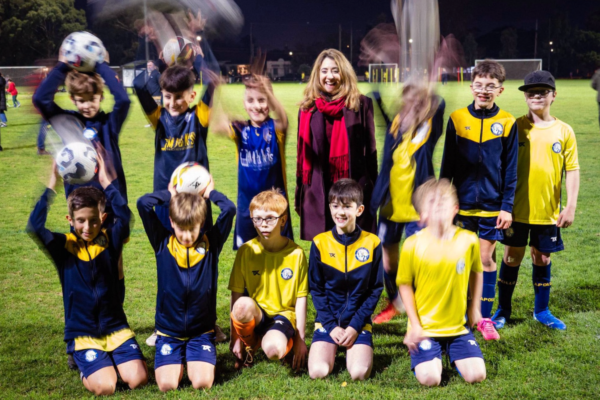

University of South Adelaide research shows that beetroot boosts sporting performance in athletes

It’s the bright-red root veggie more often found in a borsht than a breakfast smoothie, but the humble beetroot could become one of the next go-to foods for athletes as University of South Adelaide research shows it can provide a competitive edge when it comes to playing sport.

Evaluating the performance effects of foods that are thought to have a beneficial effect on aerobic performance, researchers found that beetroot, grapes, sour cherries, and pine bark extract, which contribute to nitric oxide availability in the body, boost endurance exercise performance.

Assessing data from 118 studies involving 1872 participants from 25 different countries, the meta-analysis evaluated the effect of consuming nitrate-rich foods (typically green leafy vegetables), foods that contain polyphenols (such as berries, cherries and cocoa), and L-Citrulline (found in watermelon) on exercise endurance performance.

The study found that the nitrate levels contained in beetroot, which have been shown to boost blood flow and increase the delivery of nutrients and oxygen to muscles during exercise, helped athletes perform better more quickly.

Similarly, the polyphenols in grapes, cherries and pine bark extract helped protect nitrate from degradation in the body, boosting stamina. And, despite the ability of L-citrulline to boost nitric oxide production in the body, consuming watermelon (high in L-citrulline) did not boost exercise performance.

Lead researcher and UniSA PhD candidate Noah D’Unienville explained these findings provide further evidence of foods as natural endurance enhancers.

“There’s a lot of interest in nitrate-rich and polyphenol-rich foods because of their potential to boost exercise performance, but just because they contain these elements, doesn’t mean this will translate into improved exercise performance,” D’Unienville said via a media release.

“While our study shows that beetroot (among other foods) can boost performance, other nitrate-rich foods such as red spinach, Swiss chard and rhubarb, did not show similar benefits.

“Also, while grapes, pine bark extract, and sour cherries can help athletes perform better and faster, we found no effects for other polyphenol-rich foods, including blackcurrant, cocoa, ginseng, green tea or raisins.”

Co-researcher, UniSA’s Professor Jon Buckley added that while these foods were effective in boosting exercise performance and building stamina, their effects did discriminate.

“The results did show that more significant effects among athletes who were less fit, and also that men were more likely to benefit from these foods than women,” Prof Buckley said via a media release.

“Certainly, there were some limitations with the sample size of women, but this finding does suggest further investigation is warranted.

“All in all, we know that trying to get fit takes time and effort but add a glass of beetroot juice to your training schedule and you just might see the difference.”

Previous ArticleNext Article

Isabella Mossin awarded Ninja A-League Women Referee of the Year

The youngest recipient since its inception, Mossin will officially receive the award after leading the Ninja A-League Grand Final 2026 on Saturday.


A rapid rise

After debuting in 2023, Mossin has quickly proved quality, composure and confidence as a referee in the Ninja A-League.

As a result of the achievement, Mossin will be the appointed referee for this weekend’s Grand Final between Melbourne City FC and Wellington Phoenix.

After beginning in the North West Sydney Football Association, Mossin then honed her craft with the Football NSW Referee Academy, a journey with foundations truly embedded in youth development and grassroots football.

Thus, Mossin is not just am individual success story, but a symbol of what institutional investment and opportunities can do for young women looking for a pathway to the game.


Celebrating success

The plaudits, unsurprisngly, are arriving from across Australia’s football landscape, with many emphasising the incredible standards set by Mossin since her debut just three years ago.

“This award is testament to Isabella’s hard work and dedication to refereeing, and a great reflection of the next generation of referees coming through the system in Australia,” said A-Leagues CEO, Steve Rosich.

“At just 25 years of age, she has consistently demonstrated composure, leadership, strong decision-making and the ability to perform under pressure in some of the biggest matches in the competition,” highlighted Football Australia Head of Referees, Jon Moss.

“Having someone refereeing their first Ninja A-league Women’s Grand Final at the age of 25 years should inspire all girls and young women referees (and potential referees) and show them that age is not a barrier to talent being recognised within Football Australia refereeing,” said Chair of Football Australia Referee Committee, David Elleray.

Given Mossin’s reputation and experience already at the top level of women’s football in Australia, there is no doubt that she will rise to the occasion this Saturday.

Female Football Week kicks off across Northern NSW

Female Football Week has officially begun across Northern NSW, with a program of gala days, networking events and awards ceremonies running until Sunday May 17, marking a ten-day celebration that organisers say reflects both the growth of women’s football in the region and the work still required to sustain it.

The national initiative, now a fixture on the football calendar, provides a dedicated period of visibility for female participants across all levels of the game from players, coaches, referees to volunteers, whose contributions have historically received less recognition than their male counterparts.

NNSWF Participation and Women’s Football Officer Serena Carter said the week offered something for everyone connected to women’s football in the region.

“Female Football Week provides a fantastic chance to highlight the dedication and skill of female players, coaches, referees and volunteers across the northern NSW community,” Carter said. “There’s something for everyone to enjoy, from grassroots participants to elite competitors.”

Women’s football in northern NSW spans remote and regional communities where clubs operate on limited resources, alongside more established metropolitan programs with clearer development pathways. Female Football Week creates a moment of shared recognition across that spectrum and acknowledges the role volunteers play, from running the canteen to progressing through the pathway.

Northern NSW Football has recorded some of its strongest participation numbers in women’s and girls’ football in recent seasons, a trend that has placed increasing pressure on clubs and facilities to keep pace. The week’s events offer clubs an opportunity to showcase their commitment to diversity and inclusion at a time when that commitment is being tested by growth.

Most Popular Topics

Editor Picks

Send this to a friend