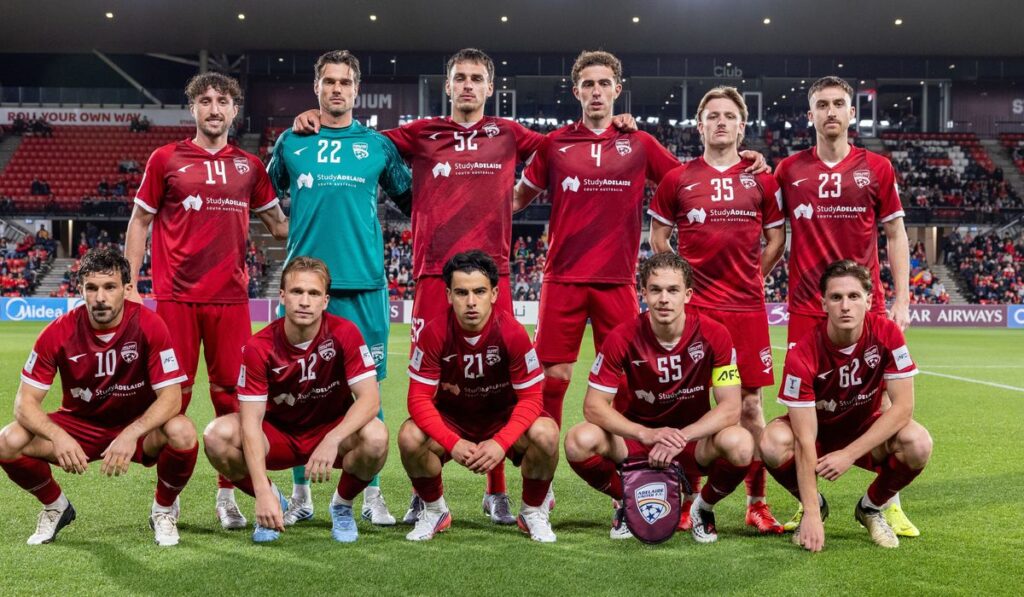




Across Melbourne’s northern suburbs, football clubs are doing everything they can to keep up with demand.
Participation is rising. Teams are expanding. Young players inspired by the Matildas are flooding into community clubs. Training schedules are being pushed later into the night and volunteers are stretching limited facilities simply to keep pace with growth.
But behind the scenes, there is a problem quietly building and it is one that has little to do with the passion of players or the commitment of grassroots clubs.
It sits inside council budgets.
And when the numbers are examined closely, the picture becomes impossible to ignore.
The City of Hume’s current budget reveals a funding reality that should concern every football participant and every ratepayer in the municipality.
For every dollar spent on football infrastructure, Hume City Council is spending roughly ten dollars on AFL and oval-based facilities.
A 10:1 funding ratio against the world game.
For a sport that leads participation across Victoria, that figure isn’t just disappointing – it’s a kick in the guts for football communities across the municipality.
And for those watching the game grow while infrastructure continues to lag behind, it represents something even more troubling.
Ignorance hiding in plain sight.
The Numbers Inside Hume’s Budget
The City of Hume’s 2025-26 capital works program allocates roughly $1.55 million to football-specific infrastructure projects.
That includes:
$1.265 million for the renewal of the synthetic pitch and lighting upgrade at John Ilhan Memorial Reserve
$250,000 for portable change rooms supporting Upfield Soccer Club at Gibb Reserve
$35,000 for a goal cage for Roxburgh Park United Soccer Club
Important projects for the clubs involved, without question.
But when placed alongside the rest of the sports infrastructure spending in the same budget, the disparity becomes glaring.
Oval-based facilities – primarily serving AFL and cricket – receive close to $15 million in funding.
Projects include:
$4.71 million for the Willowbrook Recreation Reserve pavilion expansion
$3.45 million for the Vic Foster Reserve pavilion upgrade
$1.795 million for the redevelopment of Johnstone Street Reserve
$1.294 million for change room upgrades at Lakeside Drive Reserve
$1.207 million for the Bradford Avenue Sports Ground upgrade
Lighting upgrades, pavilion improvements and reserve master planning across additional oval facilities push the total even higher.
The bottom line is simple.
Ten dollars for AFL infrastructure.
One dollar for football.
The Participation Gap No One Wants to Acknowledge.
The imbalance we see in Hume mirrors a broader trend across Victoria.
Participation data shows football sitting comfortably at the top of the sporting ladder, yet infrastructure investment tells a very different story.
Across the state:
Football: approximately 260,000 participants, receiving around $9.31 million in infrastructure investment annually
Netball: around 100,000 participants, receiving $14.35 million
Cricket: roughly 80,000 participants, receiving $33.55 million
AFL: about 140,000 participants, receiving $39.17 million
The sport with the largest participation base receives dramatically less infrastructure funding than codes with significantly fewer players.
Football is carrying the participation numbers.
Other sports are receiving the infrastructure.
And when councils continue allocating funding based on outdated participation assumptions, the gap only widens.
The Pattern Across Melbourne
Hume’s spending decisions sit within a broader trend across metropolitan Melbourne.
In Whitehorse, $28 million has been committed to the redevelopment of Box Hill City Oval.
In neighboring City of Boroondara, significant funding is being directed toward the refurbishment of the Michael Tuck Stand.
Again, the issue is not whether these facilities deserve investment.
Community infrastructure should absolutely be maintained.
But when tens of millions are flowing into upgrades for oval venues while football clubs across Melbourne struggle to secure additional pitches, the imbalance becomes difficult to ignore.
Participation growth is happening in football.
Infrastructure investment is happening somewhere else.
The Frustration From Industry
There is another dimension to this issue that is rarely discussed.
In recent conversations I’ve had with business leaders and industry advocates working across the sports technology and recreation sector, many have openly vented their frustration about the lack of understanding from government when it comes to football’s broader ecosystem.
These are entrepreneurs and innovators working in areas such as performance data, AI scouting platforms, wearable technology, fan engagement systems and digital broadcast infrastructure.
Industries shaping the future of global sport.
Yet many say football innovation in Australia continues to be misunderstood by policymakers who still frame sport through traditional codes rather than recognising the scale of the global football industry.
The irony is clear.
While councils debate whether football deserves additional community pitches, the global football economy is expanding rapidly across technology, data, manufacturing and commercial innovation.
If Australia fails to recognise that opportunity, we risk missing out on industries that will define the future of sport.
A Growing Movement for Change
Last week, the Level the Playing Field campaign was launched at the Victorian State Parliament to raise awareness about exactly this issue.
The campaign highlights the growing gap between football participation and football infrastructure investment across the state.
It shines a light on a reality that grassroots clubs experience every week.
Football participation is surging.
Infrastructure investment is not keeping pace.
And unless that imbalance is addressed, the sport’s growth will eventually collide with the limits of available facilities.
If Not Now, When?
Australia has never had greater momentum behind football.
The Matildas have inspired a new generation of players.
Participation continues to grow across communities.
Clubs are expanding.
Demand is rising.
And yet the infrastructure conversation remains stuck in the past.
If councils cannot recognise football’s growth now – when participation is leading the state and the global opportunity around the sport continues to expand – then the question becomes unavoidable.
If not now, when?
A Civic Responsibility to Speak Up
As CEO of Australia’s leading football business magazine, Soccerscene, I believe it is our civic duty to raise awareness about these issues and help break down the barriers that continue to hold the game back.
For too long, football’s infrastructure challenges have been discussed quietly within the sport itself.
That must change.
Advocating for the growth of the game – and ensuring decision-makers understand the participation reality – is not just about football.
It is about communities, opportunity and fairness for the sport played by more Australians than any other code.
Championing that conversation is part of our responsibility to the game, to the industry that surrounds it, and to the communities that continue to drive its growth.
The Question That Cannot Be Ignored
The numbers inside the Hume City Council budget are clear.
A 10:1 funding ratio against the world game.
For the largest participation sport in the state, that statistic should prompt serious reflection.
As I’ve said before:
“When Hume City Council spends ten times more on AFL infrastructure than the world game, despite football’s participation growth, the problem isn’t demand – it’s ignorance staring us in the face as ratepayers.”
Football is not asking for special treatment.
It is asking for proportional investment that reflects participation, growth and opportunity.
Because if the sport with the largest participation base continues to receive only a fraction of infrastructure investment, the problem is no longer participation.
The problem is how decisions are being made.
And communities across Melbourne are starting to notice.