


Northern NSW Football launches Indigenous Reference Group

Northern NSW Football (NNSWF) has announced the exciting formation of its inaugural Indigenous Reference Group.

The group is made up of seven highly respected members of the football community – including former Matilda Gema Simon, Moree FC’s Darrel Smith and Mick Hugo from South Cardiff FC, as well as Casey Manton (Metford Cobras), Casey King (Italo Stars), Kaliela Thornton (Tamworth FC) and Mat Moncreif.

The group met for the first time virtually on Thursday night (February 3), with the initial meeting a success.

NNSWF Female Participation and Inclusion Officer Annelise Rosnell facilitated the meeting and was thrilled with the positive start for the group.

“It was a really good beginning. We were able to open some initial dialogue on what we want to achieve and how we want to go about it,” she said.

“We have some amazing people who have joined the group and I know given their knowledge and experience we have the ability to make some real progress in this area.

“Our aim is to work together on Indigenous football activities and how NNSWF can better engage Indigenous communities, players, coaches and referees.

“There is plenty of hard work to do but this was certainly an encouraging start.”

NNSWF’s Indigenous Reference Group will meet at least quarterly, but more frequently if needed during the season. Rosnell will report recommendations to NNSWF, which will be factored into the Member Federation’s decision-making process.

NNSWF have been taking positive steps towards connecting with the region’s Aboriginal and Torres Strait Islander heritage.

The Member Federation launched its inaugural RTC Group Indigenous Round across its Premier Competitions last season, in conjunction with National Reconciliation Week.

NNSWF also introduced its first RTC Group NNSWF Talented Indigenous Scholarships to provide assistance to eight Aboriginal and Torres Strait Islander recipients from the Hunter Region and regional northern NSW across playing, coaching and officiating.

The scholarships will again be available in 2022, with details on how to apply made available soon.
Previous ArticleNext Article

Two Mid North Coast Football Clubs Secure NSW Government Infrastructure Grants

Penrith

Great Lakes United and Gloucester SC have been awarded a near combined $340,000 in NSW Government infrastructure funding, with the grants addressing two of the most persistent and practical barriers to football participation in regional communities: poor drainage and inadequate facilities.

The funding comes through the NSW Government’s ClubGrants Category 3 Infrastructure Program, which drew 424 applications in this round and approved 22 projects. The program is designed to fund construction, renovation and fit-out of community infrastructure for disadvantaged NSW communities, including regional and remote areas, culturally and linguistically diverse communities, and people with disability. Both successful football clubs fall under the Football Mid North Coast zone, administered by Northern NSW Football.

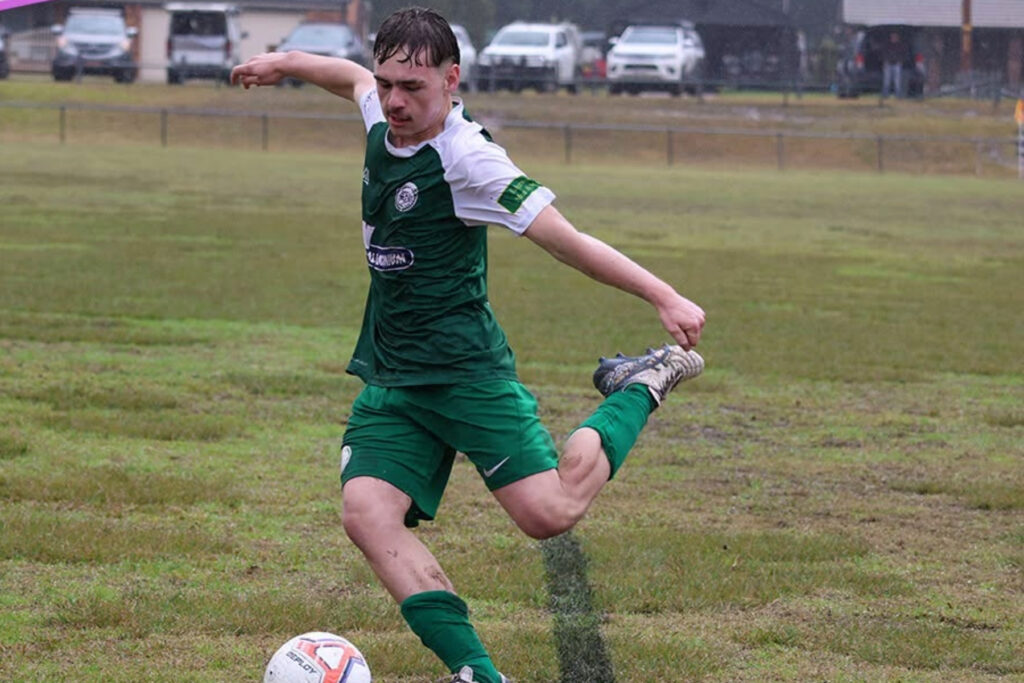
Gloucester SC received $254,603 to construct all-abilities toilets, showers and referee facilities. Great Lakes United secured $84,200 for drainage installation at Boronia Park Sports Complex, a project aimed at reducing weather-related disruptions and improving field usability across the season.

Infrastructure gaps that are holding the game back

Football is the largest participation sport in NSW, with close to 300,000 registered players using approximately 1,000 sites and 2,250 playing fields every week, yet the facilities supporting that participation aren’t built to handle the scale or diversity of the game as it exists today.

Northern NSW Football’s own assessment of the problem is frank. The federation has previously identified drainage, lighting and inclusive changerooms as the foundational infrastructure gaps most likely to determine whether facilities are functional, safe and accessible year-round.

Female football participation in NSW has grown by 26% since 2014, placing particular pressure on clubs whose amenities were not designed with women and girls in mind. Gloucester SC’s all-abilities toilet and shower block, while framed as an accessibility upgrade, carries that broader implication: facilities built for a narrower participation base are increasingly inadequate for the game being played in them.

NNSWF Government Relations Manager Gary Fisher said the outcomes reflected the kind of community-driven football the federation exists to support. “Great Lakes United and Gloucester SC are wonderful examples of community football driven by dedicated volunteers, passionate families and strong local spirit,” Fisher said. “This funding will make a meaningful difference in helping both clubs continue to grow and provide positive experiences for players of all ages and abilities.”

A federation building its case for government investment

The grants also reflect a deliberate shift in how Northern NSW Football engages with government funding. The federation has previously described football as under-funded and committed to engaging more diligently with government, including appointing a full-time government relations manager to advocate for the region. The ClubGrants outcome is a direct product of that approach.

NNSWF’s recently released Member Zone Infrastructure Strategies are designed to strengthen the federation’s alignment with government funding priorities, providing the evidence base needed to support grant applications and long-term facility planning.

“Ultimately we want to create more inclusive and accessible environments for everyone involved in the game while building stronger, more sustainable clubs and communities for the future,” says Fisher.

NNSWF’s own Facilities Fund, established in 2019, has invested more than $1.6 million in community infrastructure since inception, with partnering funding bringing the total project value to over $3.7 million. The ClubGrants wins for Gloucester SC and Great Lakes United extend that pattern of layered, multi-source funding.

Across 2025/26, a total of $12.75 million was allocated through two rounds of ClubGrants Category 3, building on the $12.6 million provided in 2024/25 for 83 projects. For two volunteer-run clubs on the NSW Mid North Coast, competing against 424 applications to land a place among 22 funded projects represents a significant outcome, and a sign that NNSWF’s government relations infrastructure is beginning to pay off.

Female Football Week kicks off across Northern NSW

Female Football Week has officially begun across Northern NSW, with a program of gala days, networking events and awards ceremonies running until Sunday May 17, marking a ten-day celebration that organisers say reflects both the growth of women’s football in the region and the work still required to sustain it.

The national initiative, now a fixture on the football calendar, provides a dedicated period of visibility for female participants across all levels of the game from players, coaches, referees to volunteers, whose contributions have historically received less recognition than their male counterparts.

NNSWF Participation and Women’s Football Officer Serena Carter said the week offered something for everyone connected to women’s football in the region.

“Female Football Week provides a fantastic chance to highlight the dedication and skill of female players, coaches, referees and volunteers across the northern NSW community,” Carter said. “There’s something for everyone to enjoy, from grassroots participants to elite competitors.”

Women’s football in northern NSW spans remote and regional communities where clubs operate on limited resources, alongside more established metropolitan programs with clearer development pathways. Female Football Week creates a moment of shared recognition across that spectrum and acknowledges the role volunteers play, from running the canteen to progressing through the pathway.

Northern NSW Football has recorded some of its strongest participation numbers in women’s and girls’ football in recent seasons, a trend that has placed increasing pressure on clubs and facilities to keep pace. The week’s events offer clubs an opportunity to showcase their commitment to diversity and inclusion at a time when that commitment is being tested by growth.

Most Popular Topics

Editor Picks

Send this to a friend