



Mic’d up referees give a valuable insight

Being a referee is a tough gig. There’s pressure on each decision, screaming fans roaring over every call and constant criticism if things go wrong.

Often we watch a game and look at a referee’s adjudication of an incident without us being offered a chance to see the reasoning behind it. When a decision is made, it sometimes leaves us scratching our heads as to how the referee came to their conclusion.

In Australia at least, it could all be changing very quickly. Experienced referee Jarred Gillett took part in his final A-League match between Brisbane Roar and Western Sydney Wanderers before heading to the Championship in England – and had a microphone to record every decision, player conversion and communication between each of the other officials.

This coverage by Fox Sports was a rare insight into how officiating works and for the world game it’s something that’s innovative.

Other major sporting codes around the world use microphones to give viewers a better understanding for what is going on. With soccer leagues and tournaments slowly converting to Video Assistant Referees (VAR), microphones could be of great use as referees deliberate on their final decision.

Fox Sports and Football Federation Australia should seriously consider paving the way for microphone usage, which should enhance the A-League experience.

The match with Gillett received positive reviews and would be something new to see for the world game if this is pursued further.

In case you missed it, here’s the example of how microphone usage can work:

 

Previous ArticleNext Article

Football Victoria campaign for upgrade to Baranduda Fields

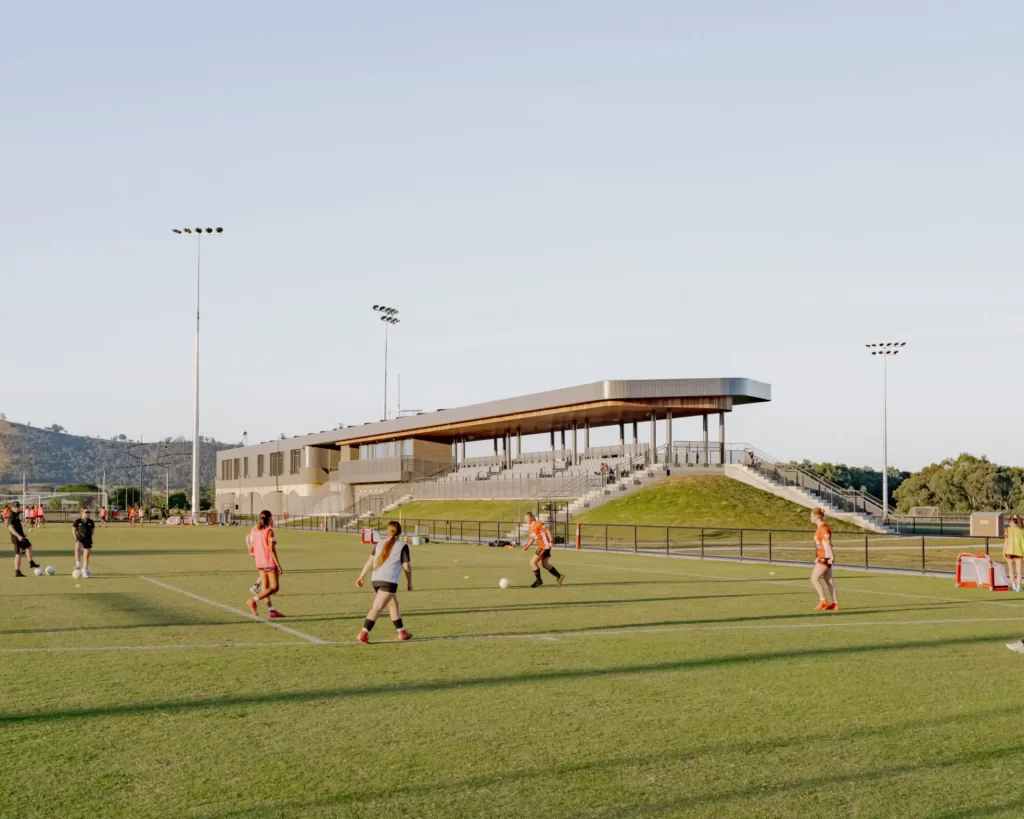
Football Victoria is partnering with the local community of Wodonga in advocating for a significant expansion of Baranduda Fields to help accommodate the rapid growth of football participation in the region.

Wodonga, a growing regional city south of the Victoria/New South Wales border, has seen involvement in football increase by over 130% in just six years.

A massive part of that is the growth of women’s & girl’s football, with participation increasing by almost 300% in the last six years alone.

With such a dramatic rise, the current facilities are not able to meet the demand. 

Alongside the local community, Football Victoria is campaigning for a synthetic pitch and lighting infrastructure to be provided for Baranduda Fields. This would provide players the chance to play year round, including at times when the weather may preclude use of traditional pitches.

It would not only help Murray United FC, who play and train there, but create a regional football hub capable of supporting the increase in activity within the local area.

Football Victoria’s Head of Government Relations & Facilities, Lachlan Cole, said in a press release, ‘The growth of football across this part of Victoria has been extraordinary, and the numbers tell only part of the story.’

‘Football Victoria has a strategic commitment to regional football, and Baranduda Fields gives us the opportunity to think beyond one club for the benefit of a whole region,’ he said.

Whilst the demand for football continues to grow across the country, areas like Wodonga are feeling the exponential rise more than others. Particularly highlighted by the dramatic increase in female participation, the need for upgraded accommodation is no longer a future consideration.

Speaking to Football Victoria, Murray United FC Chairman Pedro Afonso said, ‘A synthetic pitch and lighting would unlock much-needed access to the regions first synthetic football pitch, which provides major benefits to all year round participation and provides access in all weather conditions.’

‘More space and capacity gives Murray United and the sport in the region ability to keep growing. The demand is here – we need the infrastructure to match it.’

Whilst the games grows, the facilities need to be available to sustain it. Football Victoria’s pledge to help maintain that is exactly what the next generation requires.

Football Victoria demands more Victorian Government support amid grassroots boom

Football Victoria is targeting Victorian Government funding for Glen Eira FC, in order to improve the club’s facilities and accommodate a recent surge in participation.

The interest and demand in football across Melbourne is ever growing, and Glen Eira FC is one such example.

Located in Melbourne’s inner south-east, the club has more than 1,100 players with nearly 95% of them aged 18 or under. In the suburb of Bentleigh alone, football participation has increased 18% alongside female engagement growing 76% in recent years.

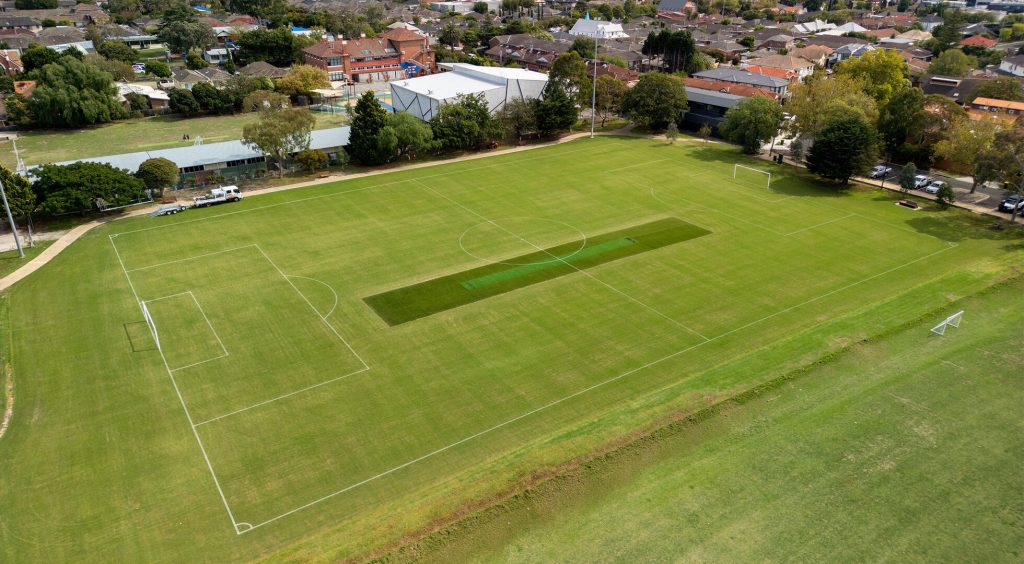
However, at Marlborough Street Reserve, the conditions of the pitch – specifically during winter – can curb accessibility. Wet weather, non-stop usage and limited capacity make it difficult to accommodate all club members. This results in restricted training and playing opportunities.

Lachlan Cole, Football Victoria’s Head of Government Relations & Facilities, said via Football Victoria: “The story at Glen Eira FC is one we are seeing right across Victoria and specifically in Metropolitan Melbourne. Participation is growing, particularly among juniors, women and girls, but the infrastructure needed to support that growth is buckling under the weight of demand.”

To tackle this, both Football Victoria and Glen Eira FC want to convert the existing pitch to a synthetic surface and provide improved lighting for the ground. This would create a more reliable environment for players and support the growing demand for football in that community.

Speaking to Football Victoria, Glen Eira FC President Odilia Wijburg said, “A new sporting precinct with a synthetic pitch would be a game changer, providing year-round access, supporting participation growth and creating a lasting community asset that will benefit local families for generations.”

These issues are not exclusive to just Victoria, but are instead seen nation-wide. Football NSW recently pledged over AUD 200,000 to three amateur clubs to help upgrade their facilities and support the local communities.

Despite the increased interest in the game, the lack of reliable infrastructure, especially in grassroots football, leaves not only local areas without proper facilities, but creates a complicated road for young players hoping to navigate to the top of the game. 

Without the support of the Victorian Government, grassroots football could suffer an underwhelming fate. If the game is not supported from the bottom, the top might not reap the rewards of the next generation. And if that happens, alongside local communities, both the domestic leagues and the international team may suffer.

Most Popular Topics

Editor Picks

Send this to a friend