


Wellington Phoenix to be in tip-top shape with Anytime Fitness

Anytime Fitness and Wellington Phoenix

Wellington Phoenix has announced an exciting partnership with global fitness chain Anytime Fitness.

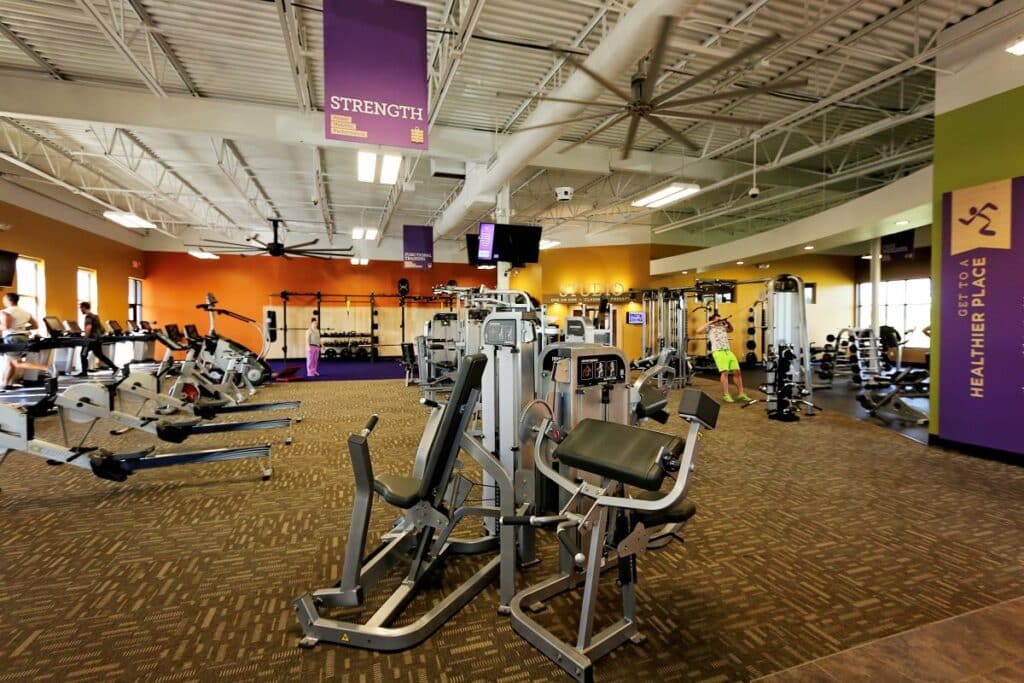
The deal will grant the entire club access to Anytime Fitness locations both in New Zealand and Australia.

Anytime Fitness has a considerable market share in both nations 24/7 locations found in 60 spots in New Zealand, and 540 clubs in Australia. The brand has in total 5000 gyms globally.

Under the agreement, club players will have access to all these facilities – a huge win for the often-travelling club.

In recent years, the Phoenix had struggled to find training facilities when they were away from their training base at The New Zealand Campus of Innovation and Sport in Upper Hutt.

However, with this new deal the club is confident that players both in the first teams and their academy sides will now have access to state-of-the-art facilities even when they are on the road.

The Phoenix’s head of strength and conditioning, Weijie Lim, heralded the deal as a ‘game changer’ for the club.

“I think it’s really beneficial for us at all levels of the club,” he said via press release.

“When the men and women are in Australia during the A-Leagues seasons the players now have top quality facilities they can utilise.

“In the past it’s been quite difficult for us to find accessible facilities in different cities and states across Australia. This partnership is going to make our lives a lot easier when we’re on the road.

“Anytime Fitness’ central Wellington gym is also great for the club, especially for our top end academy players, who can now get all their strength work done together in one centralised location.

“The staff at Kent Terrace are very welcoming and it’s a convenient gym for players to access and utilise throughout the season.”

Anytime Fitness New Zealand CEO Cam Ward also expressed his company’s thrill at paring with the nation’s club.

“At Anytime Fitness, we believe in the power of community and the transformative effects of fitness on individuals’ lives,” he added via press release.

“Teaming up with the Wellington Phoenix aligns perfectly with our mission to inspire healthier lifestyles and create a positive influence within the community.

“This collaboration marks an exciting chapter in our journey to make fitness accessible to all, and we can’t wait to see the positive outcomes it brings forth.”

This is an exciting deal for both partners as they look to grow.

For Anytime Fitness, they will be looking to the club’s branding power as a strong incentive to get more gym goers to choose them.

In the Phoenix’s case, the security this deal brings to their training and recovery programs may just be the push that the club needs to boost itself beyond the mid-table in the upcoming A-League seasons.

This partnership is also great for club members who will be able to get 10% off on a 12 month Anytime Fitness membership.

Previous ArticleNext Article

Thornaby FC’s community commitment leads the way, but football fans continue to suffer

The cost of living crisis has impacted people and businesses worldwide and football is no different.

Football fans globally – and especially top flight British supporters – are being priced out of the game they created, and by the teams they have supported their whole lives.

In the 2024/25 season, 19 of 20 Premier League clubs raised their ticket prices. The highest single jump was a 28% increase, and additionally an 11% hike on tickets for children. Between 1990-2025, football fans in the UK have seen their ticket prices increase by an immense 800%. 

The fan reaction has been continually damning. Via the UK-based Football Supporters’ Association, over one hundred supporter groups campaigned for Premier League clubs to freeze ticket prices at home games for two seasons, as part of the Stop Exploiting Loyalty Campaign.

An FSA statement reads: ‘Football is for everyone. Rising prices are making it harder for regular fans, especially younger generations and working-class communities to attend matches.’ 

With fans of clubs from right across the country united on the matter, their position was clear: stop taking football from the people.

One club that did heed the message were North Yorkshire non-league side, Thornaby FC. This season, they are offering free season tickets to local residents for both men’s and women’s games.

Over 20,000 people are eligible thanks to the partnership between the club and the local council. With the club awarded AUD 12,000 (GBP 6,500), the initiative aims to bring the community together and drive locals to games.

This is not seen as a final solution, but certainly a major step in gaining support and interest for the team; in turn it will hopefully drive local investment, revenue and growth via the community that supports it, as opposed to investment groups that potentially hold less interest in the health of the club and its community. 

The Stop Exploiting Loyalty Campaign has also gained the support of MPs in Parliament. In March, they recognised the problem and as part of an Early Day Motion stated: ‘working-class and young supporters are being priced out; squeezing out local and dedicated fans poses an existential threat to the culture and community of football.’

While those words may be encouraging, what they can change in their current systematic position feels minimal.


The World Cup is another example of football fans suffering greatly at the hands of commercial interests.

On the grandest stage, where fans from around the world gather en masse to support their nations and the spirit of the game should in theory be at its most authentic, fans are deliberately exploited by FIFA.

According to Forbes Middle East, the 2026 edition in the USA, Canada and Mexico saw a rise in ticket prices for 90 of the 104 matches compared to the previous edition in Qatar.

Football is being held up by investors and governing bodies like a puppet on strings. They deem growth to be the only measure of success.

Growth is of course a key requirement of success, but what good is that when it sees the interests of local communities, including loyal football fans, pushed to the side? When it comes to modern day football, good deeds – such as those committed by Thornaby FC – are rarely seen as time well spent.

The pursuit for growth is also not just financial. Human attention is a newly monetised market; from streaming views to social-media engagement to email sign-ups. As football continues its global push into lounge rooms and onto smartphones, it is at major risk of overlooking those who commit their time and resources to stand in the terraces or sit in the stands.

Nike to end Adidas’ 25-year run as UEFA Champions League ball supplier

Nike has signed with UEFA to supply the ball for the Men’s Champions League competition for the next four seasons, with the agreement reportedly in the region of AUD 65.3 million (EUR 40 million).

Nike previously supplied the ball for the top level of men’s European club football from 1998-2001, before Adidas commenced a 25-year partnership early in the millennium.

The new deal will also see Nike replace Decathlon brand Kipsta as the ball supplier for UEFA’s Europa and Conference League competitions, marking the first time one manufacturer has fulfilled all three competitions.

While the specific figure of the deal remains undisclosed, the Financial Times has reported the approximate figure has doubled the value of UEFA’s current agreement with Adidas and Decathlon.

‘Football is the world’s game, and the ball is at the centre of it, the one thing every player, in every competition, has in common,’ said Camilo Andrade, vice president and general manager of Nike Football.

‘This is a long-term commitment for Nike. We will listen to the athlete’s voice, push the edges of innovation, honour the prestige and tradition of these competitions, and make sure the ball represents the instinct, creativity and joy football brings to billions of fans.’

The contract comes as welcome news for Nike, who have been without a ball supply deal across elite European football since the end of a 25-year partnership of their own, with the Premier League moving to Puma from the start of the 2025/26 season.

Nike has also recently farewelled Kylian Mbappe, with the France and PSG star – and one of the most recognisable athletes in the world – signing with relatively lesser-known Swiss company On, rather than extend his deal.

Despite the end of their quarter century Champions League agreement, UEFA and Adidas remain in partnership on a number of fronts; the heritage German manufacturer remains the official match ball supplier for the Women’s Champions League, Euro 2028, and the Nations League.

Most Popular Topics

Editor Picks

Send this to a friend