

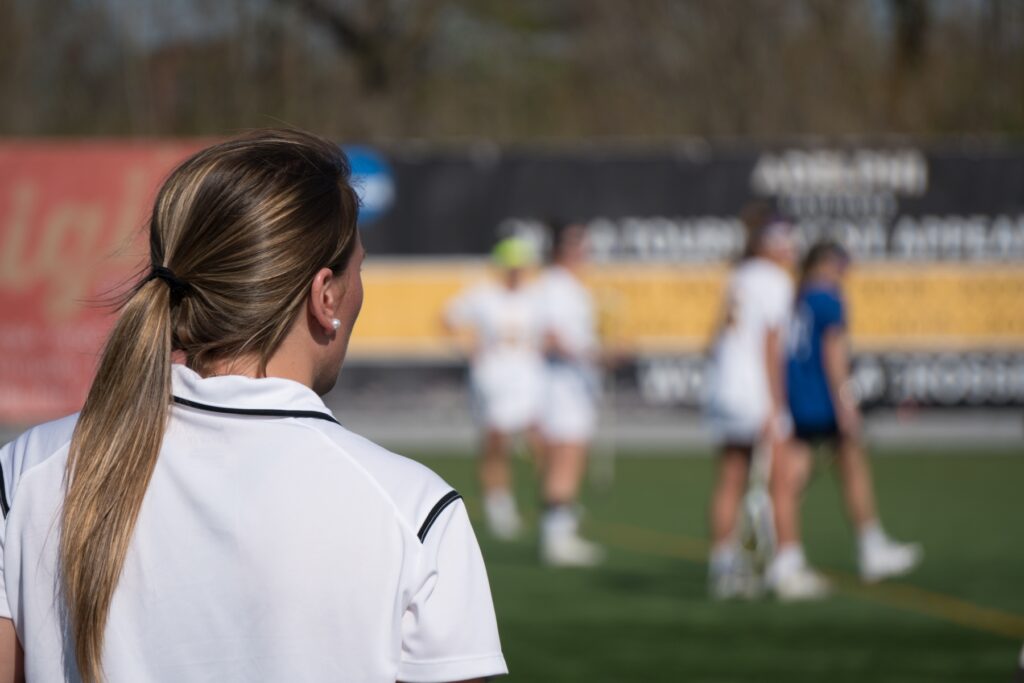
FIFA implement measures to protect female players and coaches

FIFA has announced several amendments to the current Regulations on the Status and Transfer of Players (RSTP). These changes have been approved by the FIFA Council by May 2024 and have been brought into effect from June 1.

These changes are majorly focused on women and the impact that menstruation and pregnancy have on their careers.

A meeting of key stakeholders and FIFA members resulted in these new regulations advancing the women’s game.

These include:

  • FIFA female players and coaches can now receive a minimum of 14 weeks of paid maternity leave.
  • A minimum of 8 weeks of paid absence for female coaches and players who adopt a child under the age of 2.
  • Also, a minimum of 8 weeks paid absence from the birth of the child if they are not the biological mother (for example same-sex parenthood).
  • Players are entitled to full remuneration if they are absent from training or games due to menstruation or pregnancy health reasons.
  • There is increased support for female players in contacting families during national team contexts to ease pressure on children and mothers.

FIFA Chief Legal & Compliance Officer Emilio García Silvero has commented on the recent changes:

“FIFA is committed to implementing a dynamic regulatory framework that is sound and suitable for the increasing needs of female players and coaches,” he said via media release.

“In order for the game to further flourish, it’s key that we have a holistic approach towards player well-being, including the legal aspects.”

This is a huge advancement in the game’s equality mission as FIFA has recognised and actively planned to ease the physical, psychological and social dimensions of pregnancy and menstruation for women athletes.

These regulations fit Goal 2 in FIFA’s Strategic Objectives for the Global Game: 2023-2027, which describe the organisation’s commitment to exploring and implementing further safeguards for player and coach welfare.

FIFA Chief Football Women’s Officer Dame Sarai Bareman outlined the importance of placing women’s physical health in the legal and mainstream dialogue of the sport.

“When you’re playing sport for a living, and in a professional environment, we have to factor in that the female menstrual cycle can also impact on your ability to deliver within your role,” she added via media release.

“So, it’s important that we protect … those that are affected by their menstrual cycles in a way that it doesn’t put at risk their employment situation with their club and, ultimately, their ability to earn money.”

This announcement shows the players are becoming the major stakeholders in laws and regulations around their welfare.

This is an important strategy for the equality of the game by making sure that women’s sporting careers are not put on hold or impacted by their natural body function or raising a child.
Previous ArticleNext Article

WA Government and Virgin Australia Partner to Bring Discounted Flights for Italian Football Series in Perth

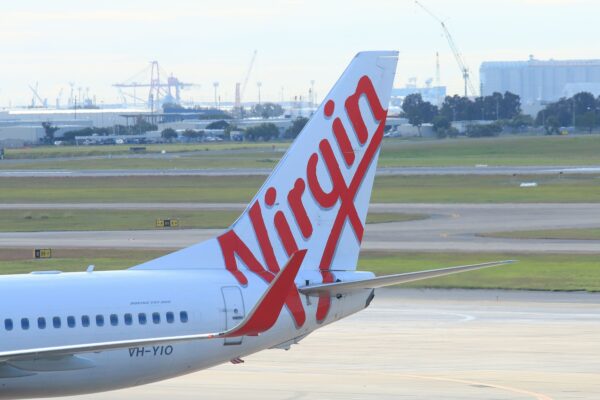
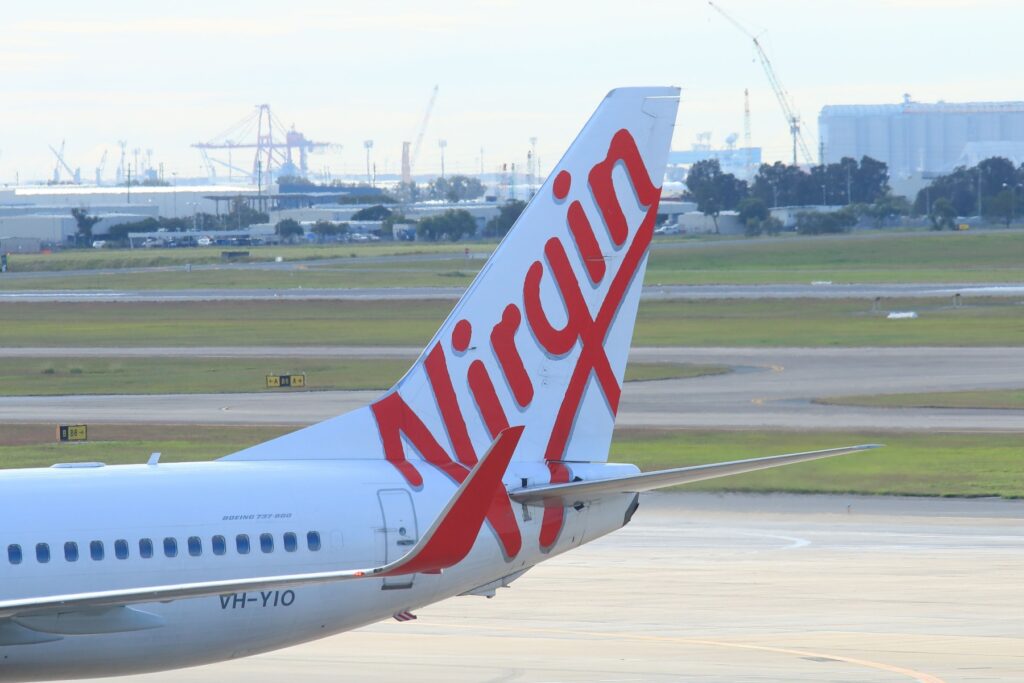
The Western Australian Government has partnered with Virgin Australia to offer discounted airfares to Perth ahead of a three-match series featuring AC Milan, Inter Milan, Juventus and Palermo, in a move that reflects how state governments are increasingly using major sporting fixtures as tools of tourism and economic strategy.

Subsidising travel costs rather than simply promoting the matches signals a shift in how state governments are approaching major sporting events. WA Tourism Minister Reece Whitby positioned the series within the state’s broader Winter of Unmissable Sport strategy, framing the partnership as a way to fill hotels, support local businesses and generate visible economic activity across a single week of programming. That logic places football alongside other major events states have used to justify public investment in visitor attraction, where the return is measured in tourism spend rather than ticket revenue alone.

A bet on Australia’s appetite for European football

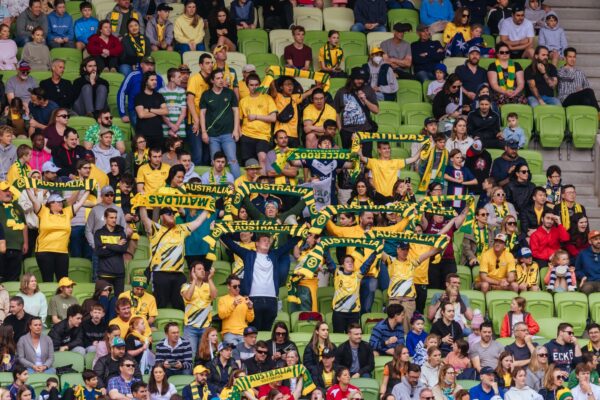
Touring Italian clubs is not a routine occurrence in Australia, and Sport and Recreation Minister Rita Saffioti’s comments point to an underlying assumption behind the investment: that the existing fan base for European football in Australia is substantial enough to justify a state government underwriting travel costs to fill a stadium on the other side of the country.

Australian audiences for international football have grown considerably over the past decade, driven by streaming access, diaspora communities and the rising visibility of leagues once difficult to follow locally. State governments positioning themselves to capture economic value from that growth, rather than leaving it to broadcasters and travel operators, marks a change in how football’s commercial footprint in Australia is being treated by policymakers.

It also raises a question likely to recur as more international club fixtures are scheduled in Australian cities: whether public subsidy for travel around marquee football events delivers economic value beyond the host city, or whether the benefit is concentrated narrowly within the host state’s tourism and hospitality sectors. Virgin Australia’s involvement reflects the commercial logic on the airline side, with the partnership forming part of a broader push to connect Australians with major domestic and international destinations.

For the domestic football industry, the series is a reminder that international club football is competing for the same audience attention as the A-Leagues and grassroots competitions. Whether that competition proves complementary or extractive, in terms of where football-related spending in Australia ultimately lands, is a question state and national football bodies are likely to watch closely as similar fixtures become more frequent.

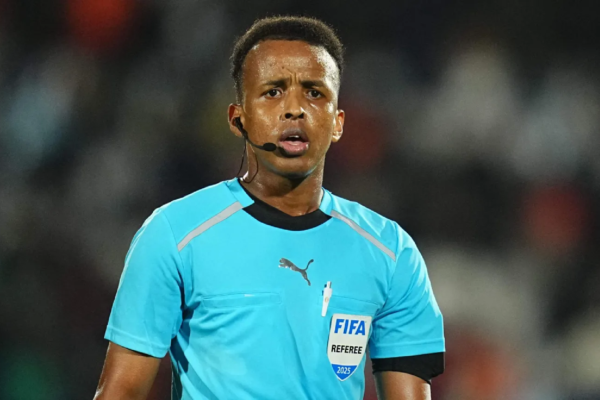
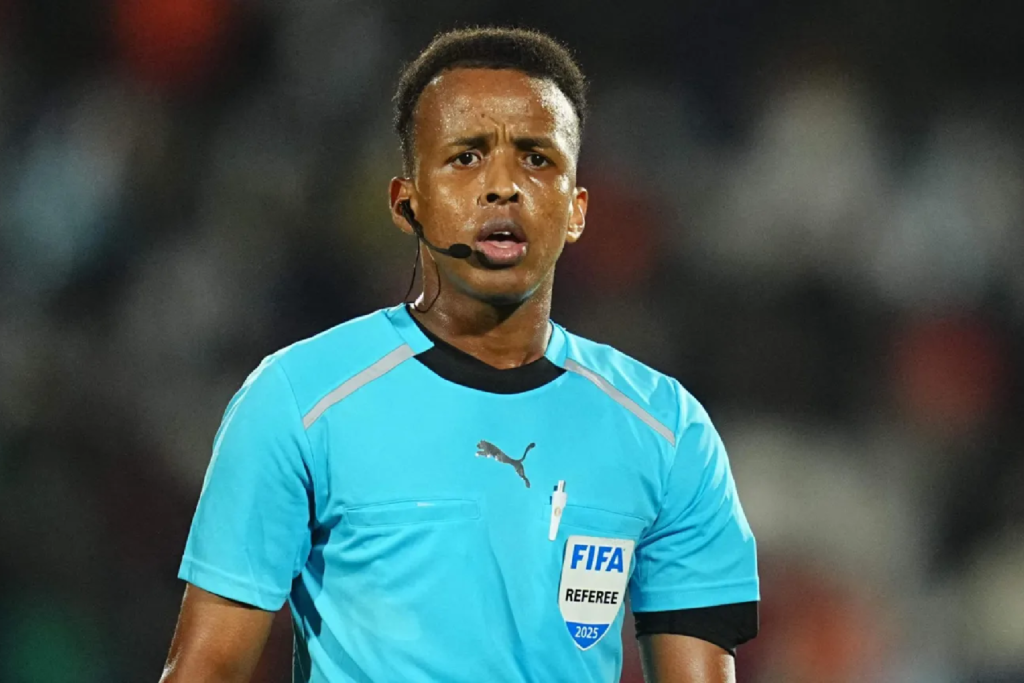
Referee Omar Artan appointed to UEFA Super Cup Final

The Somali referee will officiate the 2026 UEFA Super Cup in August between Paris Saint-Germain and Aston Villa.


World Cup controversy to Super Cup support

As 2025’s CAF Men’s Referee of the Year, Artan stands as one of the world’s leading match officials.

His expertise and skill allowed him to enter FIFA’s international list in 2018, and has since proved an outstanding ability as a referee, culminating in the CAF Men’s Referee of the Year award last year.

Despite Artan’s capabilities and reputation, his dream of officiating this summer’s World Cup tournament met a premature ending. The referee couldn’t enter into the US after arriving on a diplomatic passport and single entry visa, and was subsequently forced to return home to Somalia.

But Artan’s journey as a referee on the global stage is far from over, as UEFA and CAF confirmed that Artan will officiate the UEFA Super Cup clash between Champions League winners, PSG, and Europa League winners, Aston Villa, in Salzburg this August.


Upholding the partnership

In April of this year, UEFA and CAF signed a new Memorandum of Understanding (MoU), which promised to utilise mutual support to encourage development, inclusion and wellbeing in football.

The MoU aligns unity, cohesion and partnership between two powerhouse continents of world football.

And now, the alignment is stronger and clearer than ever. In the midst of a major blow to Artan’s personal and professional dreams, UEFA and CAF’s partnership provided an opportunity.

“Omar is an excellent young but already experienced referee, who has proven himself at the highest competition level of the Confederation of African Football,” said UEFA President Aleksander Čeferin via media release.

“Football is made to connect people, and UEFA wants to show its respect to Omar and his outstanding officiating skills, which had earned him such a prestigious nomination.”

Furthermore, CAF President, Dr Patrice Motsepe, outlined why the initiative perfectly embodies the nature of a partnership between UEFA and CAF.

“This is a great honour for Omar Artan and for African referees and is also an excellent example of football bringing together and uniting people from Africa and Europe and worldwide.”


Final thoughts

Out of bitter disappointment and controversy comes a far more positive reflection of football’s influence and impact. It also proves that an MoU is more than just signatures, but a genuine promise to support the game and all within it.

A partnership like this has the power to help millions at once.

But sometimes, helping just one person is all it takes to prove its worth.

Most Popular Topics

Editor Picks

Send this to a friend