


Australian Sports Foundation teams up with revolutioniseSPORT

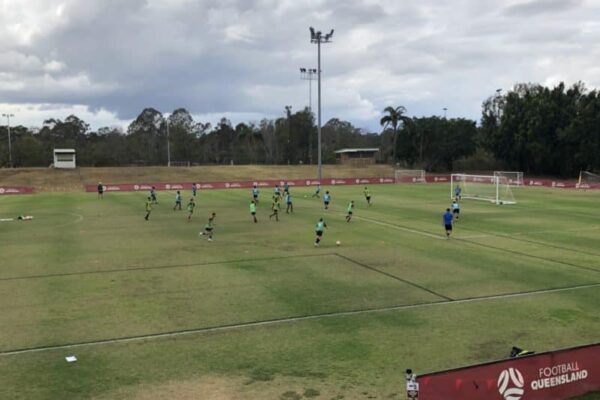
Playing soccer

The Australian Sports Foundation (ASF) has unveiled a new collaboration with the leading online management platform revolutioniseSPORT (revSPORT) to enhance fundraising options and simplify operations for grassroots organisations.

This collaboration enables clubs using revSPORT to effortlessly receive tax-deductible donations from members during the registration process, thanks to the introduction of the membership donation add-on.

The ASF and revSPORT membership donation add-on provides significant benefits to sports clubs by offering new revenue opportunities through tax-deductible donations integrated into the registration process.

This streamlined approach allows clubs to easily secure vital funding to cover expenses such as equipment and facilities.

Automating donation management through the membership donation add-on minimises administrative work, freeing up volunteers to concentrate on improving the overall sporting experience.

Starting in December, ASF’s fundraising platform will be fully integrated with revolutioniseSPORT’s comprehensive sports management system, allowing members to handle operational data like schedules, payments, and registrations through a single, user-friendly interface.

With an API (Application Programming Interface) integration, ASF and revolutioniseSPORT will join forces to simplify the fundraising process, providing a critical financial boost during tough economic times.

The upgraded tools and resources will enable year-round fundraising, enhance communication and engagement, and leverage technology to reduce the administrative load on community clubs and associations.

ASF’s CEO, Sue Hunt AM, explained how this deal will benefit the sports industry.

“As part of our commitment to supporting grassroots sports, the Australian Sports Foundation is excited to announce this collaboration with revSPORT, one that will provide the tools to grow and sustain funding at a critical time for our sports industry,” she said via press release.

“Our investment in technology is a cornerstone of our mission to support Australian sport, and this partnership with revSPORT is a perfect example of how we’re expanding our capabilities for the benefit of our sporting community. By harnessing innovative digital solutions, we can offer streamlined, accessible fundraising opportunities that empower sports organisations, especially at the grassroots level.

“These advancements are making it easier for clubs and teams across the country to secure the funding they need, allowing them to focus on what truly matters: enhancing the participant experience, supporting volunteers, and fostering a thriving sports culture.”

Chief Operations Officer of revSPORT, Nic Watkins, encouraged the 18,000 local clubs and 270 governing bodies currently using the platform to take advantage of the benefits offered by the ASF partnership.

“Australian sports clubs have been in desperate need of a revolutionary solution to funding and fundraising. Coming from club-land ourselves, we understand this challenge all too well – they are under-resourced and underfunded. That is why we built revSPORT, to simplify sport and maximise the impact of grassroots administrators,” he said via press release.

“Our exclusive partnership with the Australian Sports Foundation has the power to change the face of our industry. By providing an innovative solution centred on an exceptional user experience, sporting clubs using revSPORT will be able to leverage the capabilities of our two organisations, and unlock previously untapped revenue opportunities.”

To view more information about the Australian Sports Foundation, click here.

To know more about revolutioniseSPORT, click here.

Previous ArticleNext Article

Coventry City set for stadium redevelopment

Newly promoted Premier League club Coventry City have announced a $29 million deal to redevelop their current stadium.

Following a Championship winning 2025/26 campaign which saw the club return to the top-flight for the first time in 25 years, Coventry is hoping to transform CBS Arena into a destination stadium.

The project will focus on upgrading the stadium’s premium hospitality areas, with several new lounges, suites and event spaces planned as part of the redevelopment.

The investment is part of the club’s long-term vision to maximise the venues year-round commercial potential.

Work on the stadium redevelopment is expected to be carried out over the next three years alongside Coventry City’s home fixture schedule.

Coventry City Owner and Executive Chairman Doug King said the investment represents a significant milestone for both the club and the CBS Arena.

The investment demonstrates a commitment to developing the venue into one of the leading multi-purpose stadiums in the region.

The announcement follows a growing trend across English football, with clubs continuing to invest in stadium infrastructure as they seek to diversify revenue streams beyond ticket sales.

Hospitality, conferencing and live events have become increasingly important sources of income, particularly as clubs look to improve long-term financial sustainability.

Venue management company Legends Global is the club’s new long-term partner as part of the project.

Legends Global said Coventry fans deserve a venue experience that matches the occasion, with the partnership focused on transforming the stadium and raising the standard of what it offers.

The CBS Arena has been Coventry City’s home since 2005 and regularly hosts major sporting events, concerts and business functions.


UEFA set to end FIFA boycott threat after World Cup investment plan collapse

UEFA is set to withdraw its threat to boycott FIFA competitions after receiving assurances that a controversial private investment plan will not return. The dispute originally centred on FIFA President Gianni Infantino’s proposal to bring private investors into the commercial rights of the World Cup and other FIFA tournaments.

UEFA strongly opposed the plan. European football leaders argued that major international competitions should not become investment products. FIFA later withdrew the proposal. However, UEFA continued to demand guarantees that it would not be revived.

Those assurances now appear to have eased the immediate conflict.

FIFA’s money move

The dispute was about more than football governance. It raised a major question about who controls football’s most valuable commercial assets.

Infantino’s proposal involved creating a new commercial structure that could have attracted billions of dollars from private investors. Reports put the proposed business at around $28 billion ($20 billion USD), with investors set to take a stake in the new entity. For FIFA, private capital could have created new opportunities to expand commercial revenue and fund football development. For investors, World Cup-related rights would offer exposure to one of the world’s most valuable sporting properties.

But UEFA’s opposition highlighted the risks. Selling part of the commercial upside could reduce FIFA’s control over future revenue and create pressure to prioritise financial returns.

Why it matters for football

The outcome could shape how football’s biggest competitions are financed in the future. FIFA still controls enormous global media, sponsorship and commercial assets. Any move to bring outside investors into those assets could change the balance of power across the sport.

The failed proposal also exposed tensions between FIFA and major football confederations. UEFA, CONCACAF and the AFC all criticised the original plan.

For clubs, broadcasters and sponsors, stability matters. A prolonged dispute between FIFA and UEFA could create uncertainty around competition. The FIFA Under 20 Women’s World Cup kicks off on September 5th. Not only was there debate over whether European nations would participate, but the tournament is being held in the European nation of Poland.

With the boycott officially over, the disruption to the tournament has been alleviated, but wider tensions still remain.

The conflict is not over

UEFA may now drop its boycott threat, but its discontent with Infantino’s leadership remains.

UEFA leaders continue to push for a change at the top of FIFA. European football figures have also called for greater transparency and stronger consultation with football stakeholders. So whilst the immediate business threat has eased, the bigger question remains. Who should control football’s future commercial growth and who could contest Infantino in March at the next presidential election?

Most Popular Topics

Editor Picks

Send this to a friend