


Football Queensland’s Drives Infrastructure Growth in the North

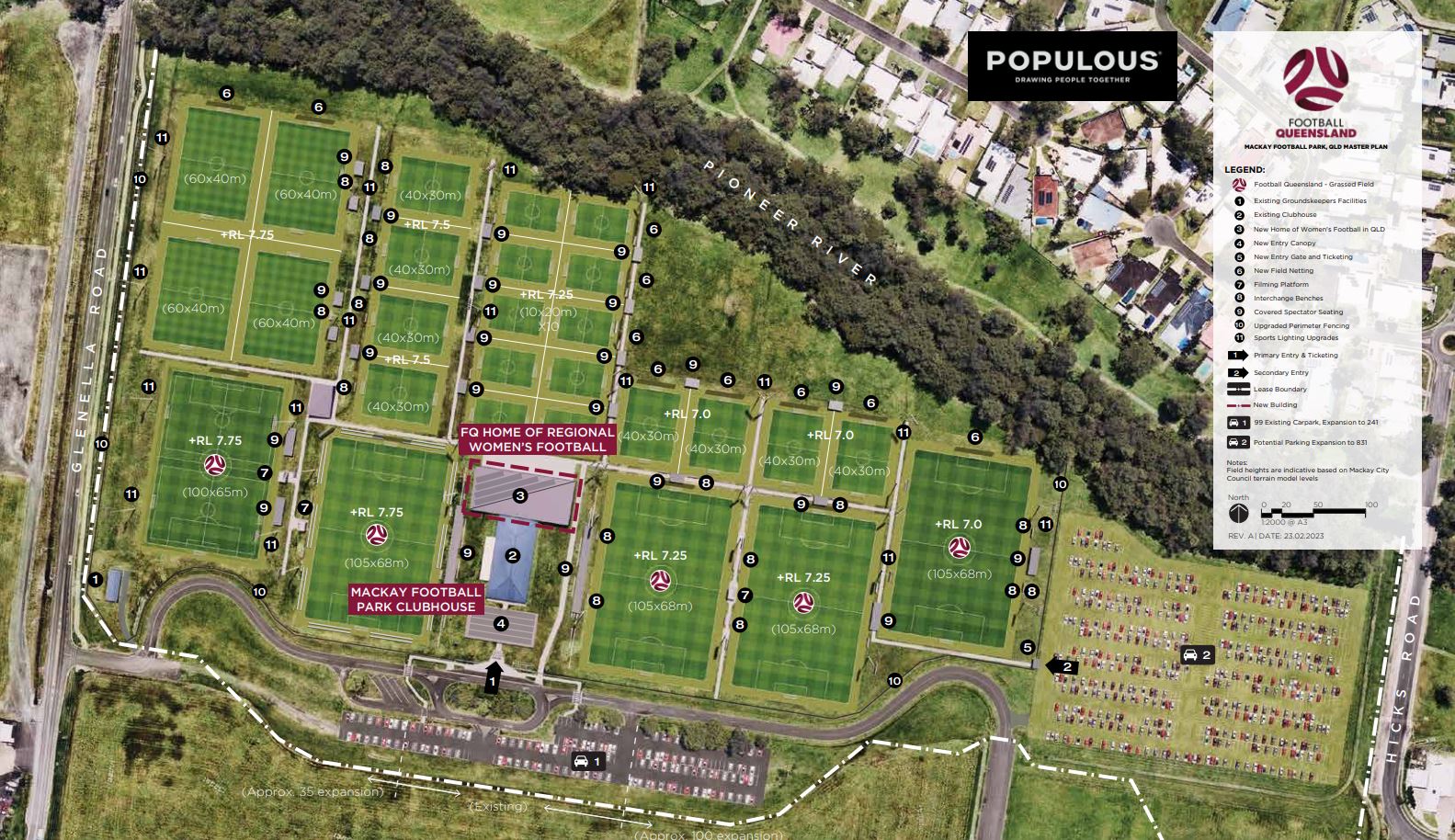
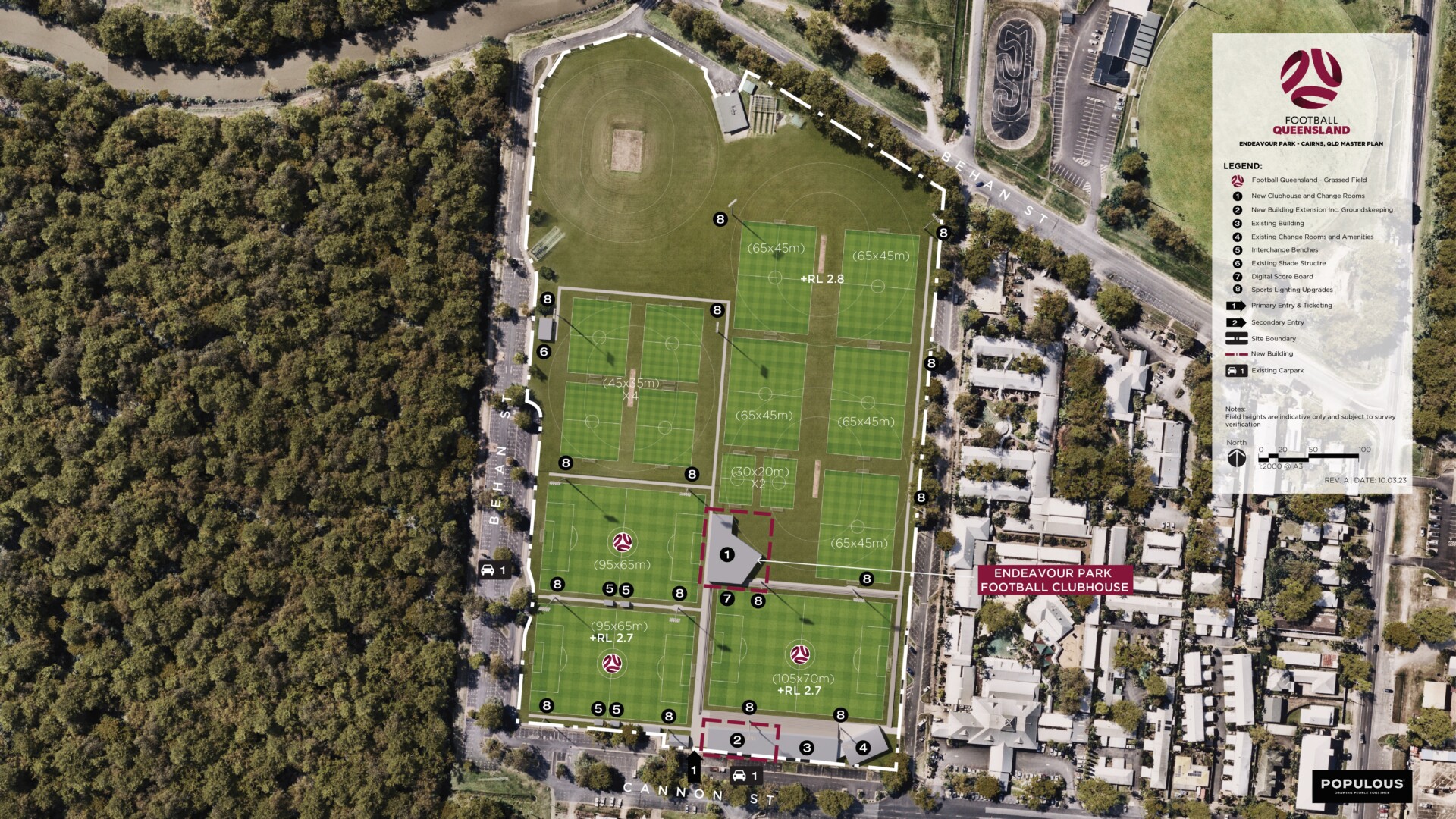
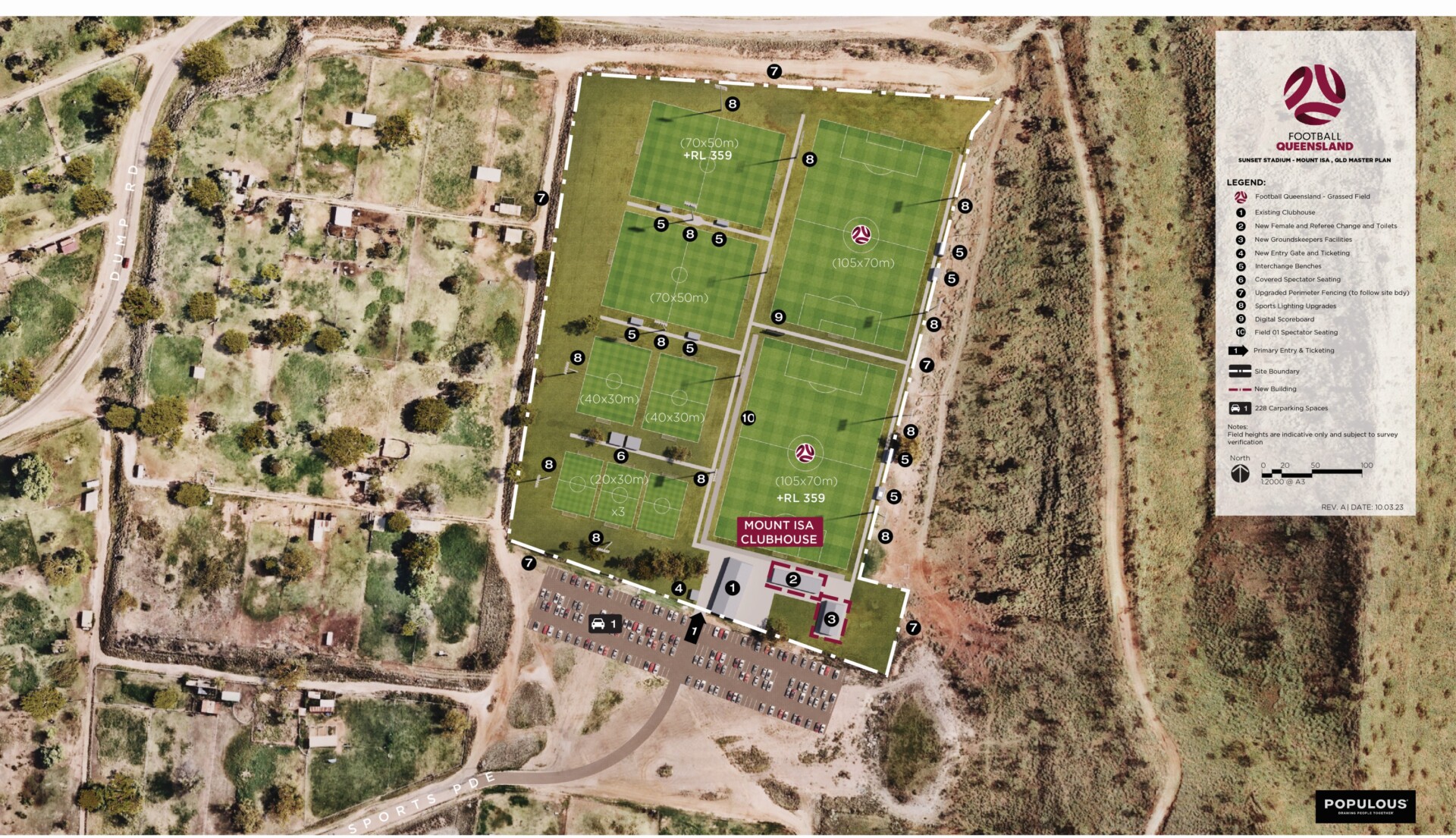
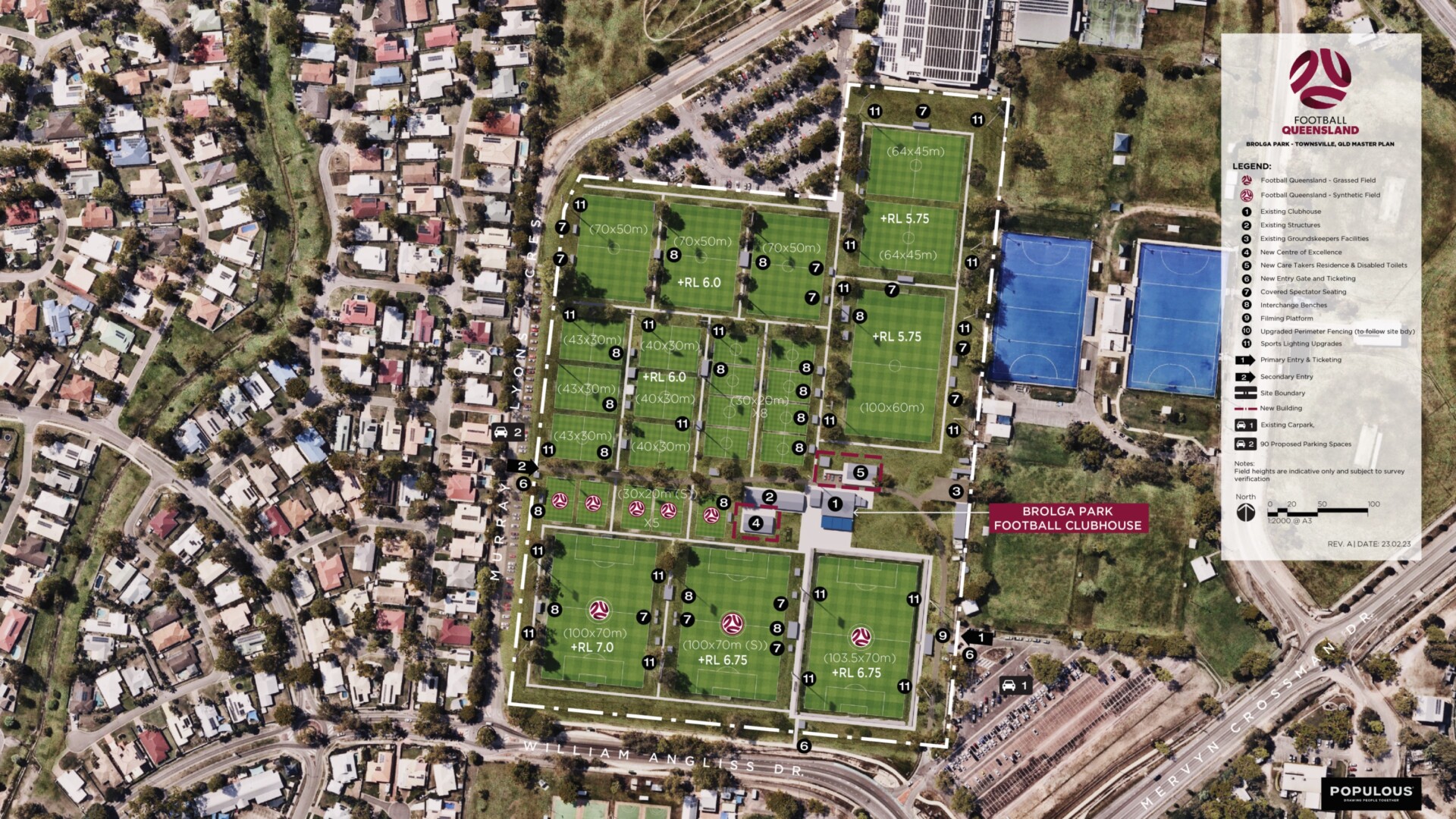
Football Queensland’s (FQ) strategic master planning and advocacy work is restructuring infrastructure in football across Northern Queensland, with more than $15 million secured in the past year through state and federal pre-election funding commitments and direct FQ investment. These funds are supporting upgrades at local clubs and progressing FQ’s four master-planned Northern football hubs.

The Future of Football reforms launched by FQ in 2020 initiated a statewide master planning process, shaped by a detailed needs analysis across Cairns, Townsville, Mackay and Mount Isa. These plans underpin a targeted government engagement strategy, aligning community priorities with a clear roadmap for delivery.

Football Queensland CEO Robert Cavallucci has welcomed a surge in infrastructure investment across Northern Queensland.

“Our Northern regions have always been strongholds for our game, but their infrastructure needs were overlooked for too long. That’s changing now as we’re now seeing government recognition and support starting to match the scale of football in the region – particularly in the Far North, where participation has grown by over 28% in 2024,” he said via press release.

“In addition to our direct investments into the four Northern hubs each year, our government engagement strategy led by the #EQUALISER campaign has delivered record infrastructure funding commitments statewide, including over $6 million in pre-election commitments during the 2024 state election for North Queensland and currently sitting at more than $9 million ahead of May’s federal election.”

In the Whitsunday Coast, Mackay Football Park’s master plan is delivering upgrades, including new changerooms, seating, and improved maintenance, supported by $800,000 in 2024 state election funding.

In Far North Queensland, a $4.1 million federal commitment is advancing the Macca’s Park master plan in Cairns, with new amenities and a Centre of Excellence to boost the venue’s role.

In the North West, $600,000 is funding major improvements at Mt Isa Football Park, including new female changerooms and upgraded facilities.

In Townsville, progress continues on the Paradise Park master plan, with FQ working to secure funding for a synthetic pitch to support year-round football for over 5,000 participants.

Beyond the hubs, local clubs across the Northern Conference are also benefiting, with over $2 million in pre-election funding committed to lighting upgrades, surface improvements, and amenity enhancements to support the region’s growing participation.

Cavallucci highlighted that the record funding reflects FQ’s long-term strategy, driven by the Future of Football reforms and a unified approach to advocacy.

“These record funding outcomes reflect FQ’s long-term strategic plan for regional infrastructure investment. The Future of Football reforms were critical in enabling FQ to advocate for investment through one unified voice to government. Progress is continuing to be made through a measured approach, as we invest over the next five years to bring to life and deliver the four master plans,” he continued on to say via press release.

Football Queensland will continue to collaborate with all government levels in the lead up to the 2025 federal election and beyond, advancing key projects and ensuring the needs of regional football are prioritised.

Previous ArticleNext Article

Football NSW calls on clubs to Make It Red for Heart Health Round

Football NSW is calling on clubs and associations across the state to register for the 2026 Make It Red campaign, joining a national awareness movement aimed at reducing heart-related deaths on sporting grounds ahead of Heart Health Round on the weekend of June 5 to 7.

The campaign, developed by the Heartbeat of Football Foundation, asks sporting clubs to wear red, raise funds and build awareness around heart disease and sudden cardiac arrest, which is the leading single cause of disease burden and death in Australia for both men and women, and one that health authorities say is largely preventable through modifiable risk factors.

The call to action comes as the Foundation continues its work to map and register Automated External Defibrillators across NSW sporting facilities, a project that has already engaged twelve football associations and fed data into both the NSW Ambulance GoodSAM registry and NSW Health’s public AED map. The availability of a functioning, registered AED on site is among the most significant determinants of survival following sudden cardiac arrest, with survival rates declining sharply for every minute without defibrillation.

Football NSW is encouraging clubs to engage with the campaign across three areas. Clubs can register for the Make It Red campaign to help fund research, education and prevention programs. Participants, particularly those aged over 35, are encouraged to seek a free heart health screening test from their local GP or enquire about hosting a Heartbeat of Football testing day. Clubs are also urged to ensure their grounds have active, accessible AEDs in place, with guidance available through Football NSW’s Rescue Ready Guide.

The Make It Red campaign runs from June 5 to July 12, with Heart Health Round taking place across the opening weekend. Clubs can register and access participation resources at makeitred.org.

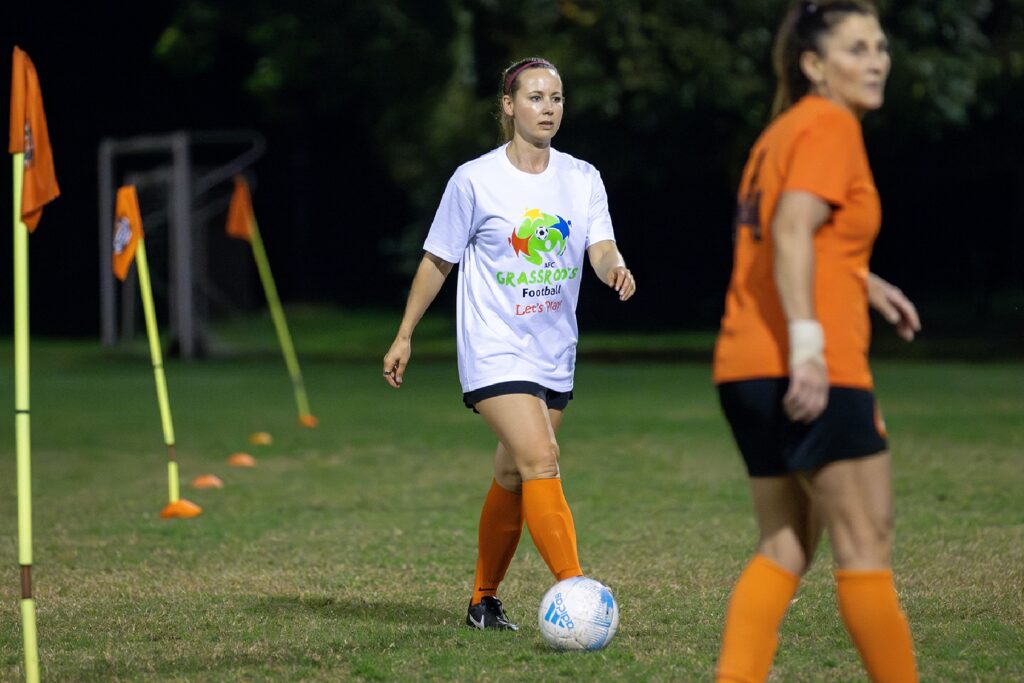
Community Spirit Shines on AFC Grassroots Football Day 2026

This week, Football Australia (FA) celebrated AFC Grassroots Football Day 2026, championing the people and communities who continue to hold up a safe, inclusive and supportive environment in the football landscape.

‘For all, for life’

In collaboration with Football NSW, Canterbury Football Association and community club, Balmain & District Football Club, the day reflected the very best of what football provides.

The event brought in participants of all ages – from 4-74 years-old – and reached a total of 400 people. Girls-only programs, all-abilities sessions and over-age football ensured all were catered for.

Such a diverse range of participants builds on a wider drive during FIFA World Football Week, which seeks to promote the sport not just as the dazzling lights of 100,000-seater stadiums, but as a way to foster community spirit and social development.

Furthermore, FA support through its Club Changer program was a welcome addition to the action, emphasising the organisation’s commitment to nurture a real love for the game across communities in Australia.

“Through Club Changer we support our clubs to provide a safe, fun and enjoyable environment where everyone is welcome; whether that be as a player, volunteer, referee or supporter,” explained National Program Manager Club Development at FA, Grace Lambourne.

“Everyone should feel they belong and are welcome to play, stay, and love the game.”


A welcome celebration

While the upcoming FIFA World Cup will no doubt inspire millions of future Socceroos and Matildas, events like the AFC Grassroots Football Day represent something beyond just inspiration.

It is a platform. An opportunity to express a love for football and to connect with others while doing so.

And connections between the professional and grassroots game is more important than ever if Australia is to nurture the next generation of talent.

This is particularly clear in the rise of women’s football across the nation. Since the FIFA Women’s World Cup, female participation rose by 32%, and registrations for the MiniTillies Program skyrocketed from 264 in 2023, to 1223 in 2024.

The professionals spark passion. But communities turn that passion into playing time.

That is why celebrating grassroots football – and the volunteers and families who sustain it – is a vital part of Australia’s football future. Together, FA and the AFC are creating strong foundations built on positivity, engagement, and inclusivity for all with a love for the beautiful game.

Most Popular Topics

Editor Picks

Send this to a friend