


Postecoglou’s European Triumph Inspires Aussie Coaches, Says Gary Cole

Ange Postecoglou has achieved European success—and may have just opened the door to a brighter future for coaching in Australia.

On Thursday morning, Ange Postecoglou pulled off what many thought was impossible—he ended Tottenham Hotspur’s 17-year wait for a trophy.

A 42nd-minute goal from Brennan Johnson was all Spurs needed to secure a 1-0 win over Manchester United and lift their third UEFA Europa League title.

The long-awaited victory will no doubt thrill Spurs fans, who have endured years of near misses and heartbreak.

Now, his Europa League triumph isn’t just a cause for celebration among Tottenham fans—it’s also sparked pride across Australia’s football community.

And one example is Football Coaches Australia President and former Socceroo Gary Cole, who expressed excitement for Ange Postecoglou’s Europa League win, calling it a remarkable personal achievement and a proud moment for Australian coaches.

“I’m just so excited for Ange,” said Cole in an interview with Soccerscene.

“He’s had the ups and downs of being a coach brings and to see him have success at this level in Europe is just quite remarkable for him on a personal level and of course Australian coaches more generally.

“Not only do we have plenty of Australian Managers in Europe, but we are now winning major trophies which is absolutely sensational.”

It hasn’t been an easy season for Postecoglou, despite avoiding relegation, his team sits just one spot above the drop zone with one game left to play.

Still, the Australian manager has delivered on his bold claim that he tends to win trophies in his second year.

And with silverware now in hand, Cole expects Postecoglou is likely feeling a mix of relief, pride, and vindication after ending Spurs’ 17-year trophy drought and believes his position at Spurs is looking more stable, however, noting that in today’s game, coaches often don’t get the respect they deserve despite the pressures they face.

“My guess is that there will be a bit of a sigh of relief there as well, because he’s talking up a big positive which he is all the time, so I’m sure there’s a little sense of relief , there’d be a sense of you know, bugger you lot I told you so, but also immense pride,” he said.

“After 17 years of not winning anything, I just cant see it any other way, it’s just hard to see that from the outside looking in.

“But we do live in age where coaches aren’t necessarily respected for the work they do, they’re an easy target when things do need to change quickly.”

It’s been a long journey for Ange Postecoglou, who began his coaching career in 1996 at South Melbourne—the same club where he played nearly 200 games and was mentored by none other than Hungarian and Real Madrid legend Ferenc Puskás.

Now, his latest triumph could mark a turning point for coaching in Australia.

Gary Cole believes Postecoglou’s success has sparked new belief among Aussie coaches, proving that reaching the top is possible and giving the whole coaching community something real to aim for.

“If you’re an Australian coach today, no matter where you are, if you’ve got ambitions of coaching up a league or in the A-League or in a small European country or in America, you can now see it,” he said.

“What do I say? A rising tide lifts all boats.

“There’s a belief that comes from what Ange has done for all coaches, no matter where they are, and we all want something to believe in, I think we got that today.”

Postecoglou’s victory in Europe not only solidifies his place in Tottenham’s history but also serves as an inspiration for Australian coaches aspiring to make their mark on the global stage.

His success is a testament to the growing recognition of Australian talent in the world of football, opening doors for future generations of coaches to follow in his footsteps.
Previous ArticleNext Article

South Canberra FC Breaks the Mold: Equity-Driven Model Earns ‘Club Changer’ Honour

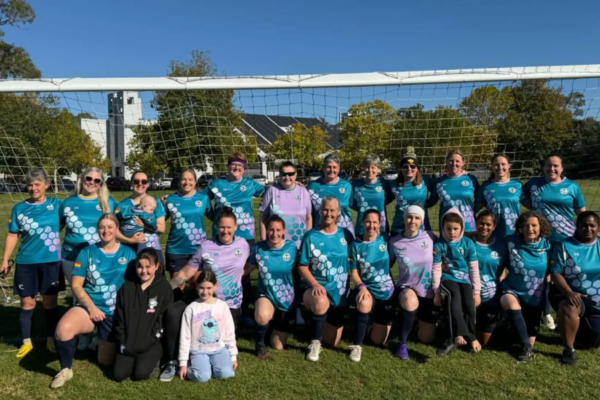
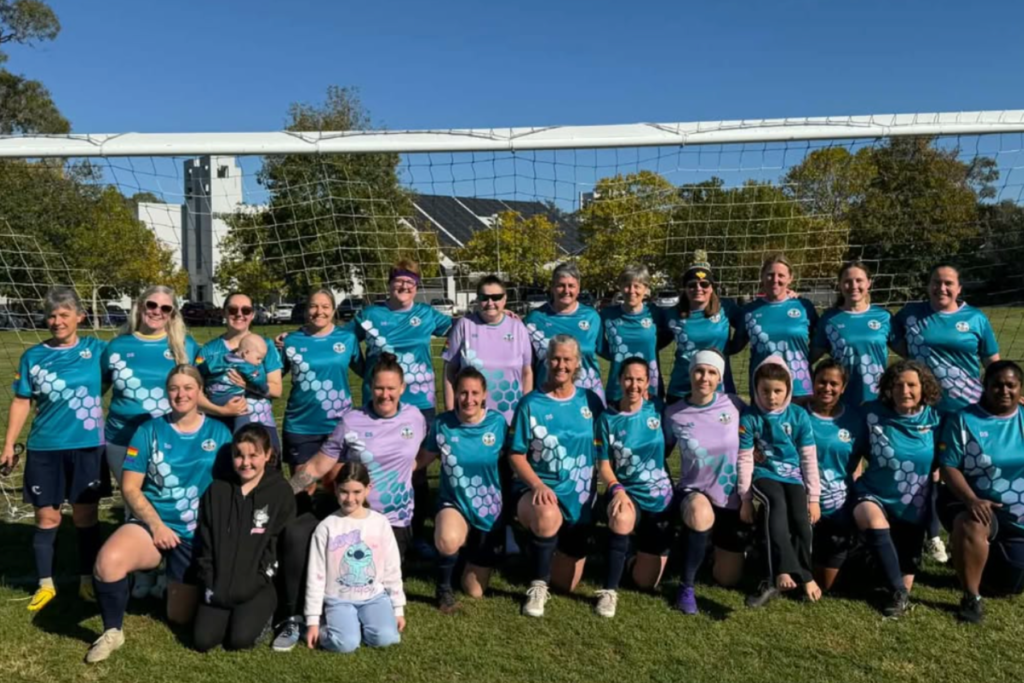
South Canberra Football Club has been named Club Changer of the Month for April, in a recognition that reflects a broader shift across Australian football toward rewarding clubs that are actively dismantling the structural barriers limiting women’s access to the game.

The AFC Women’s Asian Cup has just delivered record crowds and unprecedented visibility for women’s football in Australia, and the Club Changer program is now asking what comes next. Its decision to name South Canberra Football Club as Club Changer of the Month for April signals a clear shift in how the program defines contribution: away from participation numbers alone, and toward the equity frameworks that determine whether women stay in the game once they arrive.

South Canberra FC built that framework from the ground up. Established in 2021, the club set out to give women and female-identifying players a safe, inclusive environment to play football at any level. It runs entirely on volunteers, operates as a not-for-profit, and is governed by an all-female committee with 13 of its 14 coaches identifying as female.


Building the infrastructure of inclusion

In 2026, the club secured grant funding and put it to work immediately. Two coaches are completing their C Licence qualification, and ten coaches, players and community members have undertaken the Foundations of Football course, which directly tackles the cost and accessibility barriers that exclude women out of coaching pathways.

The club also commissioned a female-specific strength and conditioning program with sports physiotherapists ahead of the 2026 season, targeting injury prevention and explicitly supporting players returning after childbirth.

SCFC’s leadership team draws from LGBTIQ+ individuals, First Nations people and veterans, strengthening the club’s connection to the communities it was built to represent.

The Club Changer program is backing clubs that do this work- clubs that treat equity as infrastructure rather than aspiration. At a moment when Australian football is under pressure to turn its biggest-ever surge of women’s interest into something lasting, SCFC’s model offers a clear answer to the question of how.

Football NSW announces 2026 First Nations Scholarships as pathway access program enters new phase

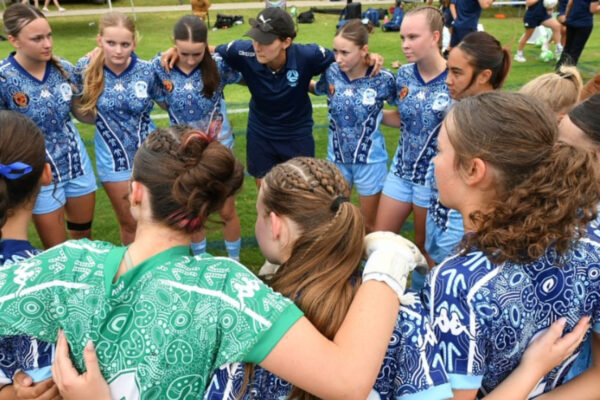
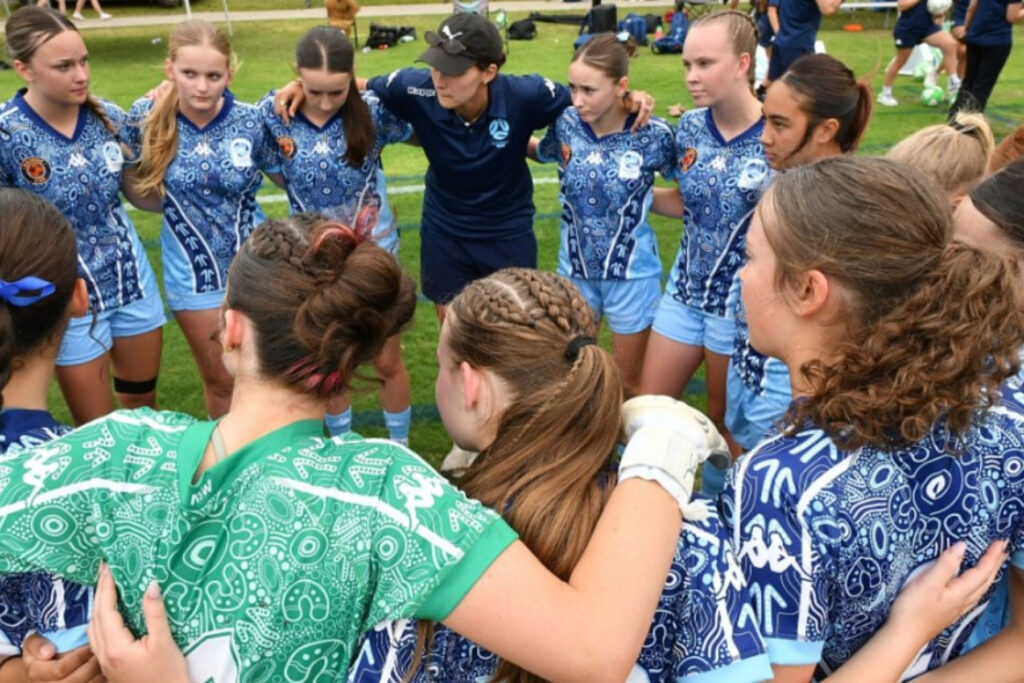
Football NSW has announced the recipients of its 2026 First Nations Scholarships, with ten emerging Aboriginal and Torres Strait Islander players from metropolitan and regional NSW receiving support designed to reduce the financial and structural barriers that have historically limited First Nations participation across the football pathway.

The scholarship program, developed and assessed in collaboration with the Football NSW Indigenous Advisory Group, targets players across both elite and development environments – recognising that talent identification alone is insufficient without the resources to support progression once players are identified.

Co-Chair of the Indigenous Advisory Group Bianca Dufty said the calibre of this year’s recipients reflected the depth of First Nations football talent across the state, and the importance of structured support in converting that talent into long-term participation.

“Their dedication to football and the desire to be role models for younger Aboriginal footballers in their communities is to be celebrated,” Dufty said. “I’m confident we will see some of these talented footballers in the A-League and national teams in the future.”


Beyond the pitch and into the pipeline

The 2026 cohort spans both metropolitan clubs and regional associations, an intentional distribution that acknowledges the particular barriers facing First Nations players outside major population centres, where access to development programs, qualified coaching and pathway competitions is more limited and the cost of participation more prohibitive.

The next phase of the program will introduce First Nations coaching scholarships, extending the initiative’s reach beyond playing pathways and into the coaching and administration pipeline – areas where Indigenous representation remains among the lowest in the game.

The structural logic is clear. Scholarships that reduce financial barriers at the entry point of elite pathways matter most when they are part of a sustained ecosystem of support rather than isolated gestures. Football NSW’s collaboration with the Indigenous Advisory Group provides that continuity, ensuring the program is shaped by the communities it is designed to serve.

Most Popular Topics

Editor Picks

Send this to a friend