
Football Queensland introduce Q-League to promote cultural diversity

In a statement released on Friday, Football Queensland announced that they will be introducing a new league into the system, which will replace the SEQ Football Competition.

The Q-League will launch at the start of next season and it’s another key aspect of their 2020-2022 Strategic Plan released earlier this year which has been executed well.

Cultural diversity is something that is ever-growing in Australia and Football Queensland has taken the opportunity to celebrate this, whilst also enhancing their local competition.

Their Strategic Plan outlined that there were clear intentions to make soccer as readily available for everyone in the state as humanly possible. This is something that usually goes without saying, but FQ have decided to attribute more resources to this area in an attempt to get ahead of the pack.

Teams can apply for entry into the league through a link on the press release page, which can be accessed via the link in the above tweet from Football Queensland.

The full press release can be found below:

Football Queensland (FQ) has today announced the launch of the Q-League for the 2020 season.

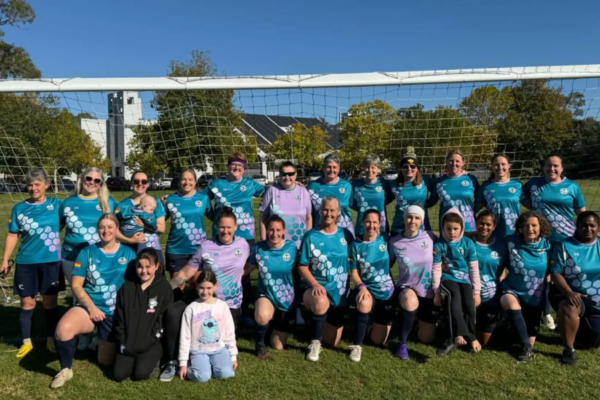
The Q-League, a structure league competition with a focus on multiculturalism and inclusion, will launch in 2020 to replace the SEQ Football competition and has been designed to celebrate Queensland’s cultural diversity.

The new league will fall under FQ’s Community pillar, with three pillars to encompass Queensland competitions and programs from next year; High Performance, Community and Social.

The announcement of the FQ Community League follows the release of the 2020-2022 Strategic Plan for football in Queensland, which outlines a vision to provide high-quality, accessible football experiences to allow anyone to be involved in football regardless of age, gender, location or cultural background.

Aligning with this vision, the community league has been developed to provide an opportunity for newly-arrived community members and teams to participate in an organised football competition.

Chief Executive Officer Robert Cavallucci said Football Queensland was focused on growing participation opportunities across the state.

“Football Queensland has identified a need to provide opportunities for more people to participate in football no matter their cultural background, age and ability, and this will be a focus for us over the next three years,” Cavallucci said.

“Football Queensland is committed to growing the game in Queensland, and we will do this by working on the development of new products and game formats to make football more accessible across the state.”

Murray Bird, General Manager – Operations, Compliance & Game Development said the Q-League would provide a pathway for community players wanting to transition to club football.

“While offering an opportunity for community teams of a range of cultural backgrounds to compete in a structured competition, the Q-League will also provide a pathway to club football for players and teams,” Bird said.

“We are pleased to be able to support these players who have a goal of transitioning from the community league to club football.”

 

Previous ArticleNext Article

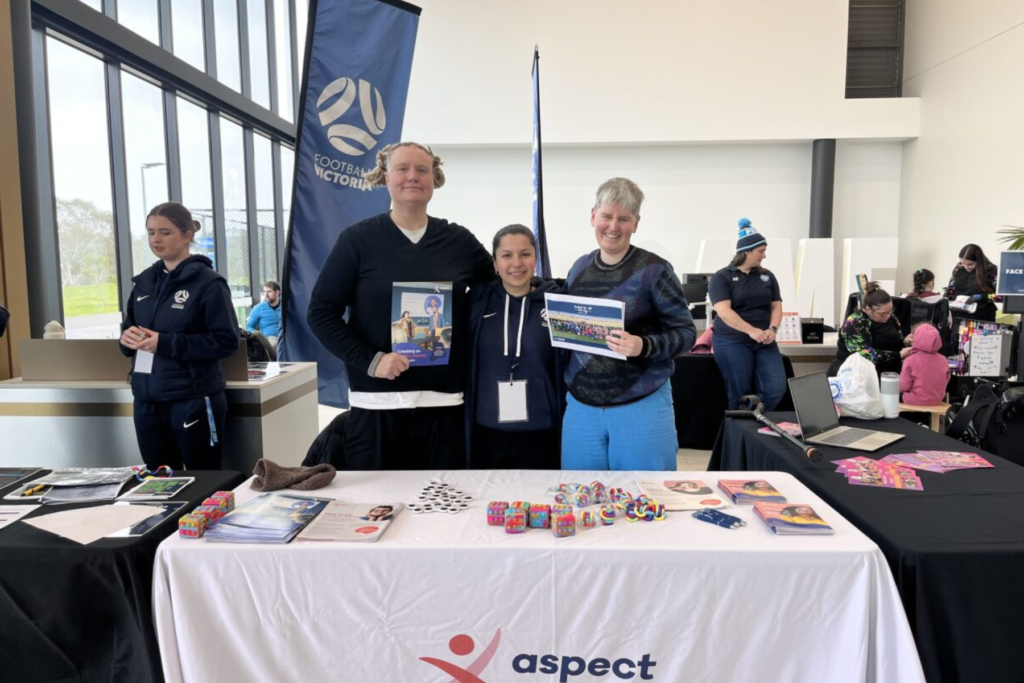
Football Victoria marks World Autism Understanding Month with Expanded Inclusion Program

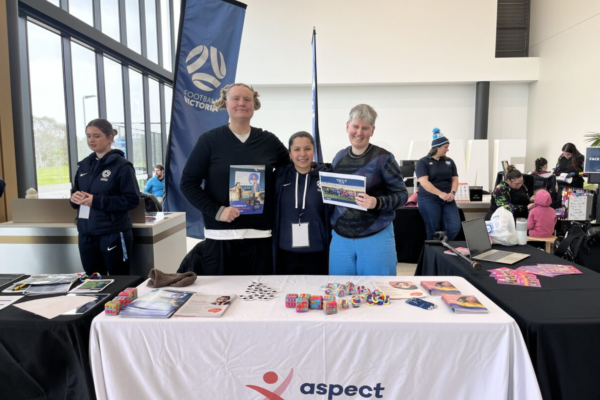
Football Victoria has marked World Autism Understanding Month with a series of practical inclusion initiatives delivered in partnership with Aspect, reinforcing the governing body’s commitment to making football accessible for autistic participants across all levels of the game.

The partnership, now in its second year, has moved beyond awareness into structural change. Environmental assessments have been completed across multiple programs and match days, including at Collingwood City FC and the All-Abilities League match day at Northcote City FC. Each assessment identifies accessibility barriers and provides concrete inclusion principles integrated into the physical and operational realities of football environments.

Ahead of the 2025 Football For All Gala Day, Aspect conducted an environmental assessment of The Home of the Matildas, informing the development of a Visual Story designed to help participants with autism understand the venue and event before arriving. The same approach has been applied to FV’s GO Camps program, giving participants and families the information they need to engage with confidence.

Aspect has also delivered multiple education sessions for coaches throughout the partnership, with a dedicated session for referees held on April 20, the first of its kind, extending autism understanding across match officials and into all parts of the game day experience.

Football Victoria has also joined the Hidden Disabilities Sunflower Initiative, with training and education to be rolled out across the organisation in the coming months, strengthening its capacity to recognise and support participants with non-visible disabilities.

The initiatives reflect a recognition that access to sport is not guaranteed by an open registration form. For many participants with autism and their families, the barriers are environmental, informational and social; and removing them requires sustained investment in education, assessment and design.

UEFA reaffirm partnership with Oceania Football Confederation

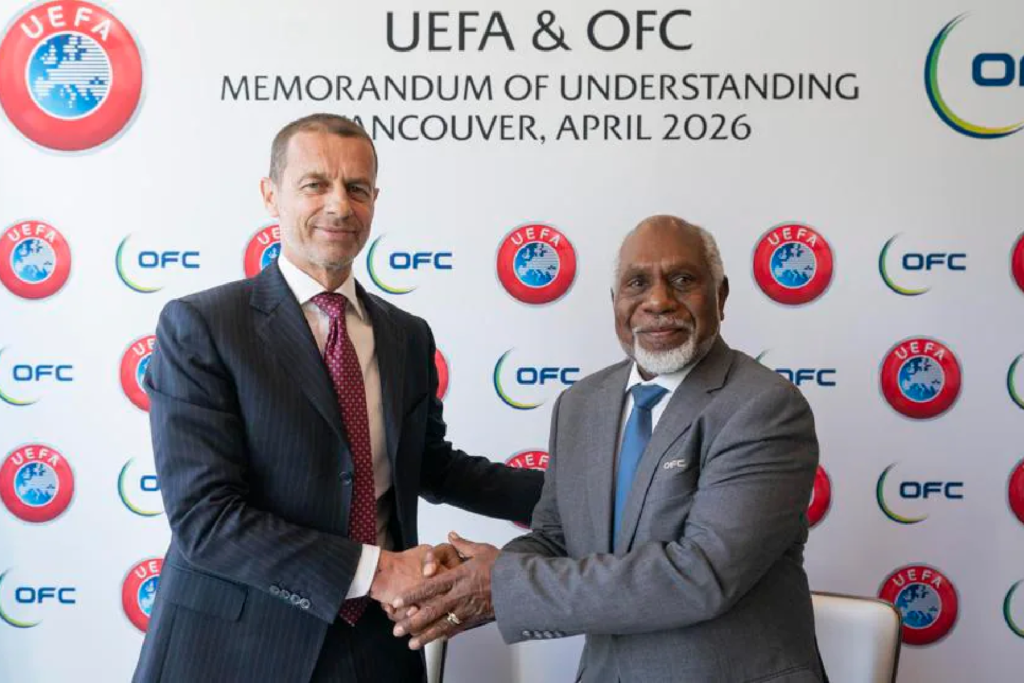
Last week, UEFA signed a Memoriam of Understanding (MoU) with Oceania’s football governing body to continue its commitment  to football in Oceania.


United through football

While being two governing bodies separated by distance, the MoU stands as a symbol of unity and collaboration which supports mutual growth.

The agreement will run until 2031, displaying both parties’ commitment to long-term development through football.

“Europe and Oceania are connected by a shared belief in the importance of investing in people as the foundation of football’s future,” said UEFA President, Aleksander Čeferin, via press release.

“This Memorandum of Understanding brings together UEFA’s experience in elite development and education with OFC’s clear focus on nurturing young talent and strengthening football leadership.”

Furthermore, OFC President, Lambert Maltock, also expressed his confidence in the agreement to support players and pathways alike.

“Our partnership with UEFA reflects a shared commitment to developing the game at every level – from grassroots to elite,” said Maltock.

“By investing in our people and working collaboratively, we are building a more connected, capable and globally competitive football ecosystem for Oceania.”


What the agreement promises

Continuing UEFA’s recent MoUs with CAF (Africa), Concacaf (North, Central America and the Caribbean) and CONMEBOL (South America), the partnership will seek to address several key aspects. These include:

  • Youth football opportunities – supporting OFC’s annual boy’s and girl’s U15 tournaments.
  • Knowledge exchange – reciprocal observer programmes at club finals and national team tournaments.
  • Football development – delivered through the UEFA Together programme.
  • Coach education – sharing of technical expertise and learning activities.
  • Refereeing – opportunities to referee youth tournaments, courses and technical programmes.

Moreover, the agreement outlines a commitment to ensuring football remains a tolerant and inclusive sport, capable of uniting communities and empowering individuals.

Therefore, the MoU between UEFA and the OFC is symbolic of aligned values, principles and vision for the future of football in both regions.


Final thoughts

An alliance of this nature – especially in these uncertain times for global cooperation – is vital.

Football has the power to unite like nothing else.

So governing bodies must recognise the value of connecting across cultures, countries and continents, not only for what it can do for football, but how it can promote fundamental values within the sport as a whole.

Most Popular Topics

Editor Picks

Send this to a friend