


Football Victoria demands more Victorian Government support amid grassroots boom

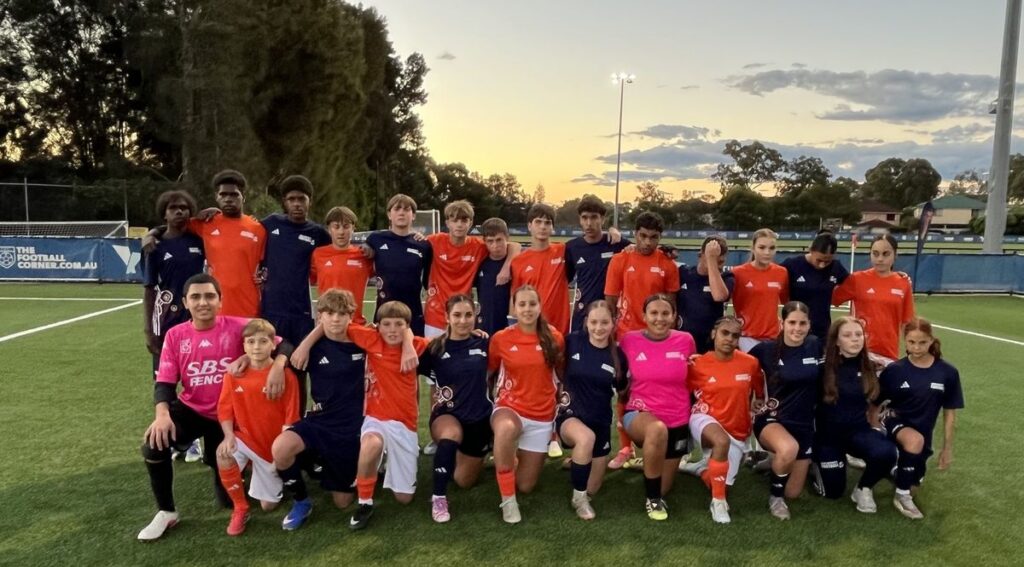
Football Victoria is targeting Victorian Government funding for Glen Eira FC, in order to improve the club’s facilities and accommodate a recent surge in participation.

The interest and demand in football across Melbourne is ever growing, and Glen Eira FC is one such example.

Located in Melbourne’s inner south-east, the club has more than 1,100 players with nearly 95% of them aged 18 or under. In the suburb of Bentleigh alone, football participation has increased 18% alongside female engagement growing 76% in recent years.

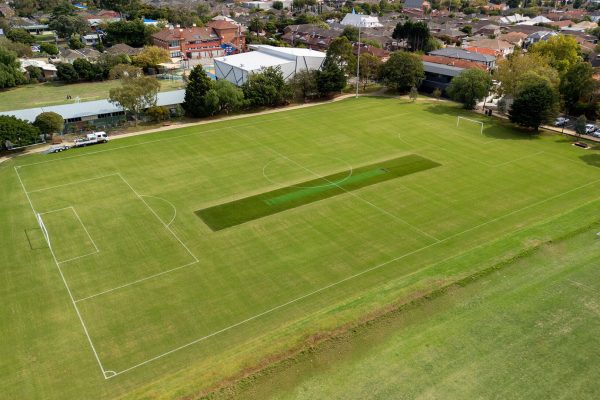
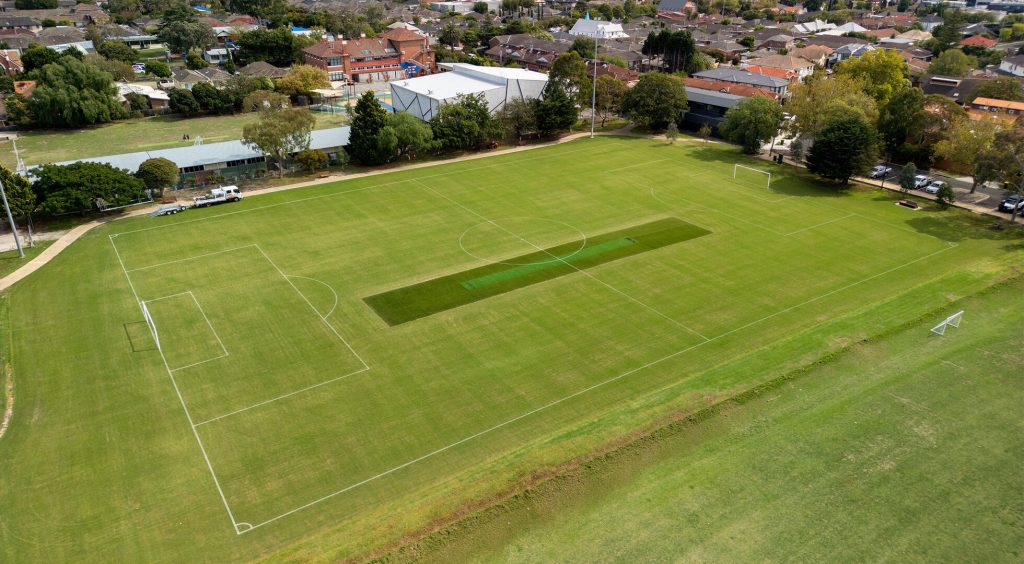
However, at Marlborough Street Reserve, the conditions of the pitch – specifically during winter – can curb accessibility. Wet weather, non-stop usage and limited capacity make it difficult to accommodate all club members. This results in restricted training and playing opportunities.

Lachlan Cole, Football Victoria’s Head of Government Relations & Facilities, said via Football Victoria: “The story at Glen Eira FC is one we are seeing right across Victoria and specifically in Metropolitan Melbourne. Participation is growing, particularly among juniors, women and girls, but the infrastructure needed to support that growth is buckling under the weight of demand.”

To tackle this, both Football Victoria and Glen Eira FC want to convert the existing pitch to a synthetic surface and provide improved lighting for the ground. This would create a more reliable environment for players and support the growing demand for football in that community.

Speaking to Football Victoria, Glen Eira FC President Odilia Wijburg said, “A new sporting precinct with a synthetic pitch would be a game changer, providing year-round access, supporting participation growth and creating a lasting community asset that will benefit local families for generations.”

These issues are not exclusive to just Victoria, but are instead seen nation-wide. Football NSW recently pledged over AUD 200,000 to three amateur clubs to help upgrade their facilities and support the local communities.

Despite the increased interest in the game, the lack of reliable infrastructure, especially in grassroots football, leaves not only local areas without proper facilities, but creates a complicated road for young players hoping to navigate to the top of the game. 

Without the support of the Victorian Government, grassroots football could suffer an underwhelming fate. If the game is not supported from the bottom, the top might not reap the rewards of the next generation. And if that happens, alongside local communities, both the domestic leagues and the international team may suffer.


Previous Article

Melbourne Victory announce next stage of infrastructure strategy at Arden Central

In a statement on their website last Thursday, Melbourne Victory revealed the Arden Campus, situated within Melbourne’s new Arden Central parkland precinct, as the latest stage of its ongoing infrastructure strategy.

The news follows Victory’s February 2025 announcement of it’s first campus in Beveridge, with each seeking to cater to growing demographics within the city’s CBD and inner north-west suburbs.

The latest campus sits within the new cultural precinct centred around Arden Station, as part of a $7 billion redevelopment project helmed by Hamton and HostPlus on behalf of the Victorian Government.

Developers Hamton and HostPlus share a 17-year history of joint venture partnerships, which include a portfolio of large-scale, complex urban projects.

Victory is joined by other major precinct partners Live Nation, North Melbourne (Australian Rules) Football Club and the University of Melbourne’s School of Design, to deliver a new campus whose goals are aligned to the club’s strategic infrastructure plan, with the aim of supporting and nurturing the growth of it’s women’s and youth programs.

Arden Campus’ proposed slate of programs will include a hub for women’s and youth female pathway programs, (for both elite and community football) plus a Community Field and Community Hub, whose shared assets will provide space for future community soccer teams, the university and future local schools, with the capacity to host more than 300 on-site activations annually.

Melbourne Victory has lauded the investment – to be administered by Development Victoria, in collaboration with local Wurundjeri Woi-wurrung Elders and communities – as a ‘once-in-a-generation opportunity‘, allowing the state to build on its network of cultural and parkland zones linked by, and built around, Melbourne’s expanding rail system.

Once complete, the $7 billion transformation of Arden Central is predicted to create a new school, as well as more than 5,400 new homes to cater to more than 10,000 people, located just 1.5kms from the CBD.

John Dovaston, Chairman of Melbourne Victory, is confident Arden Central will ‘cement itself‘ as a critical up-and-coming destination for sport, education and entertainment. Campuses such as this, he said, ‘guarantee a synergy between elite focus and community development,’ which he believes only football – ‘the world game’, can achieve.

Speaking on Victory’s female and youth infrastructure strategy, club Managing Director, Caroline Carnegie, described the plan as a ‘multi-faceted‘ reflection of their vision to lead, unite, connect and inspire.

This update to the club’s infrastructure is an overdue one, but is nonetheless a strategy which she hopes will form part of the ‘micro and macro touch points of Melbournians’ lives at Arden Central’, strengthening Melbourne Victory’s commitment to being ‘a club for all Victorians.’

Carnegie highlighted football’s impact on social cohesion in early 2025, when Victory’s infrastructure strategy was first unveiled. She emphasised the club’s responsibility to establish programs that can positively impact communities, regardless of their members’ gender, background or location.

Benefits of the ‘Campus Model’

In an official Melbourne Victory report on their long-term infrastructure strategy, published early 2025, the club laid out the following goals for the future of the state’s fastest-growing participatory sport: to unlock common opportunities for the game, create greater accessibility for talent and their families across the State (including cutting out travel time for both training and matches) to enhance Victory’s ability to grow soccer’s footprint, and to expand community connection.

The report compares Melbourne’s extensive geographical sprawl to cities such as London, Rome and Madrid – stating their campus model helps break down geographical barriers to success, with the long-term aim of establishing campuses across Melbourne’s North, South, East and West, each within a 1-hour’s drive from their AAMI Park HQ, as well as ttheir existing men’s traning facilities at Gosch’s Paddock.

Melbourne Victory’s long-term plans for their Campus development

As per the project’s FAQs, Victory will run women’s, pre-academy and academy programs from each campus once fully completed, with the club maintaining transparent communications in the meantime with fans, players and key stakeholders as to the full schedule and details of its interim offerings.

The club aims to maintain a cohesive, uniform ‘look and feel’ across each campus, so that people can know what to expect when training, playing or otherwise connecting with the Melbourne Victory brand and broader community.

This approach allows the club a wider reach in terms of attracting, developing and retaining new talent, as well as creating more familiar places for players and their supporters to call home.

Arden Station, Melbourne (Arden Precinct Development)

Australian Government opens opportunity for local club funding with Stronger Communities grant

The Australian Government’s Stronger Communities Program offers an opportunity to strengthen the infrastructure of local community football clubs through its newest grant.

The program supports projects that deliver social benefits and help communities become more connected.

For eligible football organisations, the funding could help improve facilities, remove barriers to participation and create better experiences for players, volunteers and families.

What Funding Is Available?

The program offers grants between $2,500 and $20,000 for eligible infrastructure projects. Each of the 150 federal electorates has $150,000 available to support local projects. The program focuses on small capital projects rather than general operating expenses.

If they’re to apply, football clubs should identify a specific infrastructure need and explain how addressing it will benefit their wider community.

Project applications should include how funding will improve accessible club facilities, upgrade community infrastructure or purchase eligible equipment and assets that support participation.

Clubs must check the official guidelines to confirm that their proposed activities and costs qualify. A strong proposal should explain what the project will deliver, who will benefit and how it will encourage greater community involvement.

How Can Football Clubs Benefit?

Infrastructure can make a real difference to a club’s ability to welcome new participants. Better facilities can improve the experience for junior players, families, volunteers and spectators. Accessible amenities can help people with disability participate more comfortably. Upgraded shared spaces can also create better opportunities for community activities.

Clubs should consider the barriers that prevent people from getting involved. These might include inaccessible facilities, limited community infrastructure or equipment shortages that restrict participation.

A successful project should address a clear local need. It should also demonstrate benefits beyond a single team or a small group of players.

Football clubs can strengthen their proposals by gathering feedback from players, parents, coaches, volunteers and other community members. This evidence helps show why the project matters and how it will improve participation.

Who Can Apply?

Applicants must have an Australian Business Number and be invited to apply from their local Federal Member of Parliament. Federal MPs must identify potential projects in their electorates and nominate suitable proposals for consideration. Clubs should therefore contact their local MP to discuss their infrastructure needs and express their interest in the program.

Grants can cover up to 100 per cent of eligible project costs for most eligible applicants; however, local governing bodies face a different requirement. They must contribute at least 50 per cent of eligible project costs through matched funding.

Clubs should prepare a realistic project budget and identify eligible expenses before submitting a proposal. Supplier quotes, project plans and supporting evidence can help demonstrate that the project is achievable and offers value for money. Applicants must also meet the program’s project requirements and completion deadline of 31 March 2028.

Know the Key Dates

‘Round 10’ opened on 21 September 2026. Federal MP nominations close at 5pm AEDT on 30 November 2026. Invited applicants must submit their applications by 5pm AEDT on 19 January 2027.

Clubs should act early by contacting their local MP and preparing its application. The Stronger Communities Program gives eligible football organisations a potential pathway to improve local infrastructure and strengthen community participation. Clubs should start by identifying a project with clear benefits, consulting their community and reviewing the official guidelines.

For grassroots football, better infrastructure can mean more inclusive facilities, stronger community connections and more opportunities for people to get involved. Read the official program details here.

Most Popular Topics

Editor Picks

Send this to a friend