


Four A-League Men matches and a couple of Australian Championship games this weekend. A fair bit of football and, admittedly, a fair bit of talking to the television.
My A-League Men viewing took in:
- Brisbane Roar v Auckland FC
- Newcastle Jets v Wellington Phoenix
- Melbourne City v Sydney FC
- Macarthur FC v Western Sydney Wanderers
This piece focuses on the A-League Men. I’ll turn my attention to the A-League Women in a separate piece in the coming weeks. It deserves its own discussion about the opportunities, challenges and experience we want to build.
By the end of the weekend, I had a few questions, plenty of opinions and absolutely no coaching offers.
I wanted more. More flair on the pitch. More atmosphere in the stands. More care in how we present the game on television. And more reasons for people to say, “Let’s go to the football this weekend.”
One weekend doesn’t tell the whole story. There are good people across the league working hard under difficult circumstances. I know enough about running clubs, governing bodies and venues to appreciate that very little is as easy as it looks from the couch.
But I also know we have an opportunity worth working much harder to capture.
We know this country loves football
I believe Australia is a football nation. The Matildas and Socceroos have given us enough moments of national pride to demonstrate what this game can mean to people.
Families rearranging their lives around kick-off. Friends gathering to watch. People who rarely discuss football suddenly offering quite detailed opinions about team selection.
There is a football audience out there. A big one.
I saw that opportunity firsthand at Football Australia, where I was part of the collective effort to build the Matildas and Socceroos brands coming out of COVID.
Performances were fundamental. Around those performances, we worked deliberately to bring supporters closer: telling meaningful stories, showcasing personalities, building anticipation and turning national pride into a desire to be there.
It took sustained work from many people. There was no button marked “create sell-out”. If there had been, we would have worn it out.
Club football has a different challenge. National teams can unite a country around a moment; clubs must earn their place in people’s lives every week.
We cannot assume someone who loves the Matildas or Socceroos will automatically buy an A-League membership. But we should be asking how we give more of those people a club, a player and a weekly football experience to care about.
Start by asking the people who make it worthwhile
The league needs a compelling vision for its future, built around players and fans.
And they need to help shape it.
What do supporters want their league to become? What do players think would improve the football and their connection with audiences? What should make this competition distinctive?
Those conversations need to influence decisions about scheduling, matchday experiences, marketing and investment. People should be able to see where their contribution has made a difference.
We spend plenty of time talking about the product. Without the fans and players, we don’t have one.
They deserve a meaningful seat at the table.
Our competition includes everything on your phone
We operate in an attention economy. For younger audiences, particularly the overlapping 14–24 and 18–30 age groups, the options are endless.
Gaming. Streaming. Social media. Music. Other sports. Dinner with friends. Staying home because the group chat has spent three hours discussing plans and agreed on nothing.
We are competing with all of it.
Loving football does not automatically mean choosing the A-League Men on a Saturday night. We need to earn that choice.
That takes a better understanding of what interests people, who influences them, what stops them attending and what makes an experience worth sharing.
A teenager attending with parents has different needs from a university student organising friends or someone coming straight from work. Our offers, scheduling and communications should reflect those differences.
Getting someone to pause on a post is useful. Getting them to organise their weekend around a match is the bigger task.
Give the camera something to love
Banks of empty seats opposite the main television camera make a difficult first impression.
Before a viewer has assessed the football, the picture is already telling them something about the occasion.
Where venue configurations allow it, can we work harder to fill the television arc first? Can seating plans, ticketing offers and camera positions be considered together?
Of course, shade, weather, accessibility, member preferences and spectator comfort matter. Anyone who has worked in a stadium knows that “just move everyone over there” can become a surprisingly long meeting.
But the presentation deserves attention.
So does Saturday night prime time. Within the realities of venue availability, travel, recovery and broadcast commitments, we should give our most visible windows the strongest chance of delivering a crowd, atmosphere and an audience.
If we want greater prominence on a broadcaster’s main channel, we need to make those matches compelling viewing.
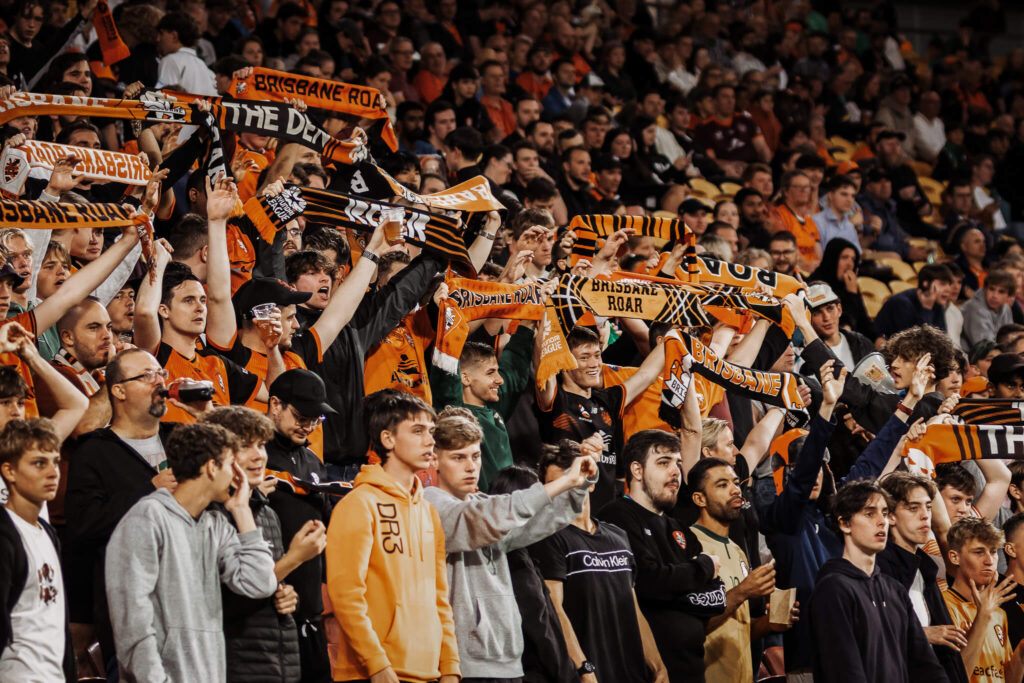
Let supporters bring the atmosphere
A safe, respectful and welcoming environment is essential.
So is understanding that football supporters come to participate.
They sing. They stand. They bring flags, traditions, relationships and an emotional investment that can stretch across generations.
Nobody buys a ticket to active support hoping for the hushed ambience of a chamber orchestra.
The league and clubs need to work harder to help venues, police and security understand football supporter culture. Supporters also need clear expectations about behaviour and their responsibilities to others.
That relationship requires regular engagement, supporter involvement in planning, consistent communication and appropriate training for matchday staff.
The first serious conversation should happen well before someone is arguing at a turnstile.
Safety and atmosphere should be shared objectives. Good planning and trust give us a better chance of delivering both.
Can we have a little more “did you see that?”
Across the four A-League Men matches, I wanted more moments that made me sit forward.
A player taking someone on. An unexpected pass. A piece of skill that lifts the stadium and gives people something to replay on Monday morning.
It left me wondering: are we over-coaching players?
Are rigid systems and a fear of losing possession squeezing out instinct and creativity? Do players feel confident enough to try something difficult, knowing it might fail?
I don’t pretend to know the answer from my position on the couch. Coaches know their squads and the pressures they face far better than I do.
But it is worth discussing.
Structure matters. So does giving talented players room to express themselves within it.
There should be space for the player who sees something nobody else sees – even if the first attempt ends up in Row G.
We need football that gives people reasons to look up from their phones.
A nice post isn’t necessarily a reason to buy a ticket
Our marketing needs to work harder, too.
Celebrating that Lucas Herrington played for Brisbane Roar has a place in telling the league’s development story. Supporters should take pride in the players their clubs have helped produce.
But does that give someone a compelling reason to attend the next home match?
Our fans are too knowledgeable for us to assume that connection alone will do the job.
We need to build interest in the players who are here now. Why should someone care about this contest? Who might produce something special? What will they experience by being there?
Then we need to make attending straightforward. Clear information. Easy ticketing. Sensible options for friends and families. An experience that delivers on the promise.
Different content serves different purposes. Every post does not need to sell a ticket. But the overall marketing effort should help move people from awareness to interest, attendance and a desire to return.
Members, occasional attendees, junior football families and devoted followers of overseas leagues need different approaches.
The answer cannot always be another graphic.
Every match deserves a sense of occasion
Derbies show what happens when identity, history and rivalry come together.
They are wonderful. We should celebrate them.
But we cannot ask a handful of derbies to do all the heavy lifting for a season. Even derbies deserve a weekend off.
The ambition should be to make every match feel like an occasion.
Every fixture cannot inherit decades of rivalry. Every club can develop traditions, strengthen local connections, involve supporters and tell stories that make its home matches matter.
That takes work between games and across seasons.
Culture grows through shared experiences: the people you meet, the place you gather, the songs you learn and the memories you pass on.
Clubs can create the conditions for those things to flourish. Supporters will bring plenty of ideas if we give them room.
There’s more than one kind of equity
I understand why enterprise value matters to owners and investors. Financial discipline, sustainable clubs and a credible return on investment are essential.
Alongside those measures, I would pay much closer attention to fan engagement growth and the equity we build in our players.
By fan engagement, I mean more than followers and impressions. Are people attending, returning, watching for longer, becoming members and deepening their connection with a club?
By player equity, I mean the recognition, emotional connection and audience appeal built around the people on the pitch.
Do supporters know them? Care about their journeys? Want to watch them play? Are players given a voice and opportunities to show their personalities?
Players should also share in the opportunities created as their profiles and the competition grow.
These things matter commercially. A more authentic and appealing league can strengthen attendance, membership, broadcast audiences and partner demand.
That gives owners a stronger business and a better prospect of growing the value of their investment.
A spreadsheet can record the value. Players and fans help create it.
There’s ambition worth backing in the Championship
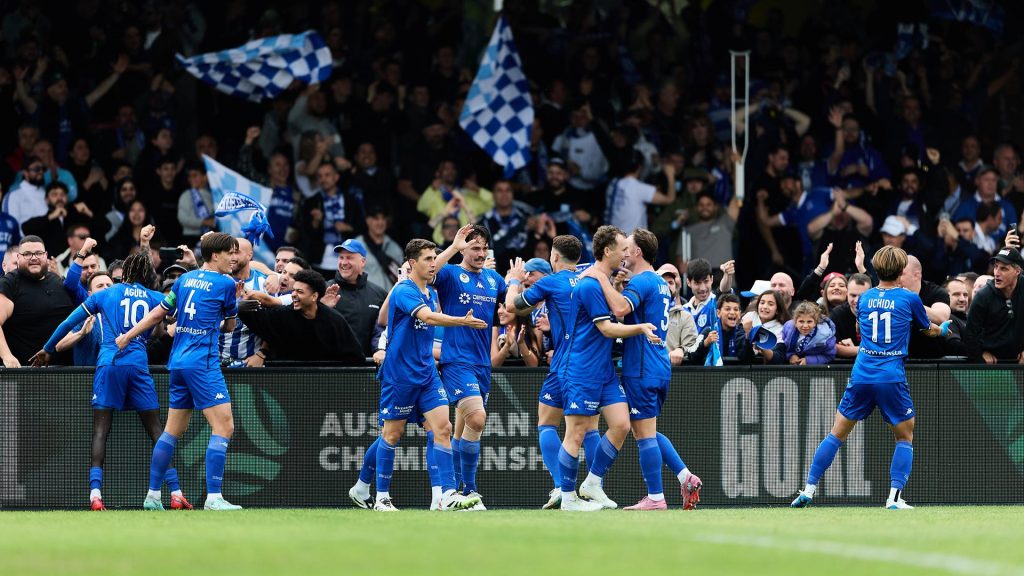
I also watched a couple of Australian Championship matches this weekend, and I love the aspiration in those clubs.
You can see the ambition and the growing investment in what they are building, on and off the pitch. There is something compelling about a club whose people believe they can build something bigger – and are prepared to put in the work to get there.
That deserves encouragement.
Watching those matches reinforced my view that we need to find ways to harness more of that energy across the national competition.
Ambition is a valuable resource in Australian football. We should give it somewhere to go.
And here’s the idea that might get the group chat going
If promotion and relegation remains too difficult for some to contemplate, should we explore bringing the best of the A-League Men and the Australian Championship together into an expanded 16–18-team league?
There. That should keep a few people occupied over coffee.
My preference remains a connected pyramid with a credible pathway for ambitious clubs. An expanded league should keep that ambition alive.
But if we cannot agree on how to get there, we should examine other ways to bring more of Australian football’s strengths into the top competition.
There are professional capabilities, supporter cultures, histories and community connections across both competitions. Could we bring more of those strengths together?
It would need a rigorous business case: financial capacity, governance, facilities, player welfare, travel, football operations and the depth of available talent.
We would also need to establish whether broadcast demand and commercial revenue could support 16–18 teams.
More fixtures only create value if people want to watch them and clubs can afford to deliver them.
Still, the potential deserves serious examination: more communities represented, new rivalries, stronger connections and more people feeling the national competition belongs to them.
We should be willing to test the idea properly.
Where I would start
If I were setting the priorities, I would focus on six things.
1. Build a shared vision with players and supporters. Give both a meaningful role in shaping the league’s future, including an honest discussion about competition structure.
2. Improve the supporter experience. Bring fans, clubs, venues, police and security together consistently. Build understanding and trust before matchday problems arise.
3. Make every home match an occasion. Develop an experience grounded in the club and its community. Give occasional attendees reasons to become regulars.
4. Improve the television spectacle. Coordinate scheduling, seating, ticketing and production so our strongest broadcast windows have the best chance of succeeding.
5. Invest in the football and its personalities. Develop and attract talent, encourage creativity and help supporters get to know the players they can watch now.
6. Make marketing accountable for growing demand. Understand different audiences, test what motivates them and make attending easier.
The league can lead the shared vision, competition positioning and broadcast coordination. Clubs can build local relationships and demand. Venues and authorities help deliver the experience. Players and supporters need a meaningful voice throughout.
Then measure progress: first-time attendees returning, members renewing, attendance revenue growing, viewers staying with broadcasts and recognition of current players increasing.
Listen to the people behind those numbers. Back what works. Change what doesn’t.
The Matildas and Socceroos have shown how deeply football can capture this country’s hearts and minds. We need to build more of that connection into the weekly rhythm of our domestic competition.
People are hungry for a thriving league they can take pride in and keep coming back to.
Let’s give them more reasons to care, more reasons to come – and a few more moments that make them spill their drink.