
Ante Juric: “Be genuine and true to yourself and don’t try to be a Joe Blow”

FCA

“Be genuine and true to yourself, don’t try to be Joe Blow or whoever because people can see through that, and then be consistent, if you’re genuine then you’ll be consistent. You can’t say one thing and do something else. Be genuine to yourself, people love that I think and be consistent with what you do”. Ante Juric’s ‘One Piece of Wisdom’.

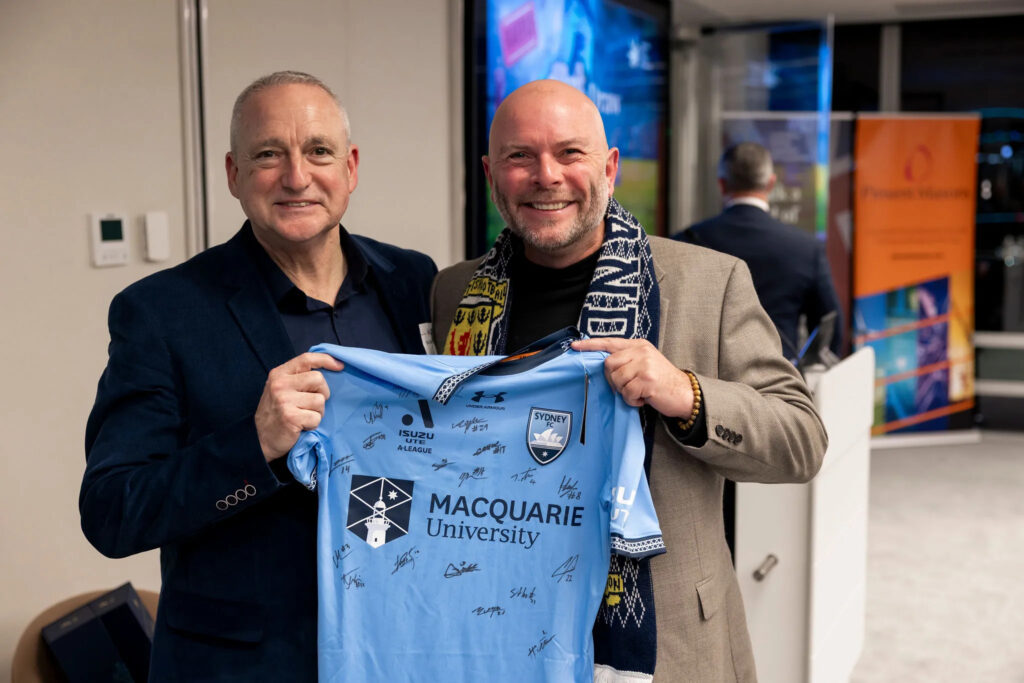
This is a wonderful insight into Ante Juric, the man, and the coach. This conversation is filled with honesty, frankness, and humour as well as significant wisdom.

Ante fell in love with the game in Canberra. Playing for Canberra Deakin, under Tom Sermanni, he made his senior debut for this fantastic club as a youngster, like so many before (the Zelic brothers, Josip Simunic and George Kulcsar to name a few).

He played almost 400 games in the NSL with Melbourne Knights, Sydney Olympic and Canberra Cosmos. He also plied his trade in Portugal, Norway and Malaysia before finishing his playing days at Sydney United. Ante also played for Australia with the U20’s, the Olyroos and the Socceroos.

Qualifying as a teacher he began his coaching apprenticeship at Westfield Sports High and then Trinity Grammar. He also was an assistant at NSWIS and Sydney FC with the A League Women, working with Alen Stajcic.

Ante has worked with our National Women’s and Men’s Teams, been National TD for Women and coached a range of national junior teams. As Head Coach of Sydney FC Women, he has made five Grand Finals in a row! As Head Coach of Sydney Olympic in the NSW NPL he has just won the Premiership!

Please join us in sharing Ante Juric’s Football Coaching Life.
Previous ArticleNext Article

Women’s football in WA backed by Construction Training Fund

It was announced on Monday by Football West that the Construction Training Fund (CTF) will become the new naming rights sponsor of the Women’s League. 

A welcome boost for Football West 

In addition to becoming the naming rights sponsor of the Women’s League, CTF will also back the following competitions: 

  • Women’s State Cup 
  • Women’s League Night Series
  • Women’s League Cup 
  • Women’s League Awards

CTF’s support for women’s football in Australia is a reflection of their ongoing commitment to the game as a whole across the state, as well as their dedication to increasing footballing and construction opportunities for all.

“We are proud to partner with Football West and support the Women’s League as naming rights sponsor,” said CTF Chief Executive, Tiff Allen via press release. 

“This collaboration reflects our commitment to promoting diversity and opportunity, not only in sport but also in Western Australia’s construction industry.”

“Through this partnership, we hope to inspire more women to explore rewarding careers in construction and showcase the pathways available in this sector.” 


A partnership with mutual benefits 

The alliance between CTF and Football West’s Women’s League represents something far greater than a commercial sponsor. 

It stands as a promise from both parties to promote pathways in sectors where gender diversity has largely been lacking. Therefore, with a shared commitment to widening participation and increasing diversity, the partnership is a fantastic step for both industries.

Moreover, Football West Manager for Female Football & Advocacy, Sarah Carroll, expressed her pride at the newly-forged connection with CTF. 

“It is fantastic that the Construction Training Fund is getting behind the Women’s League through this sponsorship,” Carroll said via press release. 

“We have many players in our leagues who work in the industry in one capacity or another, and so this is a great fit for us.”


About Construction Training Fund (CTF)

Construction Training Fund is a Statutory Authority in Western Australia. The team is committed to ensuring the construction industry across the state is sustainable, skilled and inclusive for all. 

For more information about Construction Training Fund and their work, read here.


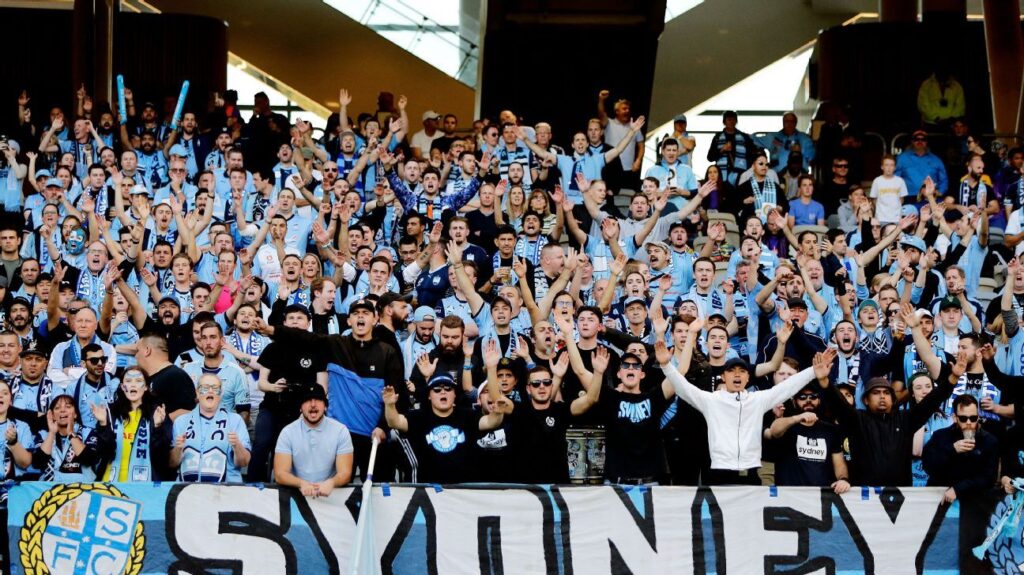
Attendance and Atmosphere: Maximising the A-League’s potential

While many A-League clubs boast some of the most impressive sporting venues in Australia, maximising their potential and drawing in consistently high attendances has remained challenging. As highlighted in the PFA ALM Report 2024-25, only three clubs – Auckland FC, Adelaide United and Western United – reached over 50% of stadium capacity on an average matchday. 

There is a clear infrastructure problem facing the A-League – so how can we tackle it?

Attendance trends in the ALM

Attendance issues and questions over stadia utilisation were revealed in the PFA ALM Report released in November 2025. The findings showed that, were it not for the introduction of Auckland FC and their impressive crowds throughout the season, average attendance in the A-league would have marginally decreased from the previous season. 

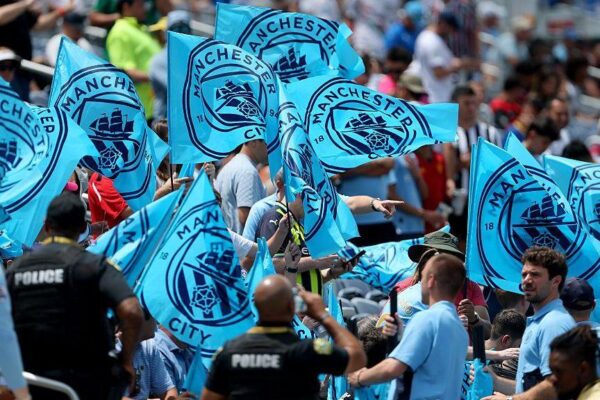
Five A-League clubs also saw their attendances fall last season, including Western Sydney Wanderers, Wellington Phoenix, Central Coast Mariners, Perth Glory and Melbourne City. Of these, Melbourne City saw the largest drop off with a decrease of 27%. 

While Auckland should be commended with their ability to attract league-high crowds in their debut A-league season, it must be acknowledged that such reliance on one club to bring up the numbers is not enough. If the league is to continue growing in the years to come, we should encourage all clubs to make efforts to bring local support from the community into the stadium. 


A ‘less is more’ approach?

Planning how to maximise stadia potential and utilise facilities effectively will be vital in future seasons. Unfortunately, the discussions which began at the turn of the millenium with the PFA’s 2002 blueprint ‘For the Fans’, has largely failed to materialise into concrete plans of action. 

The blueprint called for smaller-sized, soccer-specific stadia able to hold 10,000-15,000 fans. In the past 24 years since the blueprint, not a single stadium of this nature has been built. Instead, as the report explains, stadia capacities across the league have excessively increased and strayed beyond the ‘Goldilocks zone’.

Consequently, many clubs have struggled to follow ambitious stadium upgrades with consistently high matchday attendances. For example, of the A-League venues with a capacity of over 30,000, none of them managed to achieve a utilisation rate of over 50% in the 2024-25 season.

In comparison, 22 of the 27 MLS clubs with a stadium capacity of 18,000 to 30,000 achieved a utilisation rate of 79% in 2024, and over half almost always achieved sell-out crowds. It proves that, if clubs want to attract supporters and create intense matchday atmospheres, constructing high-capacity stadiums isn’t always the answer.

Reducing the ‘gap’ between players and supporters

The benefit to ‘soccer-specific’ stadia is that the distance between players and supporters is both physically and figuratively reduced.

“Compact grounds intensify the atmosphere from a given number of people and, close to their limits, create a scarcity factor that drives sustainable support regardless of results or other conditions,” the report explains.  

By having ‘Goldilocks zone’ capacities in purpose-built stadia, home supporters are brought closer to the action and feel more immersed in the matchday experience. As fan engagement grows and attendances increase, clubs can maximise ticket sales, creating new avenues for merchandising and unique matchday experiences to continue establishing connections with local and loyal supporters. 

Multi-purpose, high-capacity venues can rarely match the intense atmospheres and physical proximity provided by a smaller stadium. In this way, building soccer-specific stadia can help fans feel a true sense of unity between themselves and the players, leading to distinct club identities and a contagious passion for the game as a whole.

And as football fans all know, catching the football-fever bug is nearly impossible to shake off. 


Is there still cause to be optimistic?

The A-Leagues are at a turning point in 2026. As a new era begins under the guidance of recently-appointed CEO, Steve Rosich, it is vital that questions are addressed over stadium utilisation and fan engagement. But while many may look abroad for inspiration, it is also important to remember what football fans in Australia are already capable of.

In the 2016/17 season, the Sydney Derby saw an incredible 61,880 fans packed into Stadium Australia, a feat which still stands as the record attendance for an A-League game. The very same fixture took place last weekend, drawing in over 33,000 fans to the Allianz Stadium, more than double their average attendance last year according to PFA Men’s Report (15,282).

It is evident that, when it comes to finding passionate fans of the beautiful game, Australia certainly isn’t lacking. The key, however, will be to ensure that all A-League clubs have the appropriate infrastructure to engage with these fans and maximise their valuable support. 

A stadium is far more than a commercial venue – it is a place for fans to come together and find a collective identity and voice. Perhaps, however, it should be remembered that a stadium with 10,000 filled seats is far more influential than a stadium with 40,000 empty.


Most Popular Topics

Editor Picks

Send this to a friend