


Bundesliga signs Indonesian broadcasting deal

Bundesliga International has signed a five year broadcasting rights deal with Indonesian company Mola TV.

Mola TV will have the rights to broadcast all Bundesliga, Bundesliga 2 and German Supercup matches in Indonesia. The deal covers the 2020/21-2024/25 seasons.

Matches will be shown live with delayed/replay coverage also available on Mola TV’s free to air and pay TV channels as well as streaming services.

“We are delighted to have Mola TV as our partner in Indonesia and look forward to working together to make the Bundesliga the league of choice amongst Indonesian football fans,” Bundesliga International CEO Robert Klein said about the agreement.

“As well as promoting our brand of fast, high-scoring, world-class football, we are also very excited to work with Mola TV and it’s Garuda Select project to support the development of local Indonesian football talent.

“Our goal is to work closely with our partners on the ground, delivering unrivalled experiences to the Indonesian fans by bringing Bundesliga Legends, Bundesliga Experiences and Bundesliga football to the region.”

DFL Deutsche Fußball Liga, the organisation that runs the Bundesliga said that they want to bring Indonesian football fans closer to the league and will be looking into opportunities such as fan activities, and club visits in Indonesia.

“We are excited to work with the Bundesliga to bring their unique brand of football to our shores,” Mola TV’s representative, Mirwan Suwarso said in a statement.

“The league is the undisputed leader in developing world class young talents from all over the world, and if we aim to learn about developing talents, the Bundesliga is the league to learn from.”

The DFL Deutsche Fußball Liga also announced the 2020-21 fixtures for the Bundesliga and the second-tier. Both seasons will start on Friday September 18.

Fans may be allowed at matches for the upcoming season however DFL Deutsche Fußball Liga has suggested that fans of the away team will not be allowed to attend the game due to risks associated with spreading COVID-19.

The organising body also reminded clubs and fans that the fixtures may change for a number of reasons including legal requirements, changes to FIFA’s international match calendar and due to situations relating to the COVID-19 pandemic.
Previous ArticleNext Article

Football QLD to team up with Restore Function Physiotherapy

Football Queensland announced last week it will be partnering with Restore Function Physiotherapy in a multi-year collaboration.

Elite preparation and performance

By establishing a long-term partnership with a business dedicated to supporting athletes in the region, Football Queensland are showing their commitment to supporting current and future players in their physical preparation.

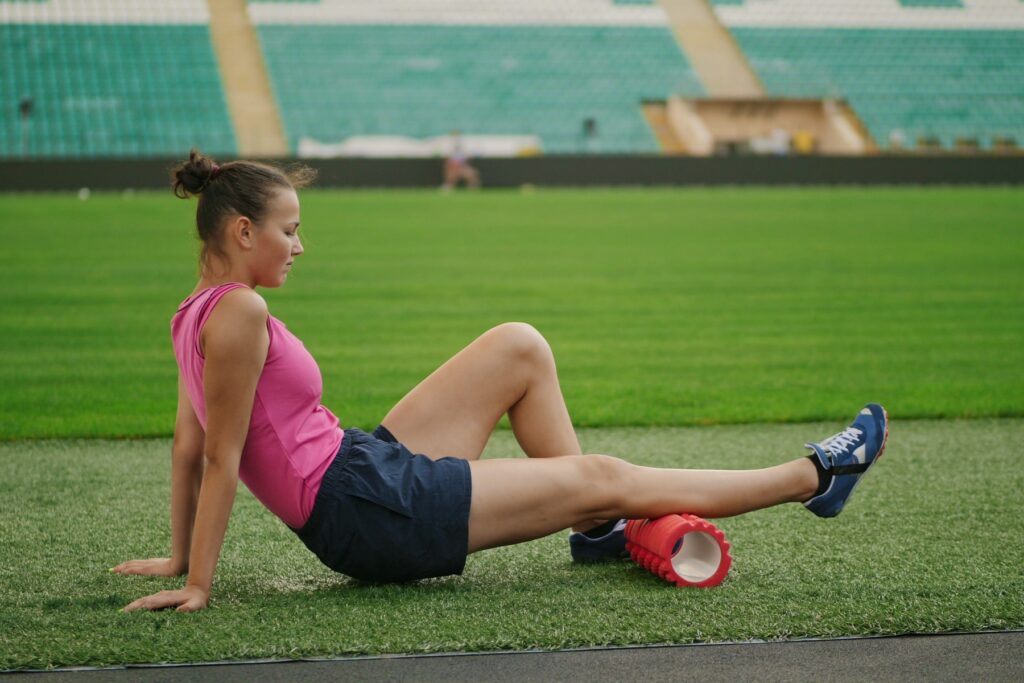
Furthermore, by ensuring injuries are kept at bay through physiotherapy, strength and conditioning services, Restore Function Physiotherapy will help Football Queensland to keep their most talented players fit and firing throughout the season.

Football Queensland CEO, Robert Cavallucci, expressed his delight at establishing the alliance and what it means for Football Queensland’s football development going forward.

“Our partnership with Restore Function Physiotherapy is a key step in continuing to raise the standard of FQ Academy and State Team programs,” Cavallucci said via press release.

“Restore Function Physiotherapy will deliver a range of services across our boys’ and girls’ pathways, including training and match coverage, injury screening, rehabilitation and high performance support,” he continued.

“The experience everyone at Restore Function Physiotherapy bring from elite sport will help to further professionalise our programs and support the long-term development and wellbeing of Queensland players.”


Supporting long-term development

As Football Queensland looks to build a sustainable footballing future across the region, prioritising players’ health will be essential. With training partners like Restore Function Physiotherapy, clubs can help their players become elite athletes, ultimately improving the footballing standards on the pitch.

Restore Function Physiotherapy Owner and Founder, Miranda O’Hara, revealed her pride at having established an alliance with Football QLD for the upcoming season and beyond.

“We’re proud to partner with Football Queensland and support its Academy and State Team players with high quality, evidence-based physiotherapy and high performance programs,” O’Hara said via press release.

“Our role is to work closely with players and staff to deliver injury prevention, rehabilitation and S&C programs that support sustainable high performance and long-term athlete development.”

It is clear that the impact of a partnership between Football QLD and Restore Function Physiotherapy goes far beyond a mere commercial venture. It is an alliance which can help a local business, as well as nurture future talents coming through the Football QLD system.

Ultimately, by providing Queensland players with elite training and support networks, a distinct culture of excellence and professionalism is created before they step onto the pitch.


Read more about Restore Function Physiotherapy and the services they provide here.


Is the FW Regional Girls Training Camp bridging the access gap for talent?

In Western Australia, the tyranny of distance has historically functioned as the primary barrier to talent identification.

For regional footballers, the logistical and financial burden of accessing elite pathways often renders the concept of “equal opportunity” a theoretical ideal rather than an operational reality. However, the recent Regional Girls Training Camp, hosted at the Sam Kerr Football Centre, suggests that Football West is moving to operationalise the structural changes announced in its 2026 academy overhaul.

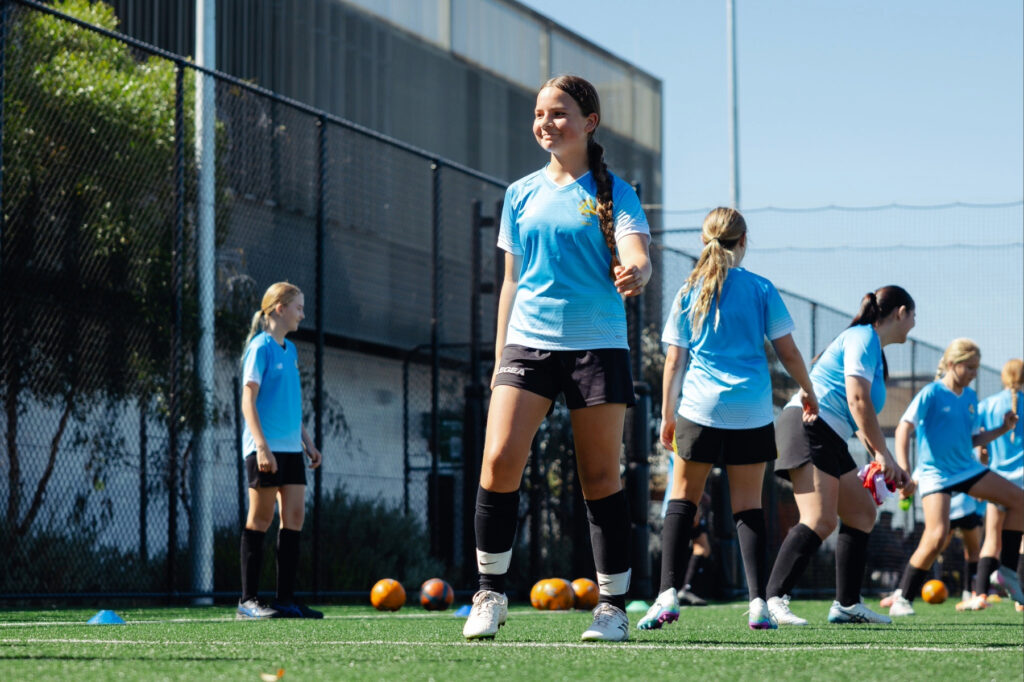
Earlier this week, nearly 100 players aged 10 to 17 converged on the State Centre for Football in Cannington. The three-day camp invited participants from the previous year’s Country Week carnival, represents the first tangible application of the “real-match” and high-performance philosophy outlined by Football West Development Manager Gareth Naven late last year.

While the previous announcement of the Regional Academy model focused on the structural shift from training camps to competitive “State Carnivals,” this current initiative addresses the resource gap. For stakeholders and policymakers, the camp serves as a case study in how centralised infrastructure assets can be leveraged to service a decentralised demographic.

Infrastructure as an equity lever

A lack of high-performance environments defines the economic reality of regional football. The facility gap between metro NPL setups and regional clubs is often vast. Football West uses the Sam Kerr Football Centre to subsidise the “professional experience” for regional talent.

Sarah Carroll, Female Football & Advocacy Manager, notes the purpose extends beyond simple engagement. The curriculum fused on-pitch technical training with athlete development workshops.

Geography usually blocks access to this sport science for a 14-year-old Pilbara or Goldfields player. By centralising this education, the governing body helps standardise the player pool’s knowledge base. Naven’s alignment strategy demands closing the “knowledge gap” alongside the technical one.

The economics of the “Legacy”

Critically, the WA Government funds the camp through the Female Community Legacy Program. This highlights the Legacy Program’s ROI for the Department of Local Government, Sport and Cultural Industries.

A stated aim to “enhance club capability” acknowledges that player development requires an ecosystem. The funding mechanism here is significant. Without state intervention, the cost per head would prohibit many families from attending.

Targeted funding bridges the gap between community participation and elite commercial viability. Regional Lead Tanya Amazzini calls these opportunities “essential” for player growth and confidence.

Strategic alignment with the 2026 pathway

Observers must view this camp alongside the Regional Academy system overhaul. The new “State Carnival” model demands players physically prepared for elite competition. This camp functions as the preparatory phase for that new competitive reality.

Football West uses elite exposure to mitigate the shock of transitioning to state programs. Furthermore, involving players from the Pilbara to the South West keeps the talent net wide. Maintaining sight on remote talent requires constant investment.

The residual challenge

However, the long-term impact warrants caution. The “re-entry” phase remains the primary challenge. Players return to clubs with significantly fewer resources than the Sam Kerr Football Centre.

Success depends on the “trickle-down” effect of the education provided. If players transfer this knowledge locally, the aggregate standard of regional football rises. If isolated, the experience may simply make the regional gap feel more pronounced.

Integrating 100 regional girls into the state’s premier facility executes the strategic plan. It signals that the Centre delivers dividends to the broader ecosystem, not just the elite.

Most Popular Topics

Editor Picks

Send this to a friend