


Football NSW confirmed First Nations Scholarships

Football NSW has unveiled its latest cohort of First Nations scholarship recipients, marking a significant step forward in its commitment to increasing Indigenous participation across all levels of the sport.

The comprehensive scholarship program, which includes both metropolitan and regional recipients, demonstrates the organisation’s ongoing efforts to boost Aboriginal and Torres Strait Islander representation throughout the football community.

Football NSW Indigenous Advisory Group Co-Chair Bianca Dufty highlighted the program’s significance.

“The Football NSW scholarships are an important part of the work Football NSW is undertaking to elevate Aboriginal and Torres Strait Islander participation in football,” she said via press release.

“It’s exciting to see so many talented Aboriginal footballers and coaches take the next steps in their footballing journey, and it’s great that we are able to support the successful scholarship recipients and be part of that journey.

“I can’t wait to see the next Aboriginal footballer, referee, and coach inspiring our next generation to play, referee and coach, and fall in love with the world game.”

The selection process, conducted in partnership with the Football NSW Indigenous Advisory Group, maintained strict anonymity during assessment to ensure fair consideration of all candidates.

The program has awarded scholarships across playing and coaching categories, with referee scholarships set to be confirmed.

The initiative specifically targets the reduction of barriers for Indigenous participants in elite pathways whilst expanding development opportunities.

It places particular emphasis on identifying emerging talent beyond traditional channels, especially focusing on individuals who may not have previously had access to elite-level opportunities.

The 2025 playing scholarships have been awarded to five metropolitan recipients: Jarrah Longbottom, Zachary John Healey, Coen Hardy, Hollie Willats, and Summer Smith.

The regional recipients are Maddison Houghton, Khloe Houghton, Alexis Woolsey, Carter Lane, and Jaxxon Woolsey. Joshua Jamieson and Jessica Garrett have been named as the recipients of the coaching scholarships for 2025.

This scholarship is a great initiative for the inclusivity of the game and a perfect way to find emerging players and inspiring coaches from the NSW Indigenous Community.

Hopefully this scholarship program and its new cohort can help promote the important place football has in supporting and enriching the NSW community.
Previous ArticleNext Article

Blacktown District Soccer Football Association Launches Youth League and Poaching Program

Blacktown District Soccer Football Association has outlined a package of initiatives for the 2026 season centred on youth development, coach education and the celebration of female participation, as the Western Sydney association moves to raise standards across community football and strengthen pathways into state-level competition.

The centrepiece of the association’s development agenda is the Blacktown Youth Development League, a new competition structure spanning all youth Division One competitions in the Under-13 to Under-18 age groups, including Phoenix League female competitions involving both BDSFA and GDSFA clubs. The league applies a benchmarking framework adapted from Football NSW‘s junior competition standards, with clubs encouraged to implement structured training environments including a minimum of two sessions per week where possible.

BDSFA General Manager Owen Liiv said the initiative responded to clear demand from within the football community for more substantive development environments.

“It is pretty clear that people want more and better football experiences,” Liiv said. “The measure for us is high-quality youth football competitions within Blacktown and ultimately, stronger performances in state-wide competitions such as the Football NSW State Cup or Football NSW Champion of Champions.”

The referees branch will support the league by prioritising Division One fixtures and providing three-person match control where available, an operational commitment that acknowledges the role officiating quality plays in the overall development environment.

The Managerial Infrastructure

Running alongside the youth competition is a free coach education program, with Foundation of Football courses delivered across BDSFA’s 24 member clubs by permanent association staff. With more than 1,000 registered coaches across the district, BDSFA has set a target of 85 percent achieving Foundation of Football accreditation within three years. Removing cost as a barrier to accreditation is a deliberate structural choice, reflecting growing recognition across Australian football that coaching quality at community level is inseparable from participation outcomes.

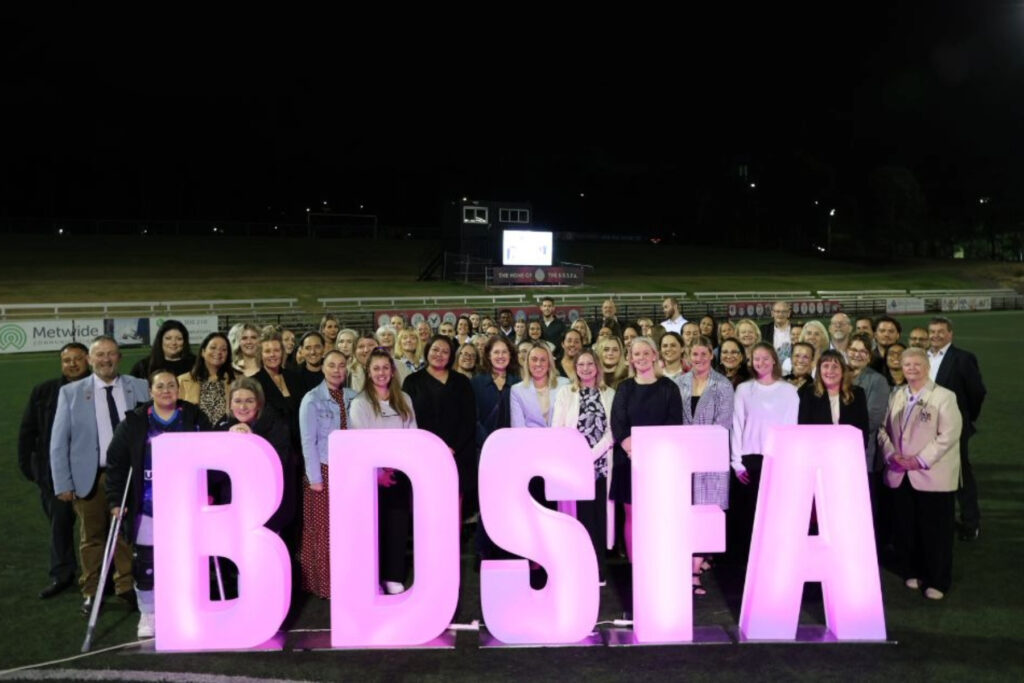
The association also launched Female Football Week with a “Cocktails on the Pitch” event at Blacktown Football Park, attended by close to 100 players, coaches, referees, administrators and volunteers. Former Matilda Leah Blayney addressed the gathering, speaking about her pathway from Wentworth Falls to international football. BDSFA has indicated the event is likely to become an annual fixture on the association calendar.

Taken together, the initiatives reflect an association investing deliberately in the structural conditions that determine whether community football grows sustainably rather than opportunistically.

Manchester City open new training centre for Women’s First Team

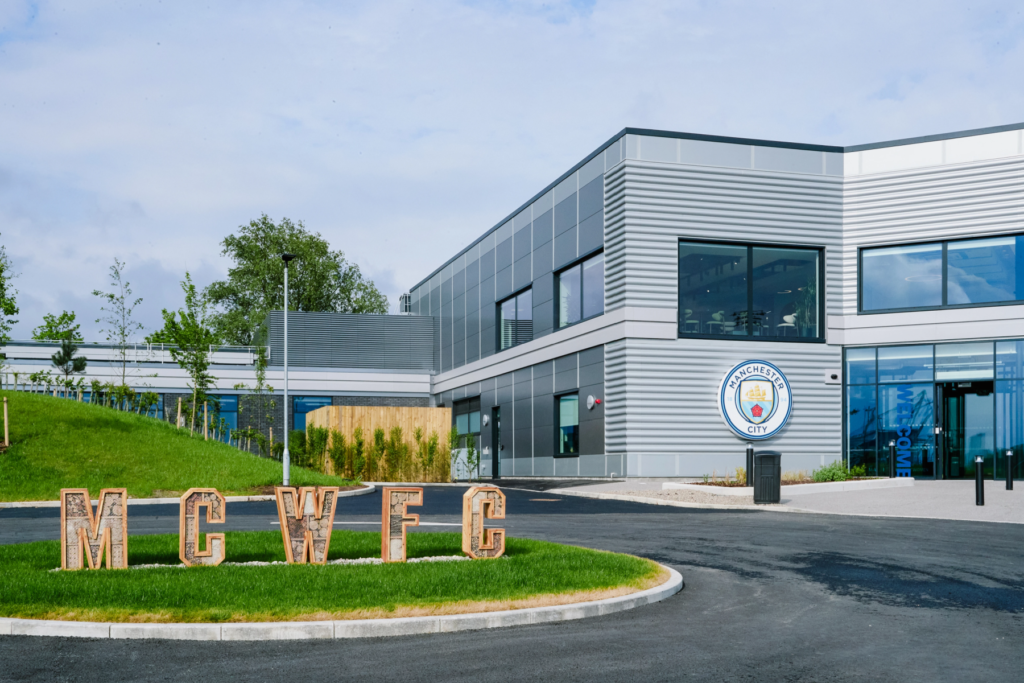
The training centre opened earlier this week, following years of planning, investment and ambition for Manchester City Women.

State-of-the-art facilities

Recently crowned WSL Champions, Manchester City Women will now be able to train, prepare and recover in a truly special, purpose-built facility.

Covering 17,000 square feet, a world-class gym, strength & conditioning facilities and dressing room, the site will help players  to maximise performances on the pitch.

But given the facilities also received input from players and staff, inspiring added touches like social spaces and recognition for players with over 100 appearances, it is clear that this is a deeply personal project for all involved at Manchester City Women.

As Managing Director of Manchester City Women, Charlotte O’Neill, highlighted, the training centre is a symbol of excellence and ambition.

“This building is about so much more than bricks and mortar,” O’Neill said via press release.

“It is about creating an environment here our players can thrive, where standards are set at the very highest level and where the current squad has everything it needs to continue to compete for and win silverware.”

A winning project, for a winning team. The training centre is sure to propel Manchester City Women to even greater heights in the seasons to come.


Continuing investment trends

Furthermore, as the result of an AUD 18.6 million (GBP 10 million) investment and purpose-built for Manchester City Women, it is yet another example of the current strength of WSL investment.

Just a few weeks ago, Brighton & Hove Albion unveiled plans to construct a new venue for its women’s team, delivering on a clear intention to support commercial growth and infrastructure in the women’s game.

But even after winning their first WSL title this season, the message from the board is clear: Manchester City Women are a fundamental part of the club’s long-term vision.

“This new facility marks the next logical step in our long-term commitment to Manchester City Women, and is an important milestone for the club as a whole,” said Chairman Khaldoon Al Mubarak.

“We have always believed in investing to create the right environment for players and staff to develop and succeed. That approach has underpinned every aspect of our work since the professional relaunch of Manchester City Women in 2014.”

Most Popular Topics

Editor Picks

Send this to a friend