

Future of Football Review Report released by Northern NSW Football

NNSWF

Northern NSW Football have officially unveiled their Sports Business Partners’ Future of Football Review Final Report and Recommendations for 2022 and beyond.

The final report reflects 10 months of comprehensive consultation with member zones, standing committees, clubs, volunteers, coaches, referees, players and staff.

Member zones, standing committee chairs and elected representatives of NNSWF Northern Inland have all received the final report for response.

The final report has also been distributed to peak sporting bodies including Football Australia, Sport Australia and NSW Office of Sport.

“Today is an important milestone and one step closer to a future with more tangible support for clubs, volunteers, coaches, referees and players,” Northern NSW Football CEO David Eland said in a statement via NNSWF.

“This implementation plan positions clubs as the agents of change. The speed at which reform occurs will ultimately be determined by clubs. NNSWF is committed to investing in the plan and building the trust and credibility required to drive change which benefits all stakeholders.”

In October 2021 NNSWF commenced a comprehensive review into the effectiveness and efficiency of the governance and administration structures which underpin the game in our region.

The review responds to Northern NSW Football’s strategic priority to lead change and improve governance throughout football to gain efficiencies which make the game better and more accessible.

The process aligns to Principle VII of Football Australia’s XI Principles for the Future of Australian Football.

Principle VII identifies transitioning towards a modern, fit for purpose governance framework for football in line with global standards and best-practice sports governance in Australia as one of the key challenges facing the game.

NNSWF’s board of directors have endorsed the final report and its recommendations, with the report to remain with members for response over the next two weeks before being released to clubs and other stakeholders.

Northern NSW Football Chair Helene O’Neill believes the recommendations will be a much-needed boost for community clubs and volunteers.

“This process has been about listening to the concerns, needs and wants of a wide range of stakeholders across our member federation,” O’Neill said via NNSWF.

“We know there are opportunities to do things better and we want to do this together with clubs and colleagues in member zones. This report is the blueprint to do it.”

Members will have two weeks to consider the recommendations and provide a response.

Following this, the final report and recommendations will be released to clubs including invitations to attend club information sessions.
Previous ArticleNext Article

SBS expands Australian Championship broadcast coverage for 2026

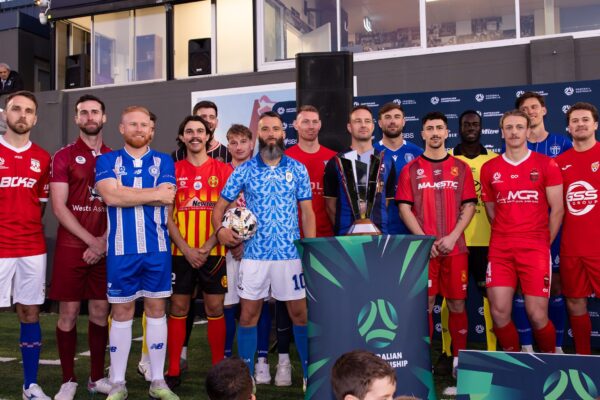
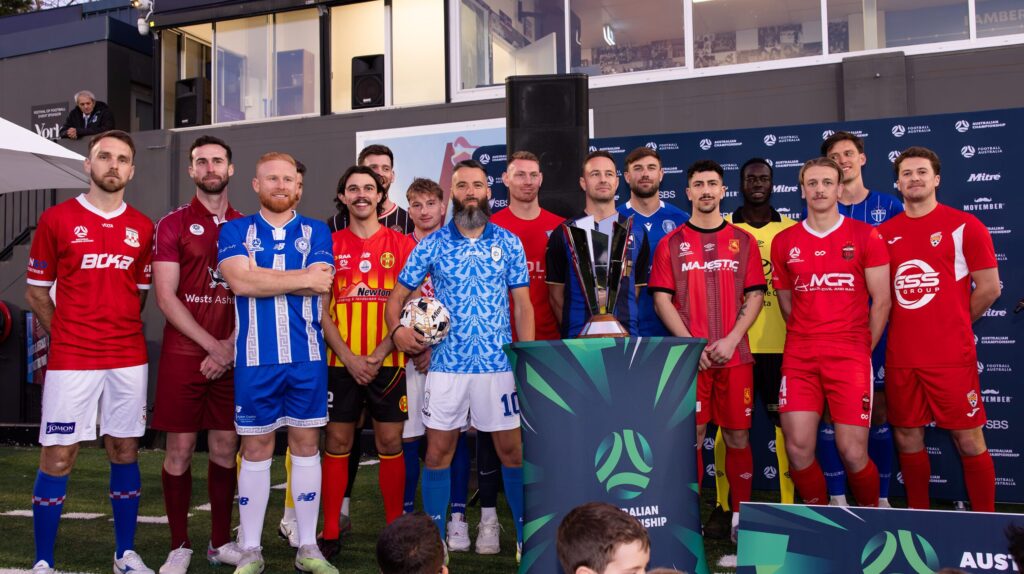
The Australian Championship will enter its second season with an expanded broadcast partnership between Football Australia and SBS. The 2026 competition will feature two live SBS broadcasts in every round, marking an increase from the tournament’s debut season.

Thursday night football will form a key part of the new broadcast schedule. The opening match will see Preston Lions face Wollongong Wolves on October 15th, with the game broadcast live on SBS2 and SBS On Demand. Saturday football will also remain part of the free-to-air schedule; first up, Sutherland Sharks’ clash with South Melbourne on October 17th will be shown live on SBS and SBS On Demand.

The expanded agreement gives the competition a greater presence across SBS’s linear channels while retaining its full streaming coverage, with every match across the 2026 Australian Championship available live on SBS On Demand. The platform also provides full replays and highlights for viewers to access at their discretion.

In addition to SBS’ coverage, Football Australia will also stream the competition via YouTube.

The Australian Championship consists of a six-round group stage, finals beginning at quarter-finals from November 26, and a Grand Final scheduled currently between December 10-12.

It features 16 clubs from seven states and territories. The broadcast schedule places several historic fixtures in front of a national audience: South Melbourne will meet Sydney United 58 in a repeat of the 1999 NSL Grand Final, and Sydney Olympic and Marconi Stallions will also renew a rivalry that includes NSL Grand Final meetings in 1989 and 1990.

GIS Sydney continues to connect students with Australia’s sports industry

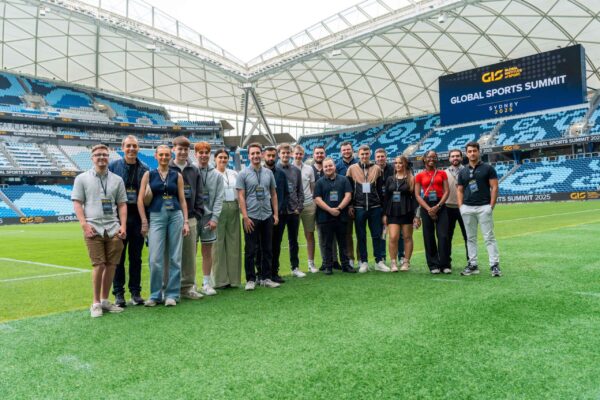
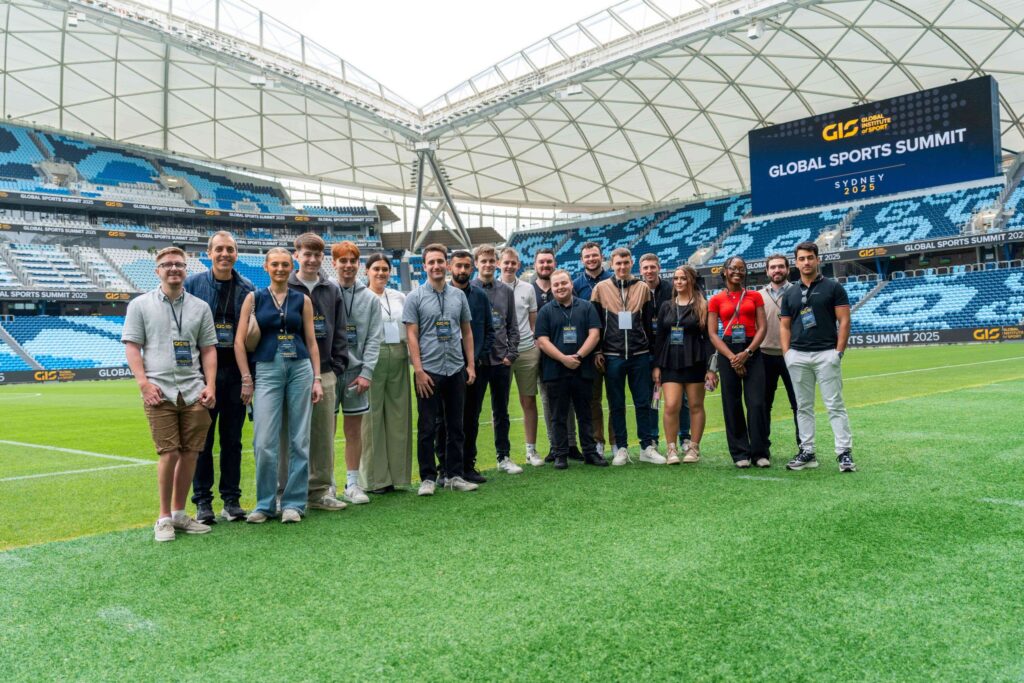
Following the launch of its Sydney campus in 2025, the Global Institute of Sport (GIS) is continuing to establish itself in the nation’s sports industry. A leading provider of degrees and executive education in sport, GIS provides students the chance to study at two of Australia’s biggest sporting venues: Allianz Stadium and the Sydney Cricket Ground (SCG).

Programs such as Sports Analytics and International Sports Business are delivered in collaboration with the University of Newcastle, and feature the chance for students to gain exclusive access to the sports industry.

More than 50 guest speakers have shared their experience with students studying at GIS Sydney, representing organisations like FIFA, Red Bull, Cricket Australia, and the AFL. While learning about the regional and national sports industry in the classroom, students have also had the chance to gain an international perspective through GIS’ signature Global Sports Summits, which have given Sydney students access to iconic sporting venues around the world from London to Miami.

Outside of the iconic venues students can call their classrooms, the organisation prioritises the real, industry placements needed to put theory into practice by providing each student with 140 hours of relevant work experience throughout their studies. Included in this are several sporting organisations who are keen to welcome GIS students on board, including the Professional Football Scouts Association (PFSA), Football Coaches Australia, and Basketball NSW.

GIS also has a partnership with popular network and app Yakka Sport to connect students with paid employment opportunities while they study.

Behind these advancements at the GIS Sydney campus is an Industry Advisory Board which features a host of experienced figures from the world of sport. Included in the Asia-Pacific branch is Chair James Rosengarten, GM of the Melbourne Renegades; Kevin Jang, Managing Director of CAA Stellar Korea; and Brad Lloyd, GM of the Carlton Football Club.

Since launching, GIS’ Sydney campus has ultimately combined its locations and industry connections to provide the next generation of sports professionals with the knowledge, network, and confidence to tackle the rapidly evolving sports industry.

Most Popular Topics

Editor Picks

Send this to a friend