

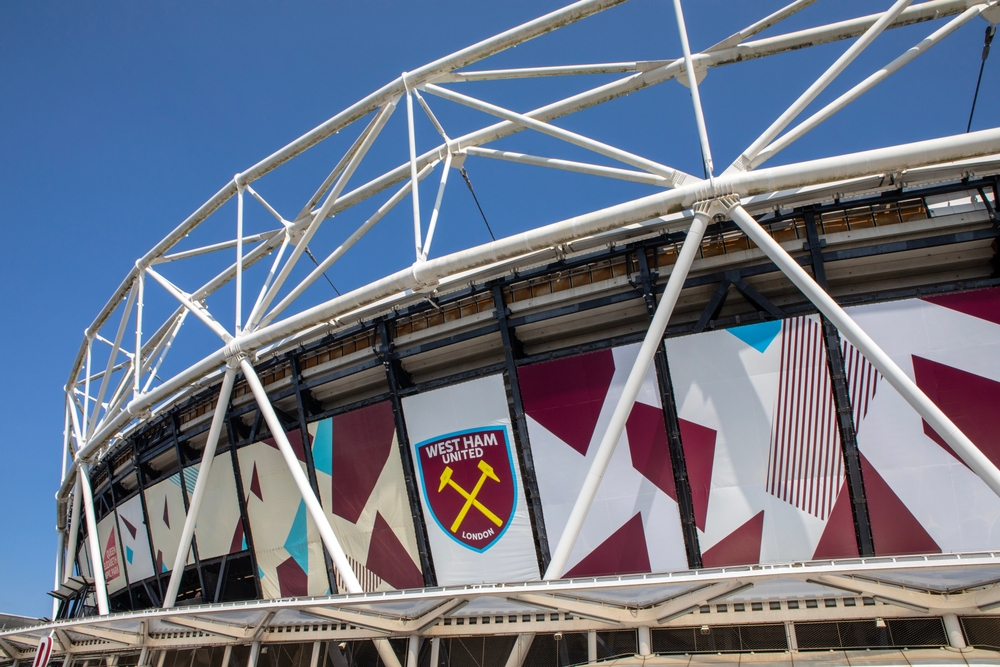
West Ham ownership battle intensifies as deal faces fresh challenge 

West Ham’s ownership battle has taken another turn. Amanda Staveley’s consortium reached an agreement to buy the Gold family’s 25.1 per cent stake in the club. The deal was confirmed in July, that Staveley would purchase the shares from Vanessa Gold, who is the current co-chair at West Ham. The club’s valuation stands at $1.1 billion (600 million pounds).

Gold’s shares in the club have come under intense speculation. Daniel Kretinsky originally agreed to take on Gold’s shares in June; this would have made him majority stakeholder with 43%. Kretinsky already owns 27 per cent of West Ham. He became a shareholder in 2021 after acquiring his stake from the club’s existing ownership group.

Gold now says the latest developments have turned, with Staveley set to purchase that stake in the club. Staveley is no stranger to Premier League ownership. She was part of the consortium that completed the takeover of Newcastle United in 2021. She later left her position at Newcastle after selling her stake in the club.

Her West Ham consortium has now targeted the shares held by the Gold family. The 25.1 per cent stake belonged to the family of the late David Gold. Gold co-owned West Ham alongside David Sullivan for many years. The pair acquired a controlling stake in the club in 2010. Their involvement began with a 50 per cent shareholding. They increased that position to 60 per cent later that year.

Sullivan subsequently became the club’s largest individual shareholder. Kretinsky’s arrival changed the balance of power. The Czech businessman bought 27 per cent of West Ham in November 2021. David Gold died in January 2023. His daughter, Vanessa, later became joint-chair alongside Sullivan.

Staveley’s consortium agreed a deal worth about $282 million (150 million pounds) for the 25.1 per cent holding, according to reports. It would instead give Staveley and her backers a major minority position. The club’s ownership structure remains divided between several significant shareholders.

Kretinsky already holds a larger shareholding than the stake Staveley is seeking to acquire. He has also been linked with ambitions to increase his control of the club. Existing stakeholders, including Kretinsky, have 30 days to implement a right of refusal. There is also an opportunity to purchase those shares instead. The deadline to block Staveley’s agreement expires this week.

The timing is also significant. West Ham were relegated from the Premier League at the end of the 2025-26 season. The club had spent more than a decade in the top flight before dropping into the Championship. That relegation came only three years after West Ham won the Europa Conference League.

The club is now attempting to rebuild on and off the pitch. Staveley’s presence adds another layer to that transition. She was also in attendance for West Ham’s Championship match against Wolves on the 1st of September.

Away from the pitch, however, the club remains at the centre of an ownership battle. The Gold family sale was expected to provide Staveley with a route into the club. Kretinsky’s potential challenge has now complicated that process.

The next stage will determine whether Staveley’s consortium completes its purchase or whether Kretinsky succeeds in increasing his own influence. Either outcome could have a major impact on West Ham’s future ownership structure. For now, the proposed sale remains the focus of a growing battle for control and influence at the London Stadium.
Previous ArticleNext Article

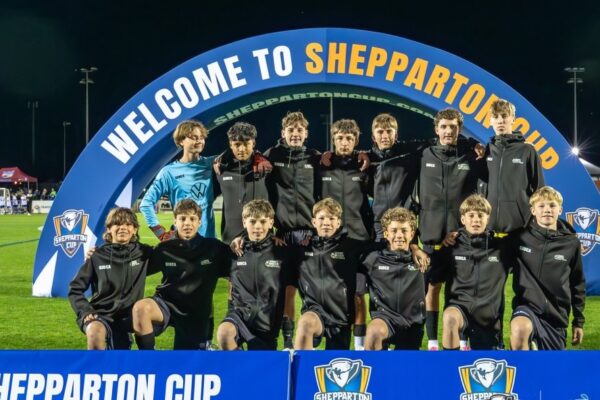
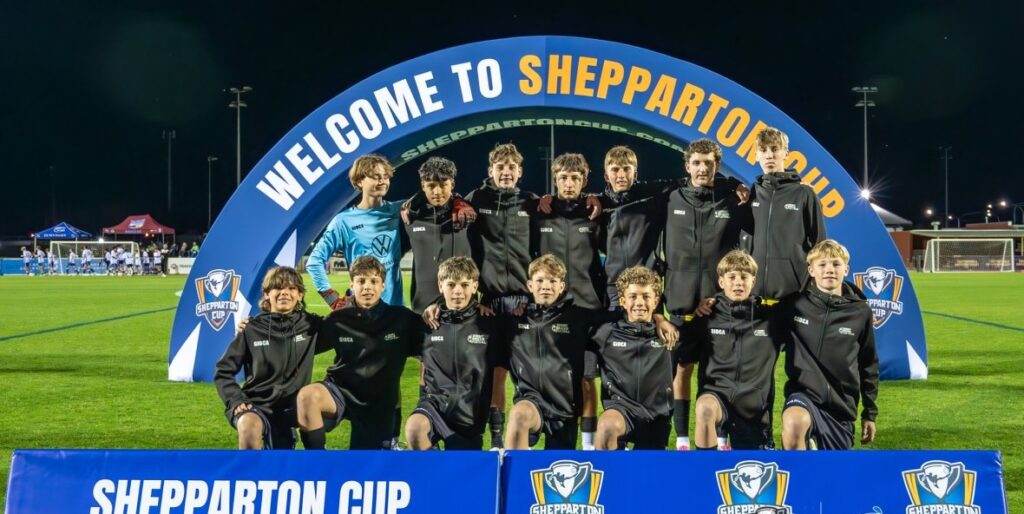
Shepparton Cup – Victoria’s biggest junior football tournament – set for 2026 edition

Victoria’s largest junior football tournament is set to kick off in style as the Shepparton Cup returns for 2026. With age groups from under-sevens through to under-17s, the Shepparton Cup welcomes players of all genders and abilities as the perfect way to end the 2026 club season.

The tournament kicks off on the 23rd of October with an Olympic-style opening ceremony. The 2025 edition saw 385 teams and 4,600 players take to the pitch across both Liga and Copa Divisions. The Liga Division is for grassroots teams of all abilities who want a fun competitive experience; the Liga Division is for NPL and state league teams who will compete in a competitive carnival.

Rolando Navas, Managing Director of Sports Group Melbourne, says the tournament is not only beneficial for young players but also for the community of Shepparton.

“The Shepparton Cup is a great opportunity for families and the wider Shepparton community to embrace the regional community and provide a platform for young players to participate and experience a competitive and fun three day festival of football.”

The 2026 Shepparton Cup will be held from 23rd to 25th October 2026 at Shepparton Sports City. For more information about the Shepparton Cup, click the link here.

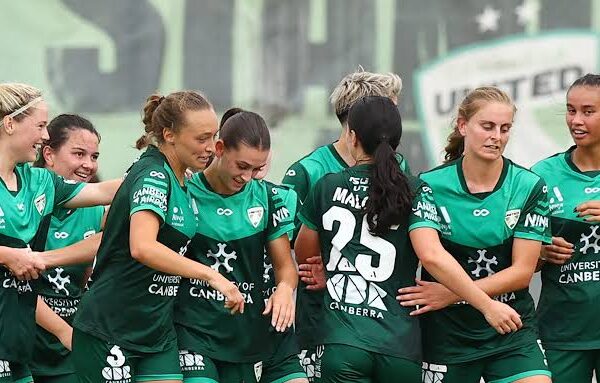
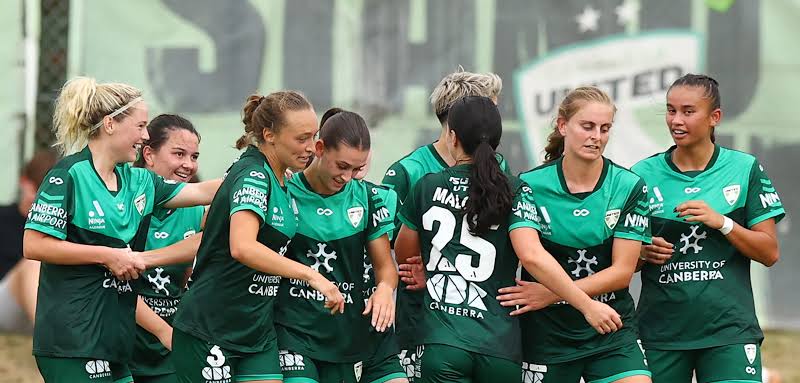
Australian Sports Group reveals ambitious blueprint for Canberra United

New Canberra United owners, Australian Sports Group, have outlined an ambitious investment blueprint for the future of the club.

The plans centre around strengthening the club’s foundations, establishing elite academy pathways, and the introduction of an A-League Men’s team. More broadly, it aims to create a stronger football ecosystem that connects players, clubs and communities across the Australian Capital Territory.

A key pillar of the strategy is the development of an elite academy. The proposed pathways will create opportunities for emerging talent to progress towards professional football, strengthening the connection between grassroots participation and the elite game. The academy would form an important foundation for the proposed A-League Men’s team. ASG are targeting an entry into the Men’s competition from 2028/29, pending required process.

The introduction of a men’s team would expand the club’s professional offering and create additional opportunities for players, coaches and football staff. It would also give local talent a clearer pathway towards senior football without having to leave the region.

Infrastructure investment is another central component of the blueprint. The group plans to improve football facilities and secure a long-term home for the club. These developments would support the women’s program while laying the groundwork for future expansion.

The strategy also prioritises stronger engagement across the ACT football community. The ownership group plans to work with local stakeholders and government to align the club’s growth with broader priorities for sport and community development.

The immediate focus remains on stabilising the women’s program and building the structures needed for long-term success. This approach provides a foundation for the club to expand its operations while maintaining its existing identity and community connections.

The investment blueprint signals a broader ambition for Canberra United. By combining elite player development, improved infrastructure and the potential introduction of a men’s team, the group aims to establish a sustainable professional football model for the capital. The vision positions Canberra United as a platform for growth across the region, with a pathway to connect grassroots participation, academy development and professional competition.

Most Popular Topics

Editor Picks

Send this to a friend