



Huddersfield Town names Accu as new stadium sponsor

Huddersfield Town has announced a landmark partnership with Accu, a Huddersfield-born e-commerce company named after the precision of the engineering parts it supplies.

Starting immediately, Accu has secured exclusive naming rights to the Club’s home ground, which celebrated its 30th anniversary last season, and will now be called the Accu Stadium.

This record multi-year sponsorship deal will run until at least 2030, highlighting a shared commitment to investing in Huddersfield and supporting the Club’s long-term ambitions, both on the field and within the local community.

More than just a name change, the Accu Stadium represents a shared commitment to progress, a clear vision, and a focus on achieving goals. This partnership aims to boost performance on the pitch and benefit the wider town.

Managing Director of Accu, Alastair Morris, believes the agreement marks an exciting new chapter for both the company and the club, built on shared values and a commitment to the local community.

“We’re incredibly proud to align our brand with this iconic stadium and with Huddersfield Town – a club that shares our passion for innovation, local pride, and community engagement, the Accu Stadium will be more than a stadium; it will be a symbol of shared ambition and a focal point for the growth of Huddersfield,” he said via press release.

From humble beginnings in a Huddersfield bedroom to a 45,000 sq ft facility in Honley, Accu has grown into a thriving local employer of over 130 people and continues to expand. For both organisations, this long-term deal is about more than business — it’s about giving back.

Together, Accu and Huddersfield Town will invest in the community through:

  • Education-led STEM (Science, Technology, Engineering & Maths) outreach programs
  • Community development projects
  • Enhanced match day experiences and fan engagement activities

Huddersfield Town’s CEO, Jake Edwards, said the deal with Accu represents more than a naming rights agreement, signalling a shared commitment to long-term growth and sustainability.

“This partnership not only reflects the shared ambition and values of our two organisations but also helps us invest further into the future of Huddersfield Town, both on and off the pitch.

“We also feel that Accu’s vision of building a better future aligns with our ambitions as a club – both in terms of our football aspirations and our sustainability commitments.

“We are impressed with Accu’s commitment to net zero and hope to not only join them on this journey, but to attract other like-minded sponsors and partners,” he said via press release.

Huddersfield Town’s CRO, Paul Reeves, said the new naming rights agreement with Accu marks the beginning of a new era for the club and its stadium, following a year of strong relationship-building between the two organisations.

“This is a really pleasing partnership that we have seen genuinely grow over the last 12 months and develop into something that is going to be both iconic and long lasting for both organisations.

“To start this new era for the stadium having just completed its 30-year anniversary allows us to invest in the continued development of the building and its surrounding footprint.

“We would also like to place on record our sincere thanks to Heineken UK, who have supported the stadium for over a decade, and we will be looking to also extend that relationship in the coming weeks through a new pouring rights agreement with Heineken for the stadium,” he said via press release.

The stadium’s new name and identity will be officially revealed to fans ahead of the home friendly fixture of the 2025/26 season, when Town host Lancashire rivals Burnley FC next month.


Previous ArticleNext Article

Football NSW announce price freeze for junior and youth players

Football NSW has announced a fee freeze for junior and youth community players in 2027, continuing its pledge to keep the game accessible for everyone across the state. 

In addition, senior players aged 19 and above will see their registration fee increase by just $1.50. Both junior and youth player fees will remain the same at $54.43, whilst senior members will pay $107.50.

The fee freeze highlights Football NSW’s commitment to keeping the game financially convenient for both players and families. 

Football NSW CEO, John Tsatsimas, said via Football NSW, “Football is the game of the people, and we recognise the importance of keeping participation accessible for families across our state. By freezing our registration fees for junior and youth players in 2027, we are continuing to support the next generation of footballers and help ensure that cost is not an unnecessary barrier to participation.”

The decision comes following similar price freezes at Football Queensland and Northern NSW Football in 2025. 

Despite the governing bodies acting separately, their unity on maintaining affordability throughout the game is a welcome sign. Managing to keep fees at an fair rate for families is a key component in sustaining grassroots football across the country.

“We have worked hard to manage the pressures facing the game, particularly around insurance, while ensuring Football NSW can continue to deliver the services and support our clubs, associations and participants expect,” said Tsatsimas. 

Despite the cost of living crisis, it is important that the game remains accessible for everyone. Football NSW have identified that even during tougher financial times, they can keep it that way. 

Through diligent financial handling, especially with care surrounding insurance and inflation (more of which can be read here), they are prioritising the game long-term over a short financial gain.

This fee freeze will directly impact the senior players and the families of younger members, too. The decision makes football not only more accessible, but provides more opportunities for players to strive for the highest levels of the game. 

Football Victoria demands more Victorian Government support amid grassroots boom

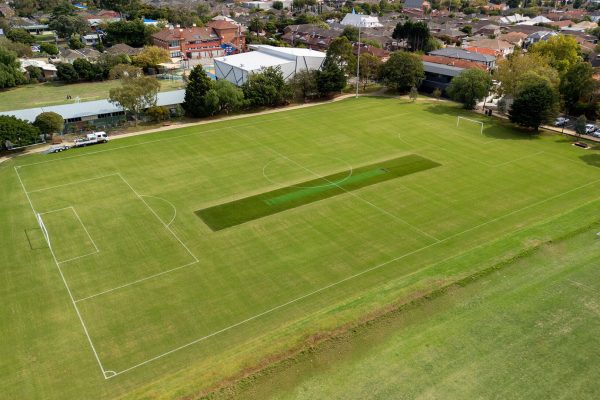
Football Victoria is targeting Victorian Government funding for Glen Eira FC, in order to improve the club’s facilities and accommodate a recent surge in participation.

The interest and demand in football across Melbourne is ever growing, and Glen Eira FC is one such example.

Located in Melbourne’s inner south-east, the club has more than 1,100 players with nearly 95% of them aged 18 or under. In the suburb of Bentleigh alone, football participation has increased 18% alongside female engagement growing 76% in recent years.

However, at Marlborough Street Reserve, the conditions of the pitch – specifically during winter – can curb accessibility. Wet weather, non-stop usage and limited capacity make it difficult to accommodate all club members. This results in restricted training and playing opportunities.

Lachlan Cole, Football Victoria’s Head of Government Relations & Facilities, said via Football Victoria: “The story at Glen Eira FC is one we are seeing right across Victoria and specifically in Metropolitan Melbourne. Participation is growing, particularly among juniors, women and girls, but the infrastructure needed to support that growth is buckling under the weight of demand.”

To tackle this, both Football Victoria and Glen Eira FC want to convert the existing pitch to a synthetic surface and provide improved lighting for the ground. This would create a more reliable environment for players and support the growing demand for football in that community.

Speaking to Football Victoria, Glen Eira FC President Odilia Wijburg said, “A new sporting precinct with a synthetic pitch would be a game changer, providing year-round access, supporting participation growth and creating a lasting community asset that will benefit local families for generations.”

These issues are not exclusive to just Victoria, but are instead seen nation-wide. Football NSW recently pledged over AUD 200,000 to three amateur clubs to help upgrade their facilities and support the local communities.

Despite the increased interest in the game, the lack of reliable infrastructure, especially in grassroots football, leaves not only local areas without proper facilities, but creates a complicated road for young players hoping to navigate to the top of the game. 

Without the support of the Victorian Government, grassroots football could suffer an underwhelming fate. If the game is not supported from the bottom, the top might not reap the rewards of the next generation. And if that happens, alongside local communities, both the domestic leagues and the international team may suffer.

Most Popular Topics

Editor Picks

Send this to a friend