

UEFA eases Financial Fair Play regulations

UEFA have temporarily eased their Financial Fair Play regulations and added new emergency measures to help clubs with their finances.

UEFA have temporarily eased their Financial Fair Play regulations and added new emergency measures to help clubs with their finances during the Covid-19 pandemic.

The UEFA Executive Committee met via a video conference, with approved measures such as the postponement of the break-even assessment of club finances for 2020. This will be moved to the financial year of 2021.

In an official statement by UEFA, each of their emergency measures will have flexibility at the forefront as clubs are given the chance to adapt to this unique and complex situation of the pandemic.

UEFA will ensure that each club continues to fulfil their transfer and salary obligations on time, by allowing them more leeway to take into consideration any unanticipated loss of revenue as the future remains unclear, including the return of crowds to matches.

The adverse impact of Covid-19 will be neutralised according to UEFA, as clubs are allowed to adjust the break-even calculation for revenue shortfalls reported this year and next, aimed at protecting the system from potential abuses.

There will be equal treatment of clubs given that the impact of Covid-19 may be felt differently depending on reporting periods and when each country’s domestic leagues take place. Not all competitions have had a restart to their seasons and even cancelled, while those that have started again will most likely go beyond the end of this financial year.

UEFA will make sure to get an accurate reading on club finances, where instances of revenue shortfall are caused by Covid-19 and not financial mismanagement. It means that the spirit and intent of financial fair play is still there to secure football’s long-term viability.

Financial Fair Play changes have been eased as UEFA recommends a ‘harmonised’ end date to the next transfer window due to the interrupted league seasons and losses of revenue. Clubs will need to navigate through the end of player contracts on June 30 despite competitions exceeding that point.

The UEFA Executive Committee has called on all member associations to mark down the date of October 5, 2020 as deadline day, while the due date for player registration for the group stage of the 2020/21 UEFA club competitions has been set a day later at October 6, 2020.


Previous ArticleNext Article

APL and PFA remain without agreement as bargaining tensions continue

The Australian Professional Leagues (APL) and Professional Footballers Australia (PFA) remain without a new collective bargaining agreement, with negotiations continuing less than three months before the start of the 2026–27 A-Leagues season.

The APL presented the players’ union with a new one-year interim proposal on August 5, which included an increase to the A-League Women salary cap and a commitment to establish a pathway towards full-time professionalism for the women’s competition within 12 months.

The proposed agreement would provide an interim framework while the two parties continue discussions over a longer-term collective bargaining agreement.

APL chief executive Steve Rosich said the proposal reflected the league’s commitment to reaching a sustainable agreement with players following eight months of negotiations.

However, the PFA criticised the APL for publicly announcing the proposal shortly after presenting it to the union, arguing that the approach had further damaged trust between the two parties.

PFA Chief Executive Beau Busch also said players had overwhelmingly rejected the APL’s previous final offer, citing a lack of trust in the league’s ability to ensure its future.

Full-time professionalism for the A-League Women remains a key priority for the PFA, with players seeking improved conditions and greater investment in the competition.

The A-League Men and A-League Women seasons are both scheduled to begin on 16 October 2026.

With the new season approaching, both parties face pressure to resolve the dispute and establish the framework governing player conditions across the A-Leagues.


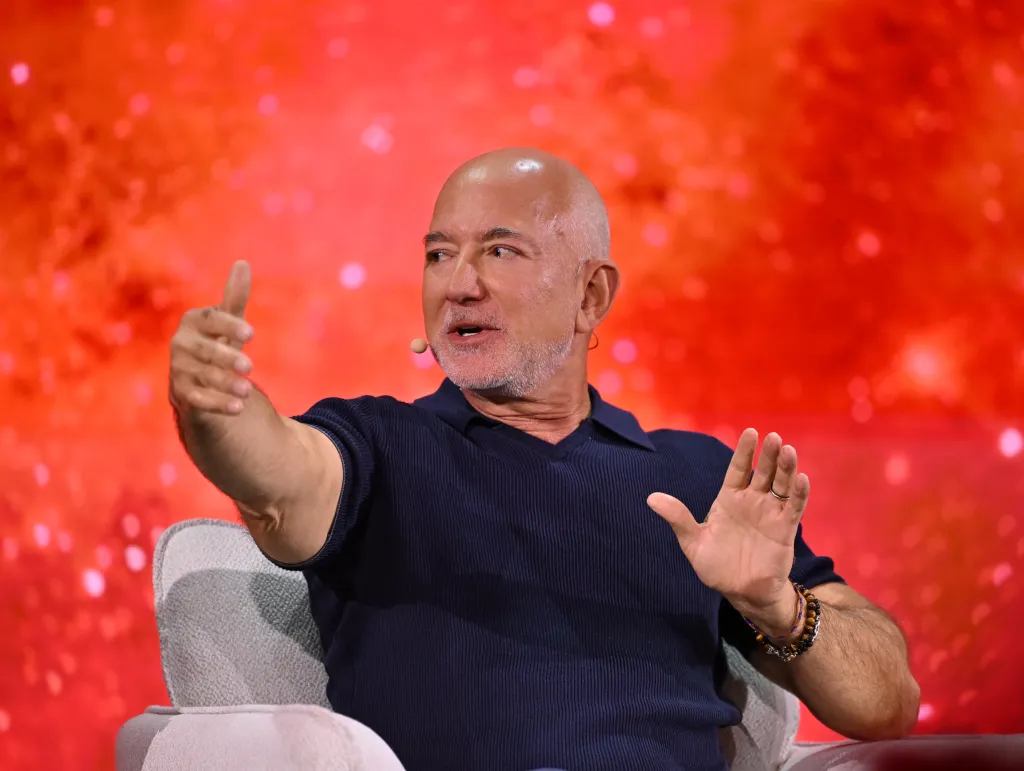
Jeff Bezos consortium set for $2.7 billion Liverpool investment

Liverpool could soon welcome one of the world’s richest men into its ownership structure.

Amazon founder Jeff Bezos is part of a consortium in advanced talks to buy a 30% stake in the club.

The proposed deal values Liverpool at around $8.6 billion (4.5 billion pounds). Bezos has a personal fortune estimated at $363 billion.

The investment would give Fenway Sports Group (FSG) a major financial return. It would also allow FSG to keep control of the club, which they bought in 2010.

The proposal has attracted attention across football. It has also created concern among sections of the Liverpool fanbase.

FSG set for major return

FSG bought Liverpool for $573 million (300 million pounds) in 2010. The ownership group later provided further funding through loans. In the last 16 years, the club has undergone major growth.

Liverpool ended a 30-year wait for a league title in 2020. The club also won the Champions League in 2019. Another Premier League title followed in 2025.

Stadium redevelopment and a new training centre have also increased the club’s value. FSG could cash in on $2.7 billion (1.4 billion pounds) if the 30% share is sold.

The deal would therefore represent a huge return on its original investment. However, whilst the investment would provide a massive cash out for the owners of Liverpool, due to Financial Fair Play there won’t be increased investment in the transfer market.

Why Bezos wants Liverpool

Bezos has explored sports investments before. He has been linked with major American franchises such as the NFL’s Seattle Seahawks.

Liverpool would give him a stake in one of football’s biggest global brands. The club also has a large following in the United States. The New York Times has also reported Liverpool has 26 million fans in America.

That makes the investment attractive for investors looking to expand their reach in global sport. American businessmen Eduardo Saverin and Amit Bhatia are also reportedly involved in the consortium.

The deal would add to the growing American influence across English football.

Fans remain cautious

Liverpool supporters have not automatically welcomed the proposal.

The club’s previous experience under Tom Hicks and George Gillett still influences the fanbase.

Supporters also want greater clarity over the consortium’s intentions. Questions remain over board representation, control and the long-term purpose of the investment.

For many fans, ownership must involve more than financial ambition. The Bezos proposal could strengthen Liverpool’s commercial position. It could also deliver a huge payday for FSG.

But until the consortium reveals more about its plans, supporters are likely to treat the deal with scepticism.

Most Popular Topics

Editor Picks

Send this to a friend