


2022 has seen football’s consistent return across Victoria, in a greatly changed environment following two seasons largely ruined by Covid-19. Nearing the end of the NPL Victoria Men’s and Women’s competitions, Football Victoria President Antonella Care spoke with Soccerscene on the health of her organisation, and the state of the game moving forward.
 We’re over 12 months into your tenure as Football Victoria’s President, a period which has been largely defined by football’s return post-Covid-19. In addition to this, what do you consider the strongest success of the organisation during this time?
Antonella Care: Prudential financial planning and management through the Covid period and two cancelled seasons was really critical. I’m really proud of the strong commitment and support we gave our clubs during that period, and the fact participation in 2022 is almost at pre-pandemic levels is good evidence of that. Robust governance has been something that I’m equally proud of and think is a good success of the organisation.
We’ve also developed a greater awareness and sharper focus on gender equity, and as the first female president of Football Victoria, it’s a badge of honour that I wear. Under my stewardship I’m able to bring a greater focus to that, noting that our 50-50 focus has been adopted by Football Australia, so it’s now a national objective.
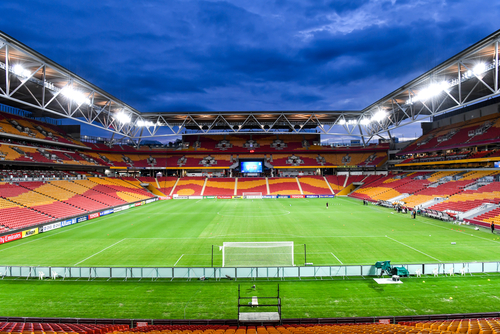
The home of the Matildas will serve as a built institution and legacy for football in Victoria. It’s really important that we’ll receive the greatest funding attributed to the round ball in this country. It will lead to a strong focus on female participation, and ensure that we as a board, especially post-Covid, have a strong focus on grassroots, and support our clubs to recover with prosperity for football.
Could you please expand on robust governance?
Antonella Care: Without speaking out of turn, I think football in Australia has historically been the recipient of people who have influenced the game, over and above what is best for it. When I say strong governance, we have implemented a governance review of football, and we’re in the throes of determining the best strategy of putting that forward. We’ve had a really good look at the standing committees and communications, and there is some interesting information that has come out of those reviews that will start to take effect into 2023.
I think, too, with the constitutional review that’s taken place, and the committee that’s been leading the charge on that, we have a good cross section of advice and information that will inform the constitutional reform changes that will hopefully, again, be showcased later on this year. All these things are leading to a stronger ecosystem, leading to decisions that are made on balance and not influence.
We’re nearing the end of the return seasons of both the NPL Victoria Men’s & Women’s campaigns. Do you feel the return has been successful? Other than participation numbers, are there any other means you’ve used to quantify this?
Antonella Care: It’s been hard, but there’s no doubt interest in our top tiers is strong, and certainly the streaming numbers have shown that. Victoria has been one of the greatest recipients of the NPL.TV platform in particular, with over six million minutes of football consumed. Our stakeholders have been extremely willing and well positioned on the back of Covid, so I think that’s had a significant impact on our success as well. Victoria has had to pivot far greater than everybody else and our resilience has shown that, so they’re probably the key things.
In hindsight, is there anything you feel you could have carried out differently in returning from the pandemic?
Antonella Care: The position Victoria was in as a closed state for such a lengthy period was something we will hopefully never see again. We probably could have communicated more frequently [when resuming post-Covid] – I think everybody spent so much time trying to see what we could do to reinstate football and get people back on the park, and we had to pivot so many times through those challenges because the numbers, rules and protocols were constantly changing.
If I had my time over again, our focus would have been greater communication, and a lot more discussion around resilience and mental wellbeing. These are the things our game doesn’t always do well; I would put some more emphasis around that.
We did introduce some really good opportunities and collectives in getting our community together. Like everybody else, the transition into Zoom, Microsoft Teams and other platforms got better as the pandemic got longer.
What do you feel is the biggest challenge facing football in Victoria, and the game in Australia more broadly?
Antonella Care: Covid-19 continues to present the single biggest challenge to our sport both locally and nationally, and the compliance and continued requirements for social distancing is still having an impact. Everything from return to play protocols to financial pressures have changed the way people engage in organised sport, potentially forever, and I predict those financial impacts will continue. That comes from people who lost their jobs or were stood down over the period, to the way we now spend our money differently, and it’s also impacted who chooses to play organised sport.
The other obvious thing is the added challenge of attracting volunteers. Like all sports, we’ve had a significant loss to our volunteer base; whether people who are older are now more afraid, or who through their own requirements after a two year hiatus have decided to just go and watch rather than actually volunteer. It’s a hard job, and they’re what make or break our game day experiences.
We’ve also lost a lot of referees, and I don’t think that’s a big secret to anybody – that’s been challenging. Finally, ongoing education; we’ve lost and forgotten how to be respectful of each other, and of the people helping us through game day experiences.
Returning to your partnership with Cluch.TV to provide NPL.TV – in your opinion this has been a success, nearing the end of your first season with them?
Antonella Care: It’s been terrific to broadcast matches on a dedicated platform. It has the ability to play live matches, integrated highlights, all of that has been thrilling. We’ve welcomed new faces to the commentary team, including some really amazing new female voices. It’s a solid product, it has multiple ways you can access it, and there’s an opportunity to further commercialise it.
One of the major benefits of Cluch.TV is the opportunity for our clubs to feature their partners with 20% of the advertising inventory going back to them, so again it’s a monetary opportunity. That said, obviously nothing beats attending a match in person – you want to soak up the atmosphere and be part of your community. So we see our streams as a supportive product to create exposure for people who aren’t necessarily lovers or frequentors of football; it’s a growth opportunity for new people to come into our fold.
Does Football Victoria have a position on the regulation of private academies? Is there interest in building a membership-based framework that incentivises participation, but also promotes compliance in certain areas across the board?
Antonella Care: Academies reflect what is a strong demand for football, 12 months of the year. We’re always looking for opportunities where we can work with our stakeholders, there is no doubt we need to improve our game. Football Victoria does work with clubs who have dedicated private academies or associations with private academies, and it’s been successful, especially in our junior NPL programs.
I think with some good governance frameworks along with Football Australia, we can continue to have solid and successful relationships with all providers. There is enough there for everybody, and this is really about ‘the game’, it’s not about capitalising on every front. As stated in our strategy, it’s ‘football any time, any where’, and academies provide another opportunity for that.
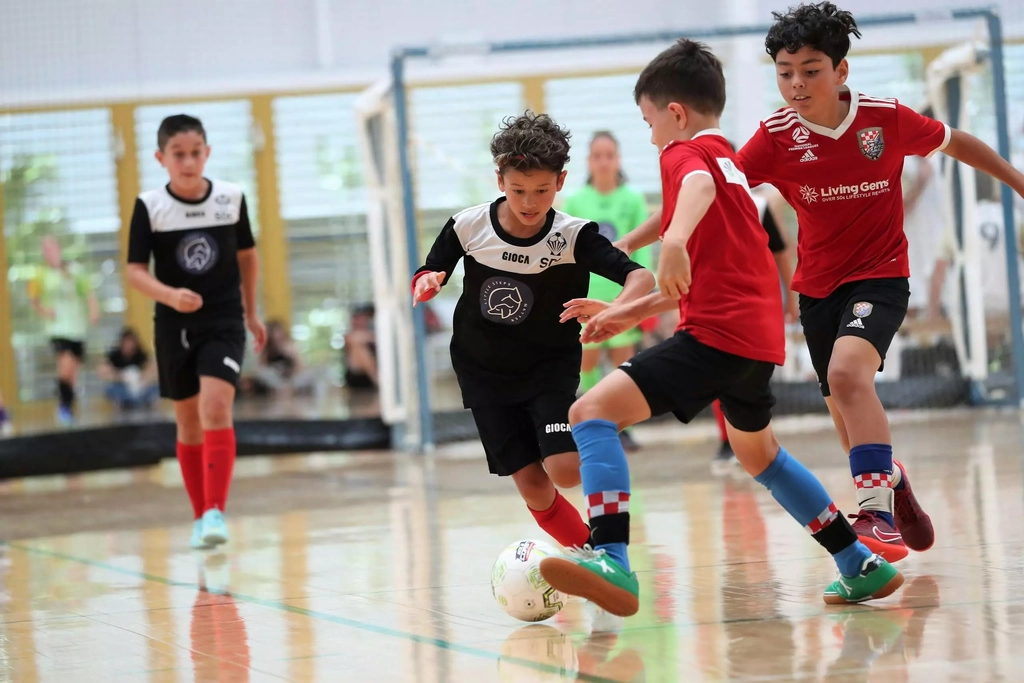
I think we can work together, and it’s important to have good relationships with our stakeholders. As seen with bringing futsal back into the fold, it’s provided a good governance opportunity. Some of the systems out there are fantastic and don’t need ‘intervention’. For those that perhaps want assistance and guidance we are happy to provide it, but we don’t need to be all things to all people.
Does Football Victoria have a position on the potential development of a national second division? Has there been any consideration towards potential vacuum effects should top clubs ascend out of the current NPL structure?
The continued development and growth of our game is important, in whatever form that takes. I don’t think a second tier will create a vacuum necessarily, I think it will continue to grow our development pathways. Football Victoria remains committed to the successful launch of the second division, and I would say to any clubs who are selected, that we will be more than happy to support them in that process. We have so many strong NPL clubs in our state, that any potential vacuum won’t materially affect any clubs that choose to stay in the NPL system either.