Football Queensland’s Paula Robinson appointed as QAS chair

Football Queensland’s newly-elected Board Director Paula Robinson has been appointed as Chair of the Queensland Academy of Sport (QAS).

Established in May 1991, the QAS are a Queensland Government initiative which supports both elite and developing athletes in the state.

“On behalf of Football Queensland I’d like to congratulate Paula Robinson on her appointment as Chair of the Queensland Academy of Sport,” Football Queensland President Ben Richardson said.

“Our most recently elected Board Director, Paula is a leading sports lawyer who has worked on major sporting events including the 2018 Commonwealth Games and the 2018 Invictus Games.

“Not only is Paula highly credentialed, but she is also well respected amongst members of the Queensland sporting community, and her appointment as Chair of the QAS is fantastic news for sport in our state and credit to her achievements in her field.

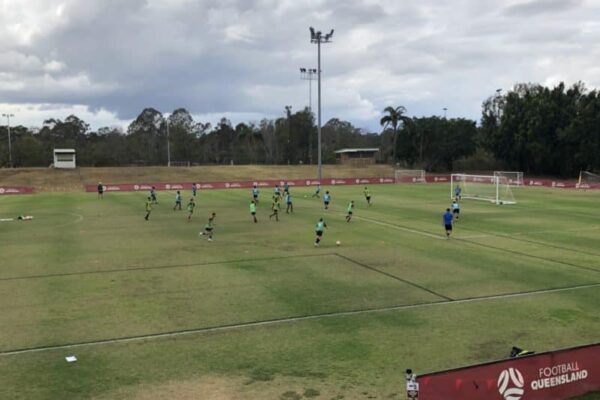
“Football Queensland maintains a strong relationship with the Queensland Academy of Sport, offering a full-time training and playing program for the state’s most promising young female players with the support of the QAS.

“We look forward to continuing to work with the Queensland Academy of Sport to develop elite talent from around the state in the years to come.”

Robinson was elected to Football Queensland’s Board of Directors on July 29, alongside the re-election of Richardson.

Robinson has added a wealth of experience as an award-winning lawyer with over a decade’s worth of work in that field, while she also has 13 years’ experience in areas such as executive management, marketing and business development.

Upon arriving at Football Queensland, her other roles included being Executive Director of boutique legal and corporate services firm Ailier Pty Ltd and the Vice President of Tennis Queensland.

“I’m delighted to be elected to the Football Queensland Board of Directors and look forward to joining an organisation that is committed to growing football across the state, and providing opportunities for everyone to be part of the game,” Robinson said when joining Football Queensland.

Football Queensland’s Board of Directors features Robinson, Glenn Smith, Tony Davis, Jon McKain, Jackie Knight and Amy Chapman – headed by Richardson as President.

Previous ArticleNext Article

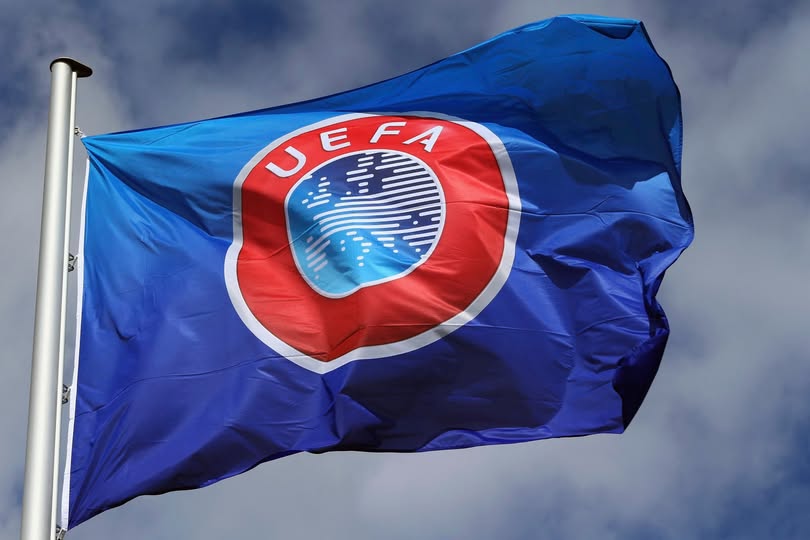
UEFA set to end FIFA boycott threat after World Cup investment plan collapse

UEFA is set to withdraw its threat to boycott FIFA competitions after receiving assurances that a controversial private investment plan will not return. The dispute originally centred on FIFA President Gianni Infantino’s proposal to bring private investors into the commercial rights of the World Cup and other FIFA tournaments.

UEFA strongly opposed the plan. European football leaders argued that major international competitions should not become investment products. FIFA later withdrew the proposal. However, UEFA continued to demand guarantees that it would not be revived.

Those assurances now appear to have eased the immediate conflict.

FIFA’s money move

The dispute was about more than football governance. It raised a major question about who controls football’s most valuable commercial assets.

Infantino’s proposal involved creating a new commercial structure that could have attracted billions of dollars from private investors. Reports put the proposed business at around $28 billion ($20 billion USD), with investors set to take a stake in the new entity. For FIFA, private capital could have created new opportunities to expand commercial revenue and fund football development. For investors, World Cup-related rights would offer exposure to one of the world’s most valuable sporting properties.

But UEFA’s opposition highlighted the risks. Selling part of the commercial upside could reduce FIFA’s control over future revenue and create pressure to prioritise financial returns.

Why it matters for football

The outcome could shape how football’s biggest competitions are financed in the future. FIFA still controls enormous global media, sponsorship and commercial assets. Any move to bring outside investors into those assets could change the balance of power across the sport.

The failed proposal also exposed tensions between FIFA and major football confederations. UEFA, CONCACAF and the AFC all criticised the original plan.

For clubs, broadcasters and sponsors, stability matters. A prolonged dispute between FIFA and UEFA could create uncertainty around competition. The FIFA Under 20 Women’s World Cup kicks off on September 5th. Not only was there debate over whether European nations would participate, but the tournament is being held in the European nation of Poland.

With the boycott officially over, the disruption to the tournament has been alleviated, but wider tensions still remain.

The conflict is not over

UEFA may now drop its boycott threat, but its discontent with Infantino’s leadership remains.

UEFA leaders continue to push for a change at the top of FIFA. European football figures have also called for greater transparency and stronger consultation with football stakeholders. So whilst the immediate business threat has eased, the bigger question remains. Who should control football’s future commercial growth and who could contest Infantino in March at the next presidential election?

Beyond Old Trafford: How Manchester United’s new stadium could reshape an entire district

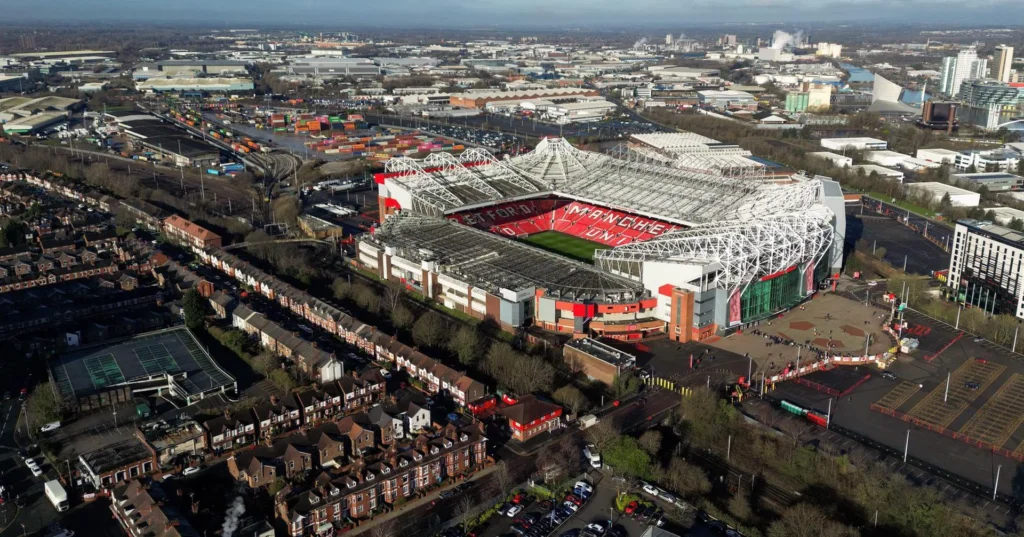
Manchester United’s proposed new 100,000-seat stadium is more than a replacement for Old Trafford.

It’s the centrepiece of one of the most ambitious urban regeneration projects ever planned by a football club.

Unveiled in March by architects Foster + Partners, the concept would see a new stadium built adjacent to Old Trafford, just 350 metres from the existing ground.

Supported by Trafford Council, the Greater Manchester Combined Authority and Old Trafford Regeneration Mayoral Development Corporation the proposed development aims to transform the area surrounding the stadium into a thriving mixed-use precinct featuring housing, commercial space, public transport improvements and new public amenities.

While the stadium dominated headlines, the broader vision is about much more than just football.

Once complete, the new venue would become the largest club football stadium in the UK, increasing capacity from around 74,000 to 100,000 spectators.


More than just a stadium

However, the stadium is only one piece of a much larger plan.

Foster + Partners vision includes new homes, offices, hotels, retail and hospitality spaces, green public areas and improved pedestrian links.

They believe this “mixed-use” destination will attract visitors throughout the year and create a “vibrant destination” for tourists and visitors from across the world.

The proposal also places a strong emphasis on sustainability, with plans for a walkable precinct supported by public transport, rainwater harvesting and renewable energy technologies integrated into the stadium’s distinctive canopy design.


A major economic opportunity

The broader regeneration has been positioned as a major economic opportunity for Greater Manchester.

An independent study conducted by Oxford Economics found that the stadium and regeneration project could contribute approximately $15 billion to the UK economy.

In addition, the project would also support around 92,000 jobs while creating more than 17,000 new homes and attracting an additional 1.8 million visitors yearly.

Those figures remain projections rather than guaranteed outcomes, but they have become central to the club’s case for the redevelopment.


Connecting United to a Wider European Trend

A key component of the proposal is improving transport connections around Old Trafford

The British Prime Minister Andy Burnham described the project as significant opportunity for the region, with investment in rail, Metrolink and surrounding infrastructure viewed as essential to unlocking the wider regeneration potential.

The plan also includes greater pedestrian accessibility, to integrate the stadium district with surrounding communities.

Manchester United’s proposal reflects a broader trend across Europe football.

Stadium developments are increasingly viewed as catalysts for urban renewal and economic development, rather than standalone sporting venues.

Projects such as Tottenham Hotspur Stadium, Everton’s new waterfront home and Real Madrid’s redevelopment of the Bernabeu have demonstrated how modern stadiums can generate revenue through hospitality, entertainment and commercial activity beyond football.


Transforming Old Trafford

Despite support for the proposal, significant hurdles remain before construction can begin.

Funding arrangements, planning approvals and major infrastructure upgrades will all need to be finalised before construction can begin.

If delivered, the project would represent one of the largest football-led regeneration projects ever undertaken in the UK.

The project would transform not only where Manchester United plays, but how the wider Old Trafford district lives, works and grows.

Most Popular Topics

Editor Picks

Send this to a friend